
Last updated November 24, 2026
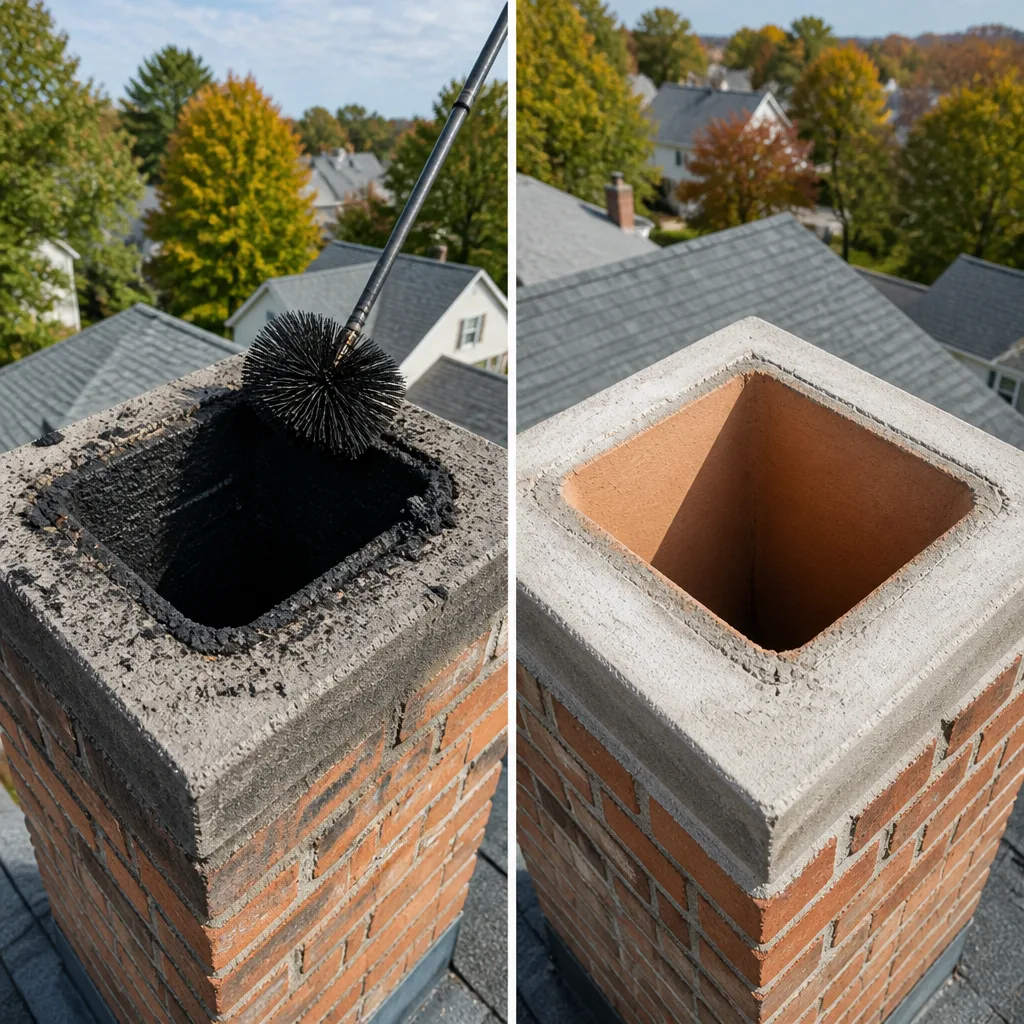 Sweep & inspection
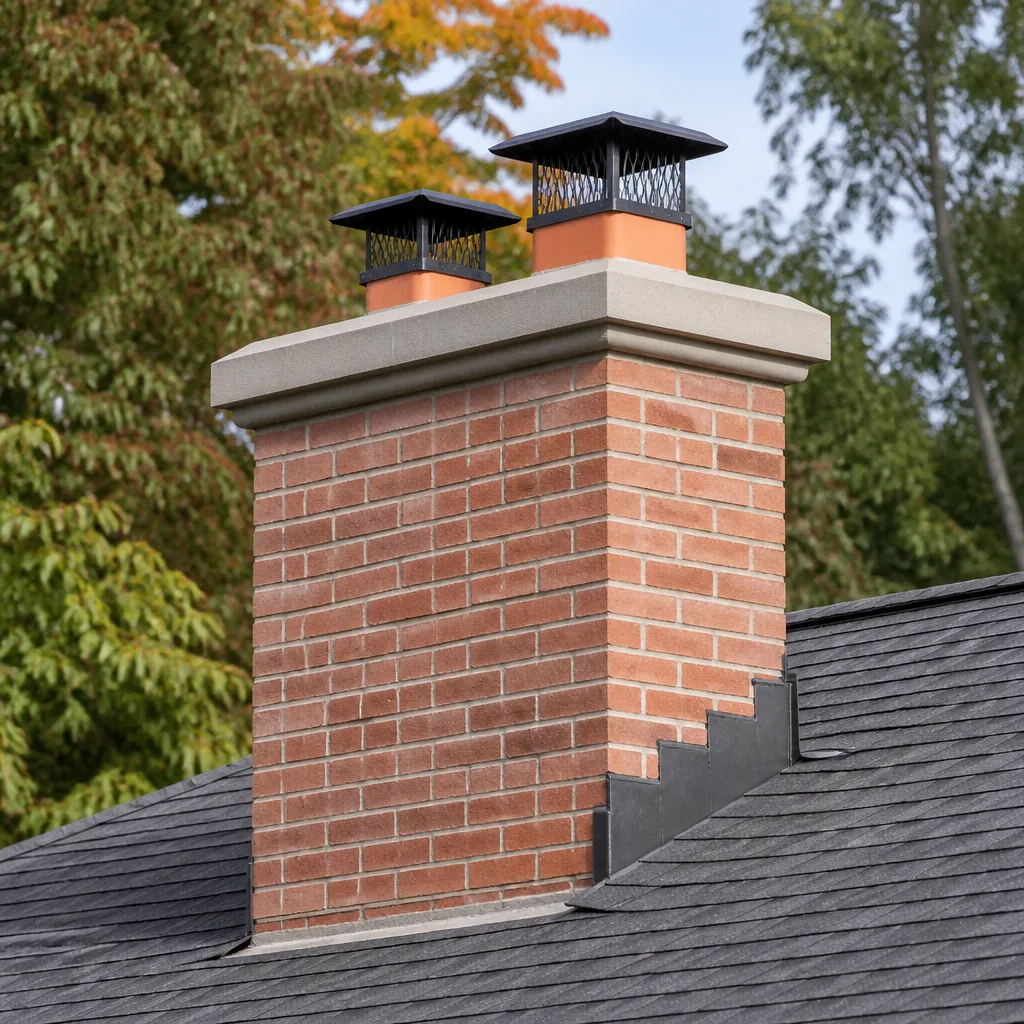 Caps & crowns
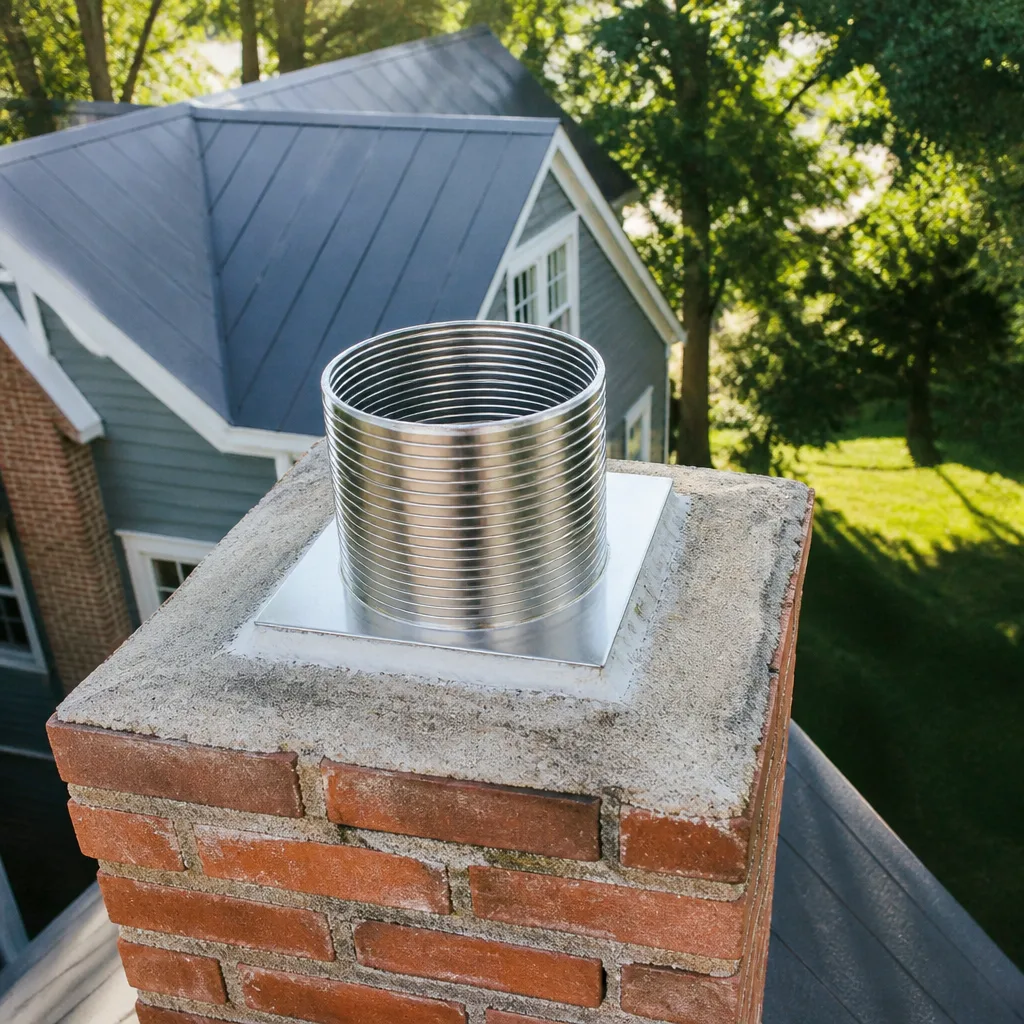 Flue relining
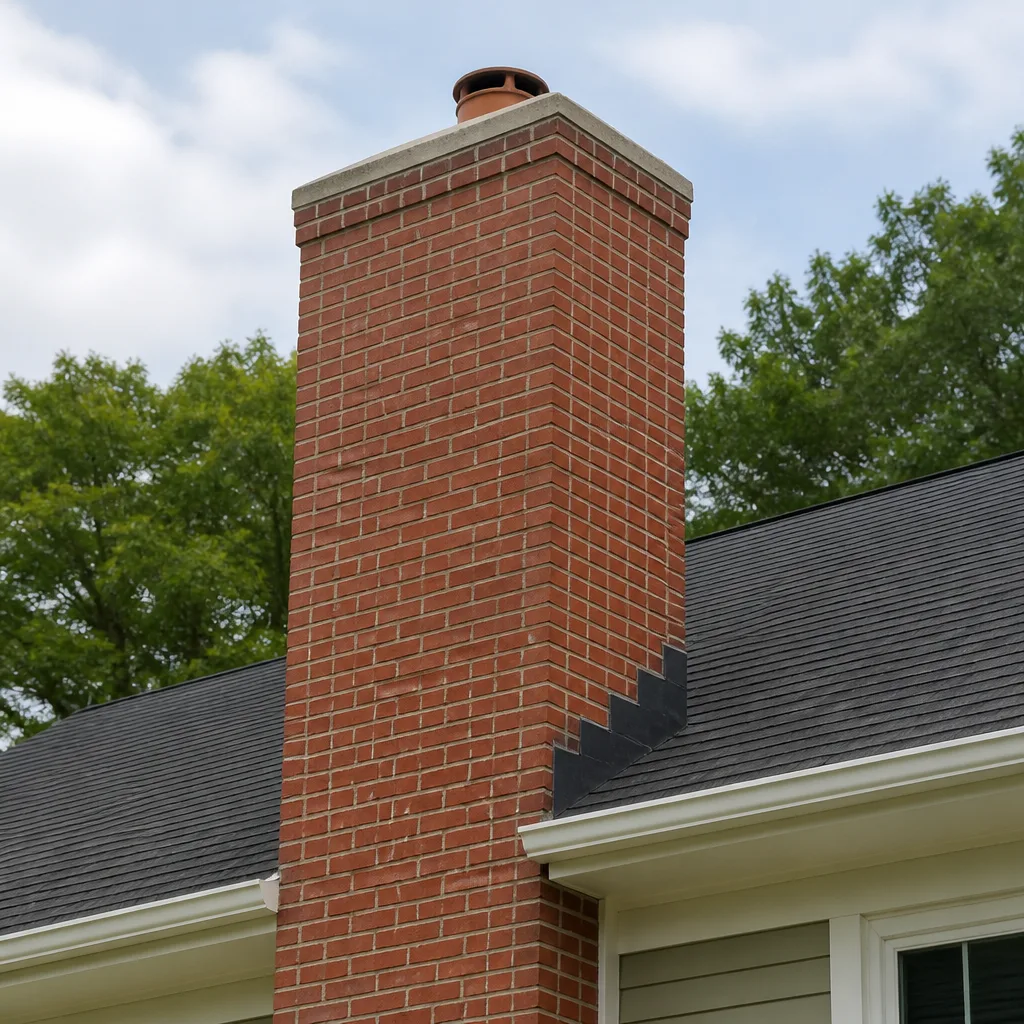 Masonry repair
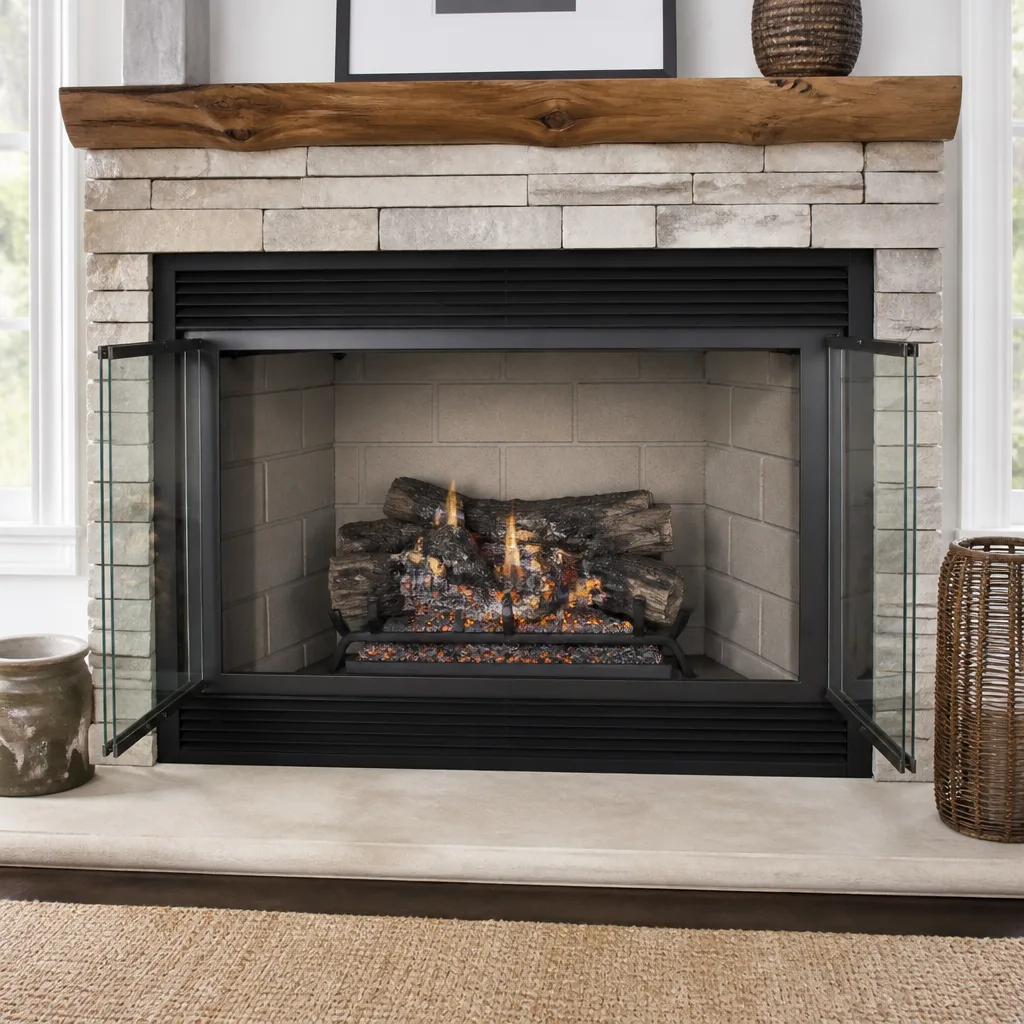 Gas fireplace service
Level 1 sweep and inspection to the NFPA 211 annual standard - flue, crown, cap, and flashing checked and photographed
Chimney sweep logs do not sweep chimneys. They loosen some creosote - which then falls where a brush and vacuum still have to collect it.
The Complete Guide to Chimney Cleaning in Black Rock
Most chimney fires we’re called to assess don’t happen because a homeowner ignored the chimney for years. They happen because the homeowner did book a cleaning, believed the chimney was handled, and never learned that the technician swept the firebox and the visible flue and left the rest of the system untouched. A cleaning that stops at the smoke chamber is not a cleaning. It’s a sweep of the part you can see from the living room.
This guide maps what a real chimney cleaning in Black Rock involves, from the three stages of creosote through the liner types common in this neighborhood’s housing stock, and it tells you exactly how to verify the work before the technician pulls out of your driveway.
Quick Answer
A proper chimney cleaning in Black Rock removes creosote and soot from the entire flue, not just the firebox, and should always include a visual inspection of the liner, smoke chamber, crown, and cap. How often you need one depends on how much you burn and what you burn, but an annual cleaning paired with an inspection is the standard baseline for any wood-burning fireplace in Western New York. If your technician never looks up the flue with a camera or a light, the job isn’t finished.
Styles & brands we work with
- Sweep & inspection
- Caps & crowns
- Flue relining
- Masonry repair
- Gas fireplace service
Table of Contents
- How Creosote Forms in Three Stages (And Why Brushing Alone Won’t Fix Stage Three)
- Liner Types Common in Black Rock Housing and How Cleaning Differs
- Why a Post-Winter Inspection Belongs in Every Cleaning Appointment
- Level 1 vs. Level 2 Inspections: What Each Covers
- How to Verify the Cleaning Was Done Correctly
- Wood, Gas, and Pellet: Cleaning Protocols by Fuel
- Common Mistakes to Avoid
How Creosote Forms in Three Stages (And Why Brushing Alone Won’t Fix Stage Three)
Creosote is the residue left behind when wood smoke cools against the flue walls, and it doesn’t arrive all at once. It builds in stages, and each stage demands a different response. Understanding the difference matters because a cleaning method that works on stage one is useless against stage three.
Stage one: soot and light flaky deposits. This is the dust-like residue that looks like black paper ash. It brushes off easily with a standard flue brush. Most routine annual cleanings deal with stage one deposits and that’s exactly what they’re designed for.
Stage two: hardened crust. As deposits accumulate, they compact into a brittle, crusty layer that clings to the flue. A brush still removes it, but it takes more passes and firmer pressure. This is where a technician who rushes the job leaves patches behind, and those patches become the seed for stage three.
Stage three: glazed, tar-like creosote. When flue temperatures stay low and smoke lingers, creosote bakes into a shiny, hardened glaze. It’s the most flammable stage and the hardest to remove. Brushing will skip right over it. Stage three requires chemical treatment to soften the glaze before mechanical removal, which is why a technician who shows up with a brush and nothing else cannot properly clean a glazed flue.
If your chimney is at stage three, we use HeatShield or equivalent professional-grade treatment protocols to break down the glaze and restore the flue surface. This is part of the process, not an upsell – and a reputable technician will show you the glazed section on camera before recommending anything.
Liner Types Common in Black Rock Housing and How Cleaning Differs
Black Rock is an old Buffalo neighborhood, and the housing stock reflects it: brick colonials and two-flats from the early 1900s through the 1950s, many with original masonry chimneys that have been retrofitted over the decades. What’s inside the flue varies from house to house, and the cleaning protocol has to match.
Clay tile liners
Clay tile is what most Black Rock chimneys were built with. It’s durable but brittle. Freeze-thaw cycles crack tile joints, and a brush used with too much force against a cracked tile can cause a spall or a joint failure. A technician cleaning a clay-tile flue should inspect joints on camera before and after the sweep.
Cast-in-place liners
Cast-in-place systems – poured refractory material formed inside the original flue – show up in homes that were relined during a past renovation. These are smooth-bore and generally easier to clean, but they can hairline-crack. A crack in a cast-in-place liner is a carbon monoxide pathway, and it’s not visible without a camera.
Flexible stainless liners
Flex liners, including DuraFlex systems, are installed in chimneys that were relined or that have offset or irregular flue paths. They’re the most forgiving liner to clean and the most common upgrade in older Black Rock homes. The cleaning approach is similar to cast-in-place, but the technician needs to confirm that the liner wasn’t kinked or crushed during original installation, since a kink traps creosote in a way a brush can’t reach.
We work with a curated set of professional-grade liner materials – DuraFlex, HeatShield, Olympia Chimney, Gelco, Famco, and Copperfield – because the liner inside your chimney is not the place to save on materials, and the same brands specified by certified chimney engineers are not stocked at the hardware store.
Why a Post-Winter Inspection Belongs in Every Cleaning Appointment
Western New York’s freeze-thaw cycle is relentless on masonry, and Black Rock sits right in it. Water gets into mortar joints and hairline cracks during a thaw, freezes overnight, expands, and opens the crack a little wider. Repeat that cycle over one winter and a hairline becomes a failure point. Chimney problems in this climate don’t announce themselves – they show up as a cracked crown in spring, a shifted tile in July, and a water-stained ceiling by October.
That’s why we recommend a post-winter inspection whenever a Black Rock homeowner books a cleaning in late winter or early spring. The cleaning removes what accumulated during burning season. The inspection checks what winter did to the structure around it. The two belong together.
What a post-winter check should look at:
- The crown – the cement cap at the top of the chimney – for cracks or spalling
- The chimney cap and its screen for rust, loosened fasteners, or animal intrusion
- Mortar joints on the exterior stack, especially on the north and west faces
- Flashing where the chimney meets the roofline, a common leak point after a thaw
- The firebox and damper for water intrusion or rust
Cracked crowns and missing caps are the two most common sources of water intrusion we see on Black Rock chimneys. Water in a flue is not cosmetic – it degrades the liner and starts the cycle of masonry damage that gets more expensive with every winter. Fixing a chimney cap & crown in spring is a fraction of the cost of a liner replacement in fall.
Level 1 vs. Level 2 Inspections: What Each Covers
A chimney inspection is not a single thing. The industry recognizes three levels, and the level you need depends on what’s changed since the last inspection. Here’s how the first two compare, because those are the ones most Black Rock homeowners will encounter.
Level 1 inspection. This is a visual check of the readily accessible portions of the chimney and firebox, done without tools that alter or open the structure. It’s what you get during a routine annual cleaning when nothing has changed and the system is operating normally. No camera, no dismantling.
Level 2 inspection. This is the full assessment. It includes everything in Level 1 plus a camera inspection of the flue interior, and a look at accessible areas of the attic, crawlspace, and chimney exterior. A Level 2 is the right call when:
- The home has changed hands since the last inspection (most sales require it)
- The fuel type or appliance has changed (for example, switching from wood to gas or installing a new insert)
- There’s been a chimney fire, even a small one, whether or not you realized it at the time
- You’re noticing performance changes – smoke backing into the room, a weaker draft, or visible water staining
- An earthquake, severe storm, or major renovation has affected the chimney’s structural environment
In practice, a Level 1 inspection during a routine chimney sweep in Black Rock often surfaces something that warrants a Level 2. That’s not a problem – it’s the point of getting a proper look. We treat inspection as a standalone service because homeowners deserve an honest assessment before committing to repair work, and the same company that finds the problem should be the one you can hire to fix it.
How to Verify the Cleaning Was Done Correctly
Most homeowners can’t tell a complete cleaning from an incomplete one because both end with a cleaner-looking firebox. The verification has to happen before the technician leaves, and it takes about five minutes. Ask these questions and expect specific answers.
- Ask to see the before-and-after camera footage. A proper cleaning includes an interior look at the flue before brushing and a scan afterward. If there’s no camera, it’s a visual-only job, and that’s not enough for a liner assessment.
- Ask which parts of the system were cleaned. The correct answer includes the firebox, damper, smoke chamber, and the full length of the flue. If the answer stops at the firebox, ask why the flue wasn’t reached.
- Ask whether creosote above stage one was found. If it was, ask what was done about it. The answer should be specific to treatment and removal, not just brushing.
- Look at the chimney cap and crown yourself. A cap that’s become loose, rusted, or missing its screen is a sign the technician didn’t check the exterior.
- Ask for a written report. A proper inspection produces documentation – photos, notes on condition, and observations about the crown, cap, flashing, and liner. If nothing is written down, the inspection wasn’t an inspection.
- Ask about anything that looked borderline. A technician who tells you the flue looked fine across the board is either lucky or not looking. Ask specifically about joint condition and any hairline cracks – those are the things to watch.
If any of those questions get a vague answer, you’re not getting a cleaning – you’re getting a brush and a receipt. A credible technician will document what they found, show you the photos, and tell you plainly what can wait and what shouldn’t.
Wood, Gas, and Pellet: Cleaning Protocols by Fuel
Chimney cleaning frequency and method shift with the fuel because each type leaves a different residue. Here’s how the three common fuel types compare for a Black Rock homeowner.
Wood-burning fireplaces
Wood is the fuel that produces significant creosote, so it’s the one that most needs annual attention. The industry baseline is a cleaning whenever a quarter-inch of deposits has built up, or once a year as a floor. If you burn regularly through the heating season, plan the cleaning for the shoulder season after you’ve stopped burning – late winter or early spring, when a post-winter inspection makes sense at the same time.
Gas fireplaces
Gas doesn’t produce creosote, but it does produce a different problem: gas appliances vent moisture and slightly acidic exhaust that can degrade a masonry flue over time. Gas fireplace chimneys still need an annual inspection to check for liner deterioration and proper venting, and the firebox and venting system should be cleaned of dust, spider webs, and debris once a year. A gas fireplace with an original masonry flue is a case where inspection matters more than cleaning – the flue is degrading in a way you can’t see.
Pellet stoves
Pellet stoves produce fly ash rather than creosote, and the cleaning focus shifts to the vent and the appliance itself. Pellet vent needs brushing on a schedule that matches your burn rate, and the appliance has its own service requirements. If your Black Rock home heats with a pellet appliance, ask for a vent cleaning as part of the appointment and confirm the vent type before booking.
If you’re not sure what you have, say so when you call. The first step is identifying the fuel, the liner, and the appliance, and that identification is part of what a proper inspection provides.
Common Mistakes to Avoid
These are the errors we see most often when we’re asked to assess a chimney that’s already been “cleaned.” Some of them are avoidable. All of them cost more to fix later.
- Assuming a firebox cleaning is a chimney cleaning. Many low-cost services sweep the visible firebox, vacuum up the ash, and leave the flue alone. The flue is where creosote accumulates and where fires start. Ask specifically which parts of the system were cleaned.
- Brushing over glazed creosote instead of treating it. A stage-three glaze won’t come off with a brush. If the technician finds a glaze and doesn’t apply chemical treatment before brushing, the glaze is still on your flue walls.
- Skipping the post-winter check. In Black Rock, the seasonal freeze-thaw cycle opens mortar joints and cracks crowns every winter. A cleaning without a look at the crown and cap misses the damage that leads to water intrusion and liner failure.
- Booking a cleaning without an inspection. Cleaning tells you what’s on the flue wall. Inspection tells you what the walls are doing. The two are different jobs, and one without the other leaves you without a full picture of the system.
- Assuming a new appliance means the chimney is fine. A new wood insert or gas fireplace may require a liner upgrade to vent properly. Before installation, the existing flue needs a Level 2 inspection. A new appliance in a deteriorating flue doesn’t make the flue safe.
- Waiting until the smoke backs up to book. A draft problem is the last symptom, not the first. By the time smoke enters the room, there’s usually a liner or flue obstruction that’s been building for months. Fixing a chimney problem early is much less expensive than fixing the fire it leads to.
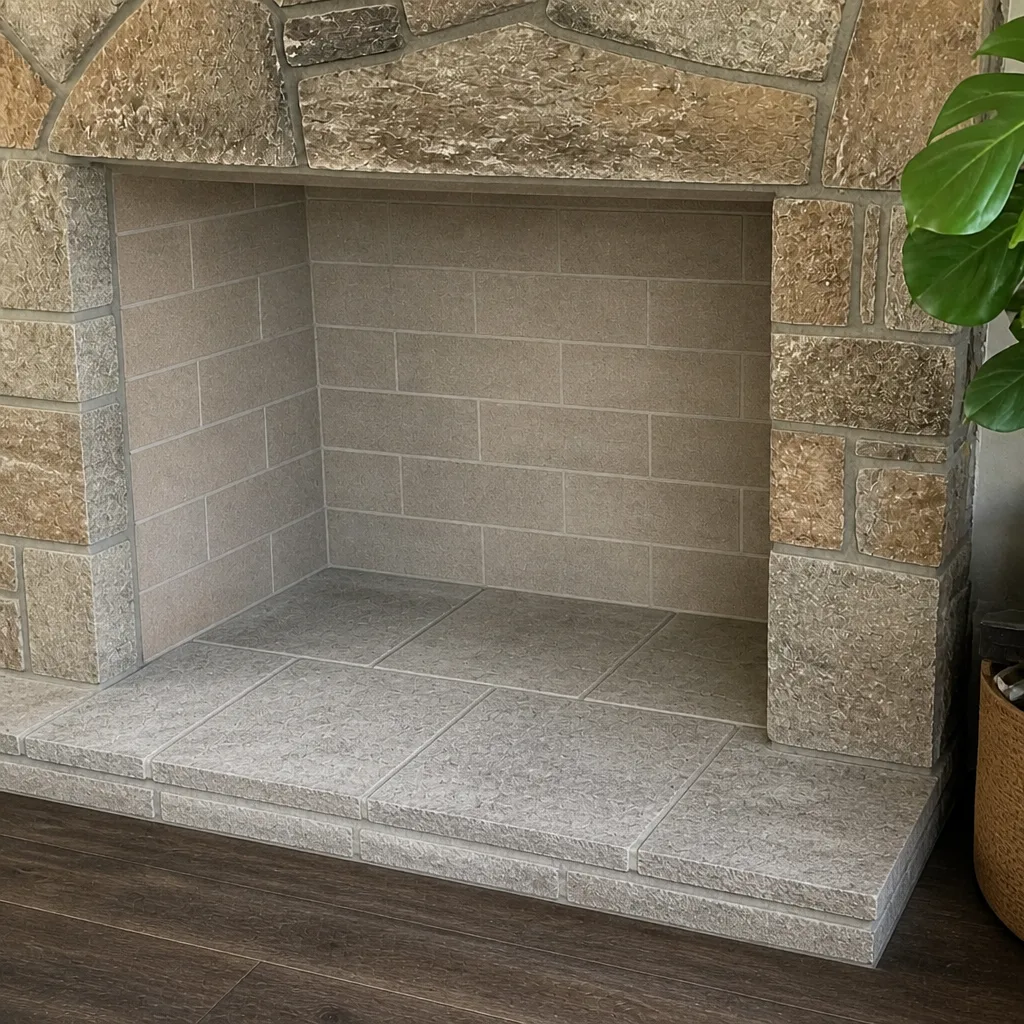
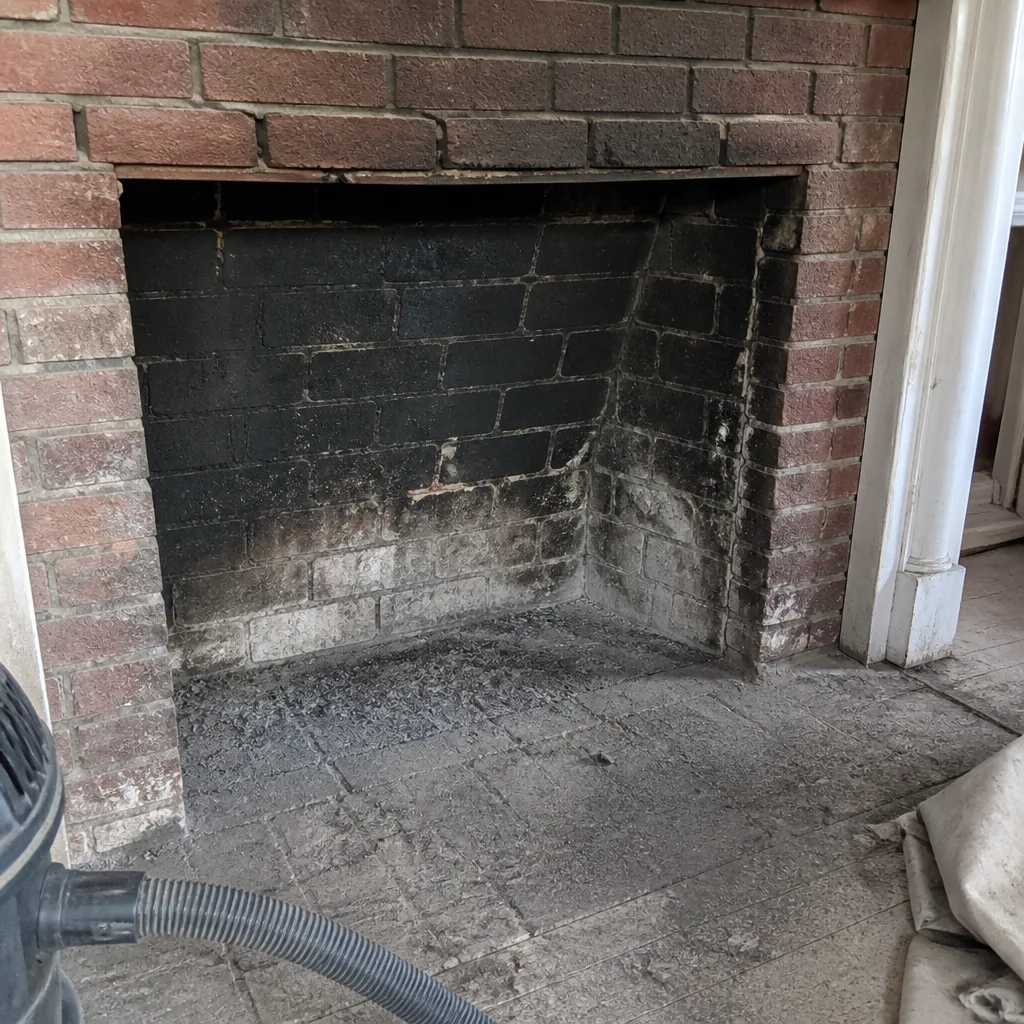
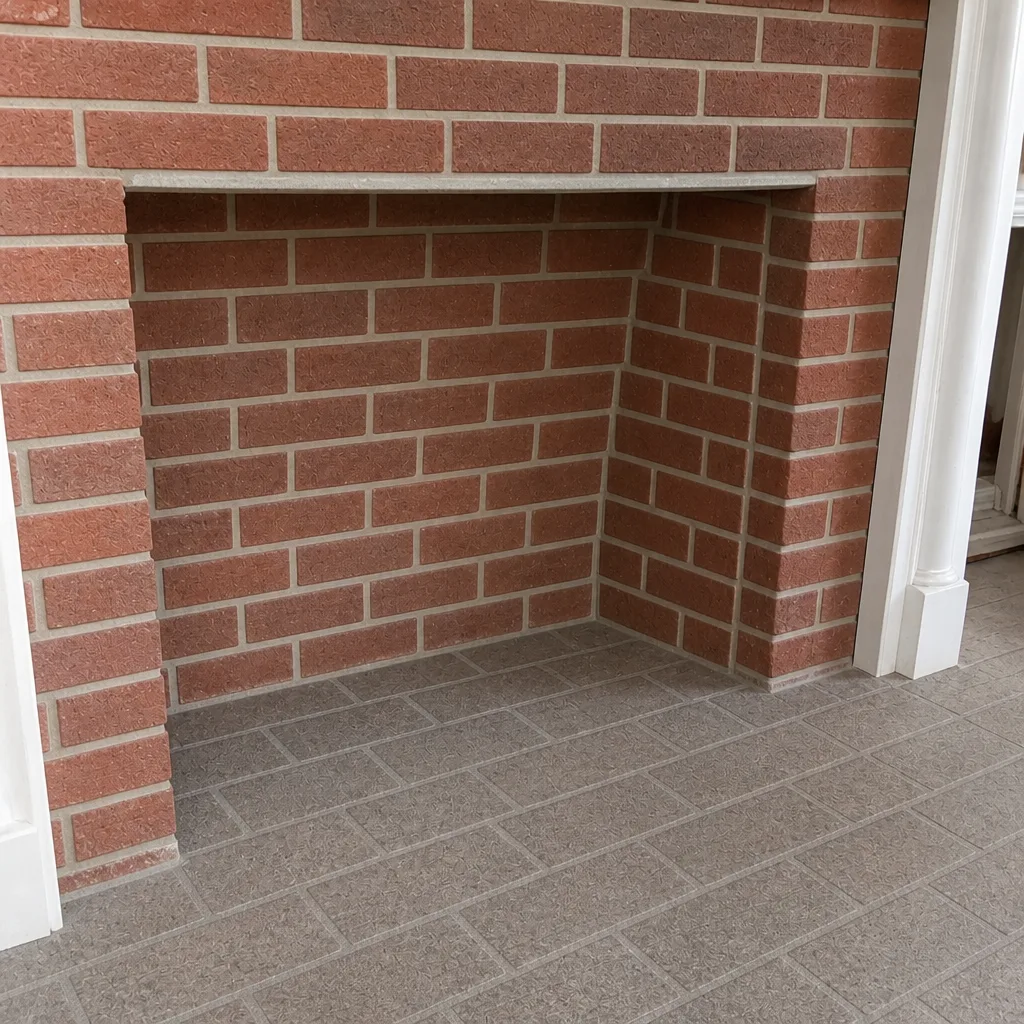
See the difference
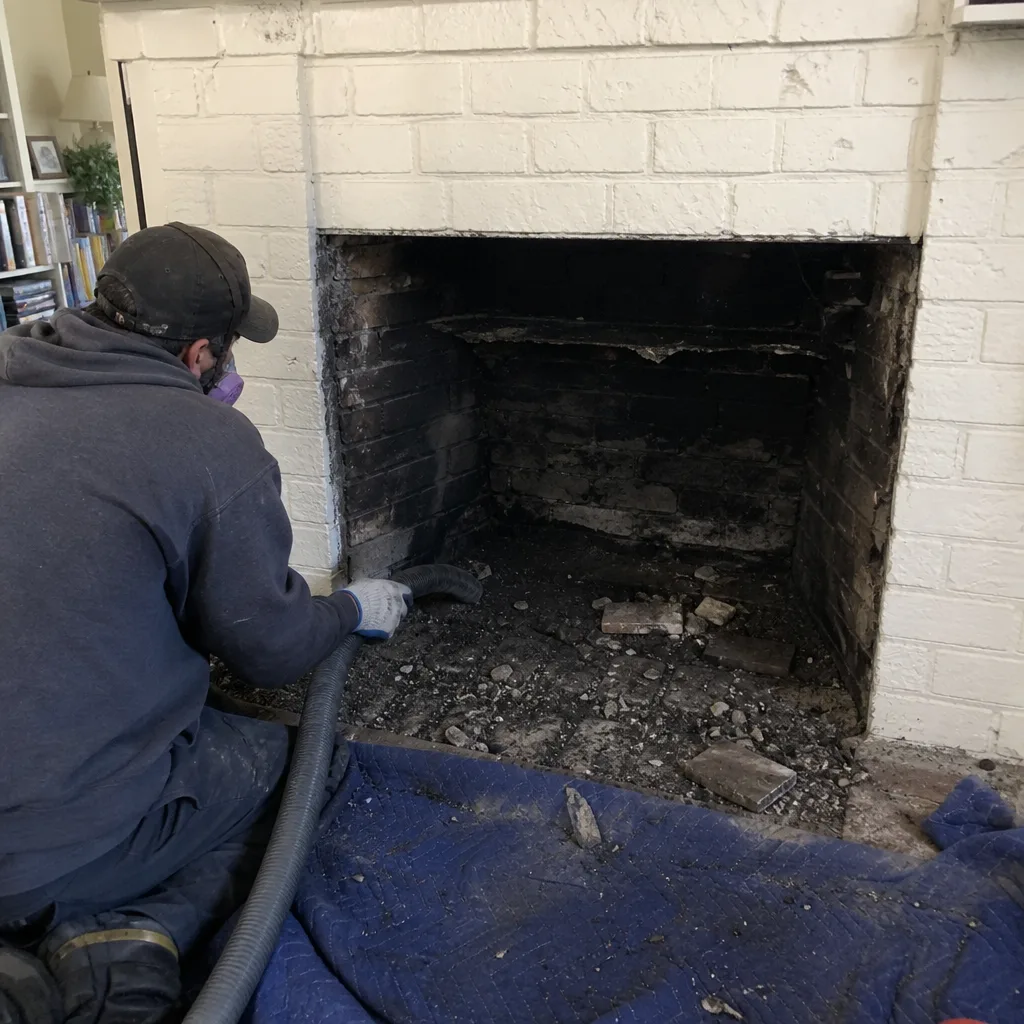 Before
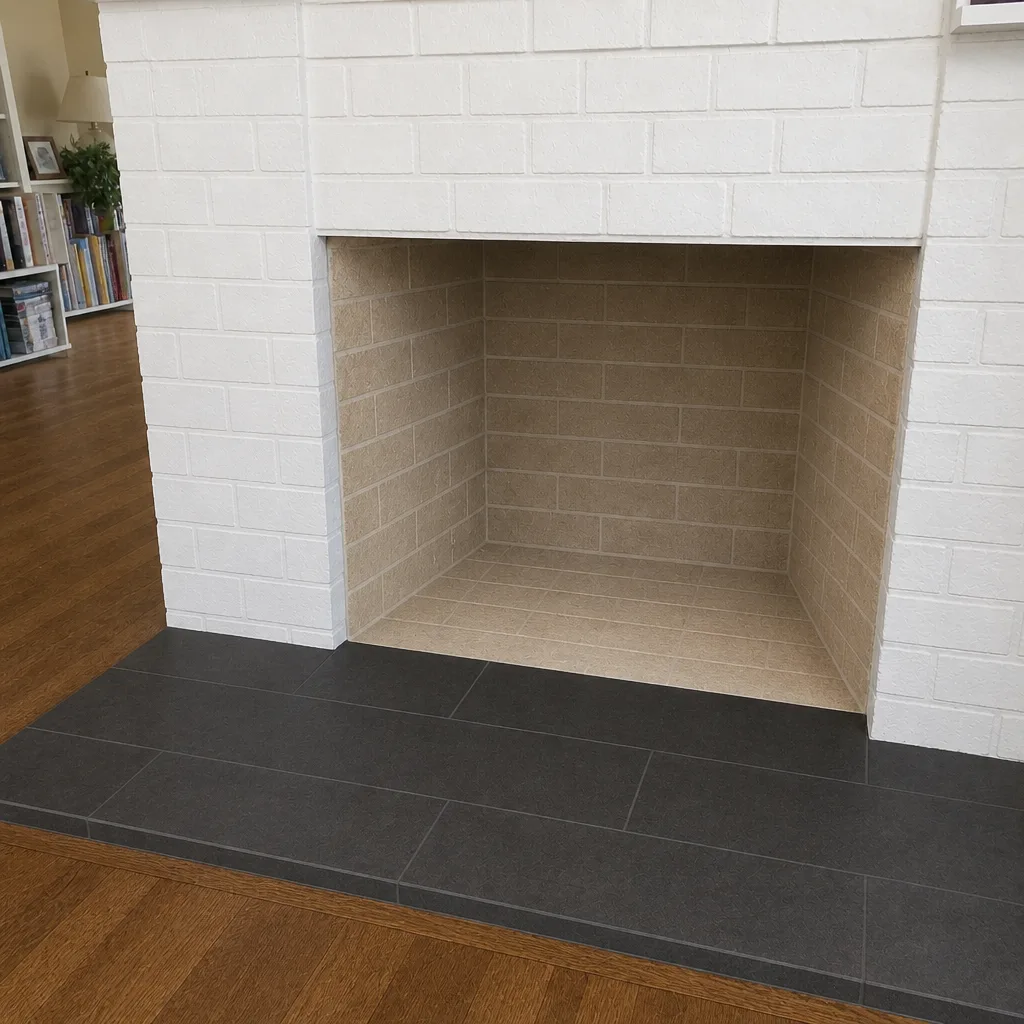 After
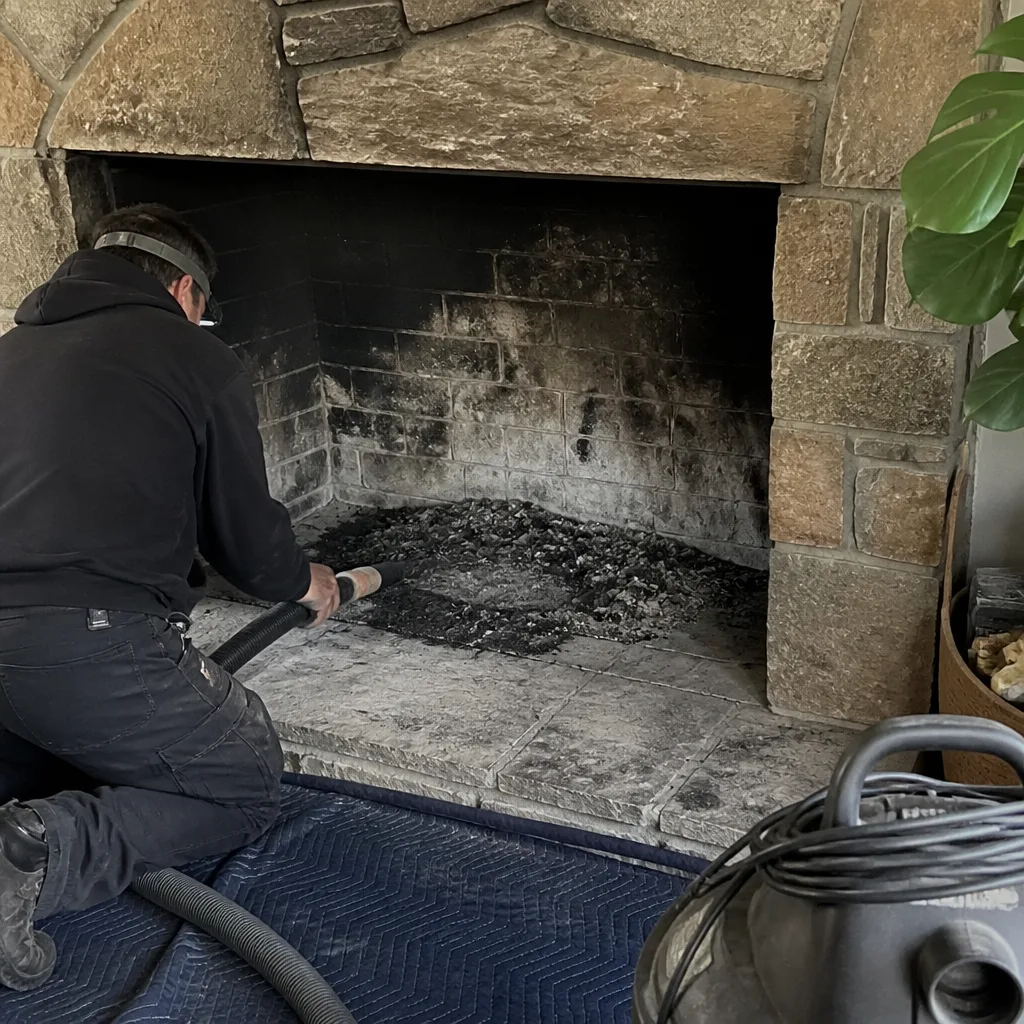 Before
 After
 Before
 After
When to Call a Professional
Some chimney work is fine to check on your own. But if any of the following is true in your Black Rock home, it’s time for a professional assessment.
You can’t remember the last time the chimney was cleaned. You’ve noticed smoke backing into the room, especially when you first light a fire. There’s a strong creosote smell even when the fireplace is cold. You’ve had a chimney fire – even a small one you put out yourself. You’ve noticed water staining on the ceiling, the firebox, or the exterior masonry. Your chimney cap is loose, rusted, or missing. You’re selling or buying a home. You’re installing a new appliance.
Any one of those is enough to justify a call. Chimney Sweep Black Rock offers free estimates in Black Rock – call (877) 792-7321. We answer 24/7. Fast dispatch from 7am to 7pm, Sunday through Friday.
Frequently Asked Questions
Chimney cleaning in Black Rock is priced per job by a written estimate, and the estimate is free. The price depends on the fuel type, the liner, how much creosote has accumulated, and whether the cleaning is bundled with an inspection – and we set the price in writing before any work begins so there’s nothing on the invoice you didn’t agree to. Call (877) 792-7321 for an exact quote – estimates are free.
Once a year for a wood-burning fireplace, or whenever a quarter-inch of creosote has built up, whichever comes first. Gas appliances need an annual inspection even though they don’t produce creosote. A wood fireplace that gets used hard may need a cleaning more than once a year. Call (877) 792-7321 to schedule a sweep and we’ll help you judge the right interval for your setup.
Creosote continues to build in stages, and each stage is more flammable and harder to remove than the last. A neglected flue can glaze to stage three, which requires chemical treatment before the creosote can even be brushed off. A cracked crown left through a Black Rock winter turns into a liner problem the following season. Chimney problems do not get cheaper with time. Call (877) 792-7321 before the problem compounds.
A sweep removes creosote and soot from the system. An inspection evaluates the condition of the liner, crown, cap, firebox, and surrounding masonry. A Level 1 inspection is visual-only. A Level 2 adds a camera check of the flue and the accessible attic and exterior. A proper service call typically includes both a sweep and at least a Level 1 inspection, and we offer inspection as a standalone service when a homeowner wants an assessment before committing to any repair. Call (877) 792-7321 to book either.
Not if the flue has stage-two or stage-three creosote. Brushing handles stage one and most stage two deposits, but a glazed flue needs chemical treatment to break down the glaze before it can be removed. A technician who shows up with a brush and no camera also can’t confirm the cleaning’s effect or spot a liner crack. Our technicians have up to 8 years of experience, and we work with professional-grade materials – HeatShield and DuraFlex among them – that are specified by chimney engineers, not stocked at the hardware store. Call (877) 792-7321 for a cleaning that includes the full assessment.
Not every deteriorating flue needs a full liner replacement. HeatShield resurfacing can restore a flue that’s lost its original face without the cost and disruption of a full reline, and we assess whether resurfacing is appropriate before recommending it. If a DuraFlex flexible liner is the better answer – for an offset flue or a cast-in-place system beyond repair – we install that as well. Nothing is recommended without camera evidence you can see for yourself, and we say plainly when a repair can safely wait. Call (877) 792-7321 for an honest assessment.
The Bottom Line
A chimney cleaning only does its job if it covers the whole system. That means the firebox, the damper, the smoke chamber, and the full length of the flue – and it means looking at what the flue is made of, because clay tile, cast-in-place, and flexible liner each age and clean differently. In Black Rock, the freeze-thaw cycle makes a post-winter inspection part of any cleaning worth booking. And the way to know the job was done is to ask for the camera footage and the written report before anyone leaves. If those come back clean, you’re done for the year. If they don’t, you know exactly what you’re dealing with, and you can decide what to fix and when. Call (877) 792-7321 for a free estimate. We answer 24/7. Fast dispatch from 7am to 7pm, Sunday through Friday.
Written by the team at Chimney Sweep Black Rock.