
Last updated November 24, 2026
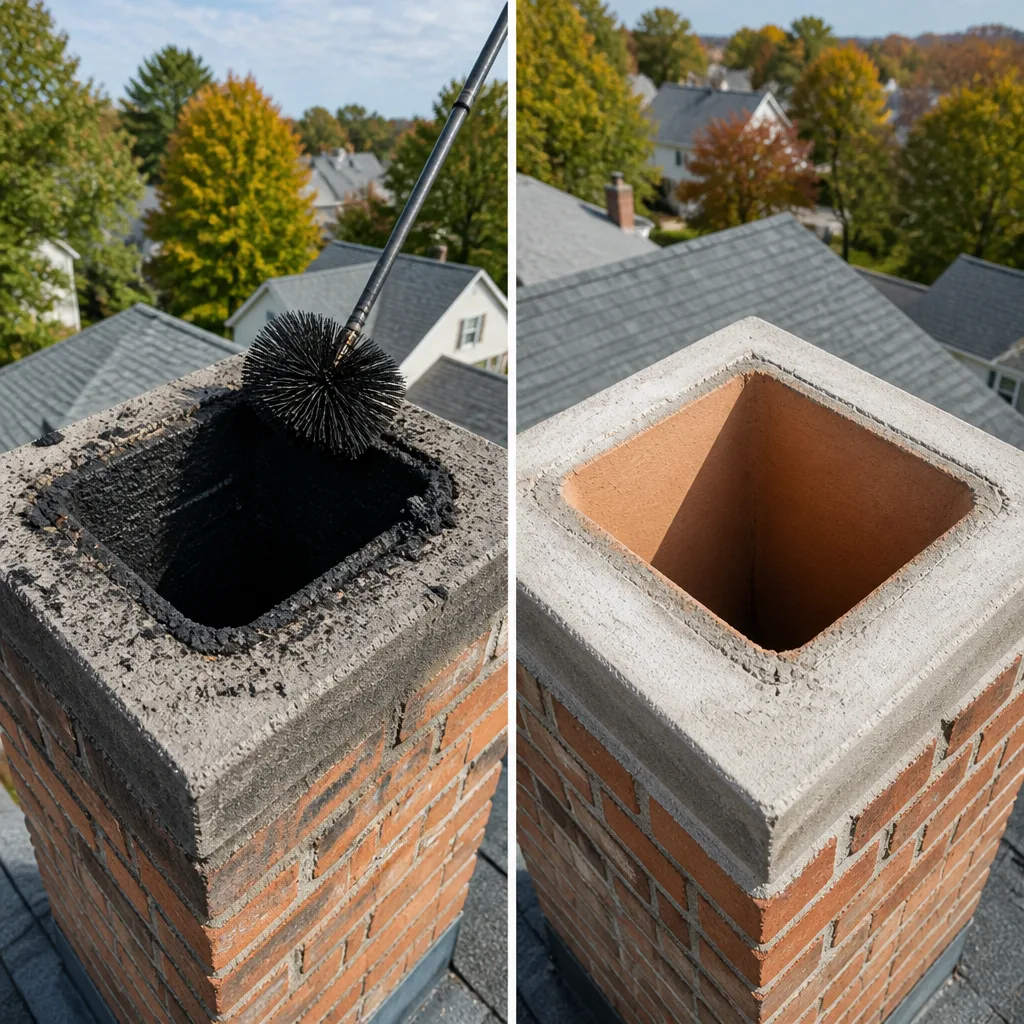 Sweep & inspection
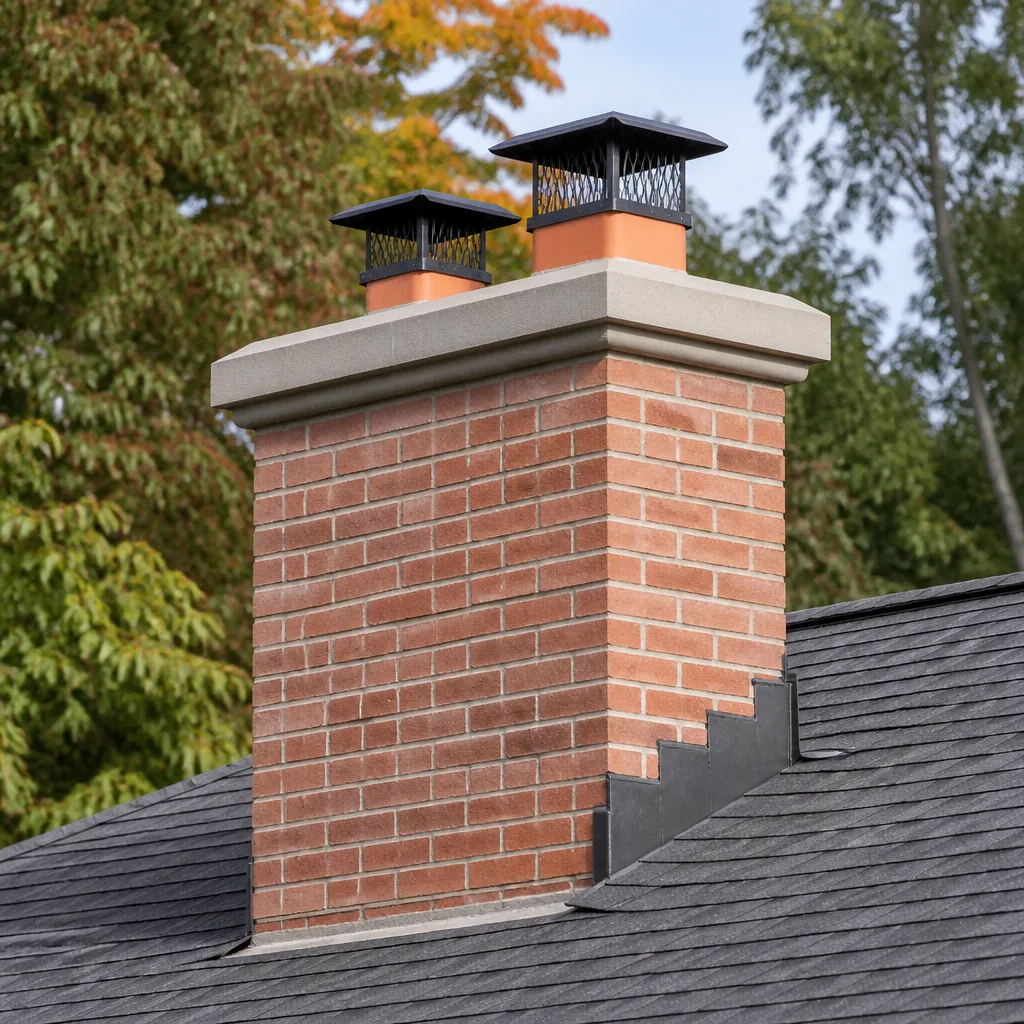 Caps & crowns
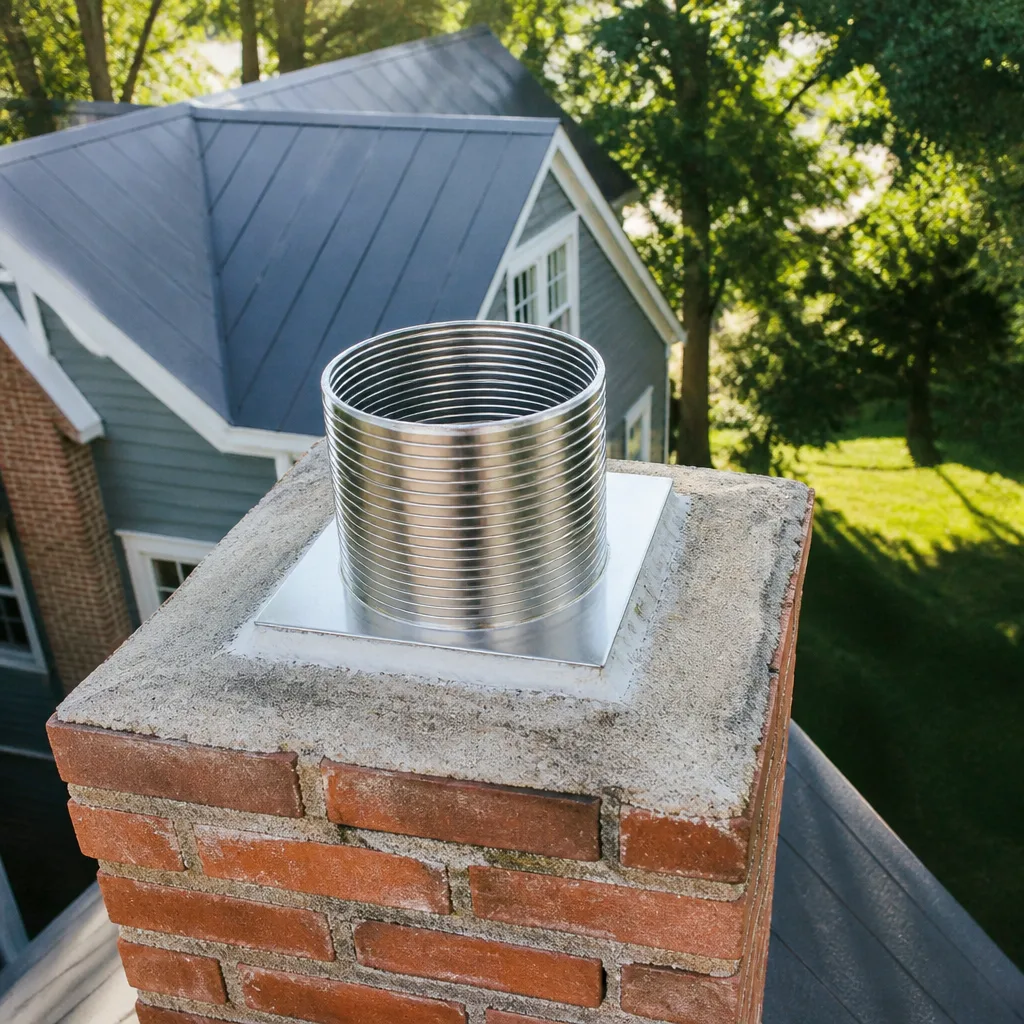 Flue relining
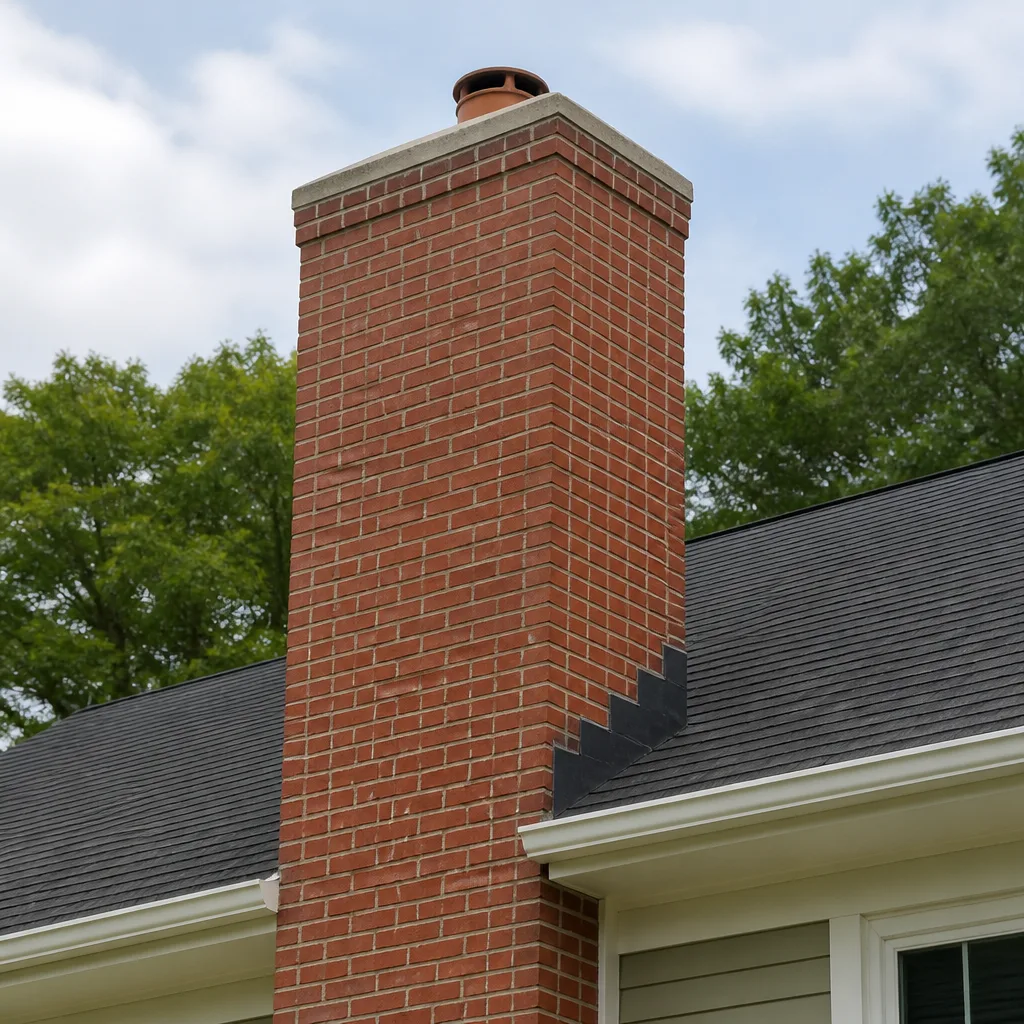 Masonry repair
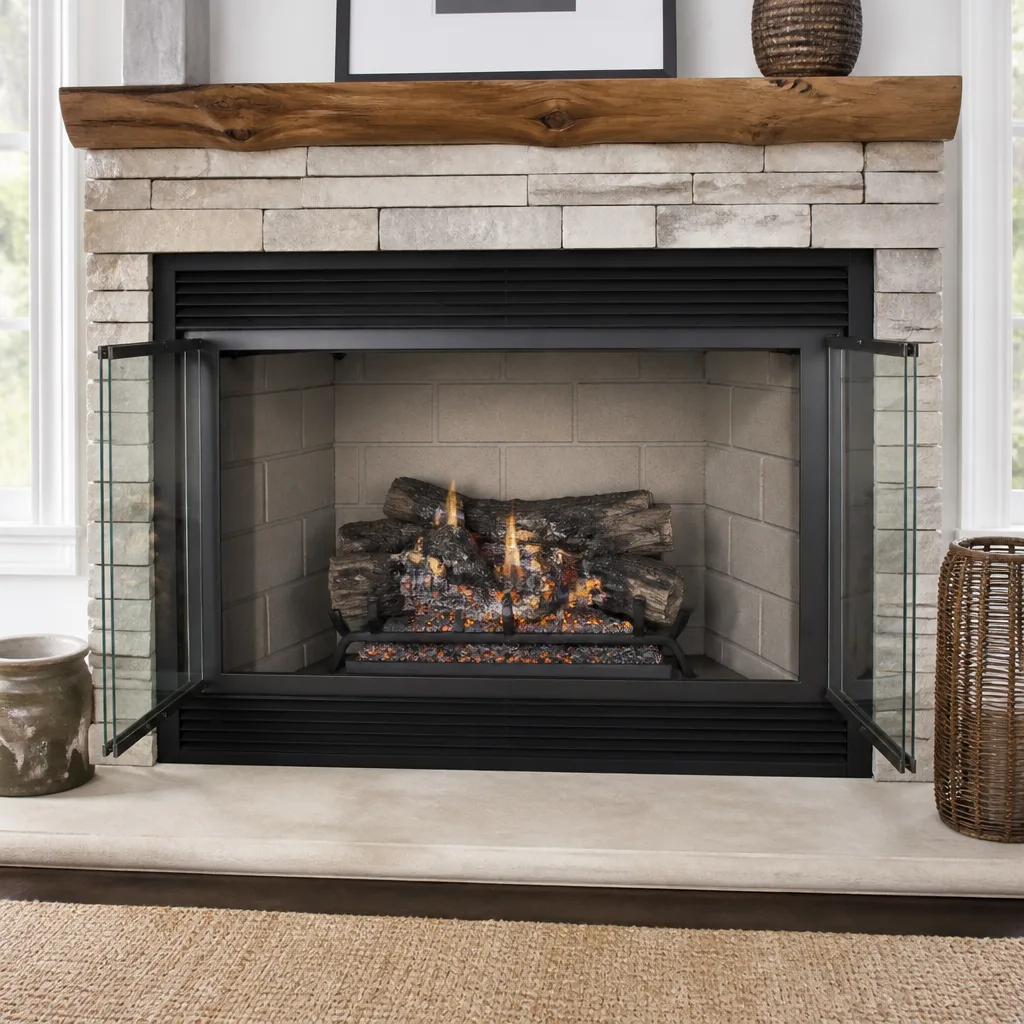 Gas fireplace service
Level 1 sweep and inspection to the NFPA 211 annual standard - flue, crown, cap, and flashing checked and photographed
Chimney sweep logs do not sweep chimneys. They loosen some creosote - which then falls where a brush and vacuum still have to collect it.
How to Hire a Chimney Cleaning Contractor in Black Rock: A Step-by-Step Guide
Most homeowners in Black Rock think the hard part is finding someone who’ll show up and run a brush up the flue. The hard part is finding someone who can tell you what that brush finds and fix it correctly. Plenty of general handymen and HVAC companies in this area list chimney sweeping as a secondary service on the side. From the outside, their vans, their websites, and their prices look identical to a dedicated chimney specialist’s. You can’t tell them apart by looking, which is why you have to ask specific questions and check specific credentials before you hand anyone your money. This guide walks you through the exact steps, questions, and red flags that separate a real chimney specialist from a dabbler, with Black Rock’s particular housing stock and climate in mind.
Quick Answer
To hire a chimney cleaning contractor in Black Rock, verify CSIA or equivalent certification, confirm the company does chimney work exclusively rather than as a sideline, ask them to name the liner materials and brands they install, check that their insurance actually covers chimney work, and insist on a written scope of work before you compare bids. The lowest price usually means the narrowest scope, not the best value.
Styles & brands we work with
- Sweep & inspection
- Caps & crowns
- Flue relining
- Masonry repair
- Gas fireplace service
Table of Contents
- Why Hiring a Chimney Contractor in Black Rock Is Harder Than It Looks
- Understanding CSIA, NFI, and NICET: What Each Credential Actually Qualifies
- Five Questions That Reveal Whether a Contractor Is a Specialist
- Build a Scope of Work Before You Get Quotes
- What Real Chimney Insurance Coverage Looks Like
- Red Flags in Quotes and Contracts
- A Step-by-Step Hiring Process for Black Rock Homeowners
- Why the Brands a Contractor Stocks Tell You Everything
Why Hiring a Chimney Contractor in Black Rock Is Harder Than It Looks
Black Rock is an old, established neighborhood, and that matters for your chimney in ways it wouldn’t in a newer subdivision. The houses here tend to be older, and older masonry chimneys don’t have the uniform, straight flues you’ll find in new construction. They have offsets, they have original clay tiles that have taken decades of thermal cycling, and they have crowns and caps that have weathered many hard freeze-thaw winters coming off the water and the river valley. A chimney in Black Rock that’s been through your typical local winter has had its masonry flex, shift, and crack in ways a chimney in a milder climate simply hasn’t.
That’s the first layer of difficulty. The second, and bigger, layer is who’s actually doing the work. In and around Black Rock, the market is full of companies where chimney sweeping is an add-on. An HVAC outfit that services furnaces might send the same technician out to sweep your flue. A general handyman will happily tell you they “do chimneys.” Some of them aren’t dishonest. They just don’t have the depth to recognize what they’re looking at, and their scope ends at the brush.
The result is a frustrating gap. The person who inspects your chimney often isn’t the person equipped to repair what they find. You get an inspection from one company, a quote for liner work from another, and a mason for the crown from a third. When something goes wrong six months later, everyone points at everyone else. That’s why hiring carefully up front protects you from more than a bad sweep. It protects you from the blame-shifting that comes with splitting a job across contractors who never talk to each other.
We’ve spent enough time inside Black Rock chimneys to know the pattern. A full-spectrum specialist handles the inspection, the sweep, and the repair under one roof, and the same company owns the outcome from first look to final fix. That should be your target from the start of this search.
Understanding CSIA, NFI, and NICET: What Each Credential Actually Qualifies
Certification is where a lot of homeowners stop looking, and that’s a mistake. Certification is a floor, not a ceiling. Three acronyms come up constantly in this trade, and they don’t mean the same thing:
- CSIA (Chimney Safety Institute of America) – a certification focused on chimney sweeping and inspection practice. It tells you a technician has demonstrated core knowledge of how to sweep, inspect, and evaluate a chimney safely. It’s the credential you most want to see on whoever touches your flue, and it’s the most common. It’s also the one that a part-time sweep can hold while still operating without the materials or equipment to repair anything they find.
- NFI (National Fireplace Institute) – certification centered on hearth appliances: wood stoves, gas fireplaces, and how they’re installed and vented. Valuable when your question is about the appliance and its connection to the flue, rather than the flue itself.
- NICET (National Institute for Certification in Engineering Technologies) – a broader engineering-technologies certification track. When a technician holds a chimney-related NICET credential, it usually signals a deeper technical grounding in the structural and venting side of the trade.
Here’s the practical takeaway. A CSIA certificate proves a technician is qualified to sweep and inspect. It does not prove the company stocks proper liner materials, knows how to specify a refractory repair, or can install a crown correctly. Plenty of certified technicians are still generalists. What you want is certification plus evidence that the company carries professional-grade materials and has the capability to do the repair work the inspection reveals.
When you call a contractor in Black Rock, ask which credentials the technicians hold, then ask a follow-up: “If you find a damaged liner, what do you do?” A specialist answers with specifics and names the products they install. A side-service provider says “we’ll quote you” and means “we’ll refer you.”
Five Questions That Reveal Whether a Contractor Is a Specialist
The fastest way to separate a dedicated chimney company from a generalist is to ask questions a generalist can’t answer comfortably. Here are the five we’d ask every contractor before they set foot in your house:
- “Do you do chimney work exclusively, or is it one of several services?” A company built around chimneys will tell you exactly what that means: inspection, sweeping, caps, crowns, liners, firebox repair. A generalist will list their other trades and get vague about chimneys. Neither answer is a lie. Both tell you what you need to know.
- “Which liner materials and brands do you install?” This is the tell. A specialist installs product they can name and specify. We work with professional-grade materials like DuraFlex, HeatShield, and Olympia Chimney, the kind specified by chimney engineers rather than bought off the hardware store shelf. A contractor who answers “whatever the supplier has” or names a big-box product is telling you their depth ends at the sweep.
- “How do you handle a flue that’s deteriorated but doesn’t need full replacement?” The answer you want involves restorative options. HeatShield resurfacing, for instance, can restore a deteriorating flue without the cost and disruption of tearing out and replacing the whole liner. A technician who only knows “replace the liner” or “call a mason” hasn’t invested in the capability.
- “Can you install a cap and repair a crown, or do you subcontract that?” Caps and crowns are the most common sources of water intrusion and long-term structural damage, and they shouldn’t be an afterthought. A full-scope specialist handles chimney cap & crown work directly.
- “Who repairs what you find, and who’s accountable if it fails?” The specialist answer is “we do, and us.” That single point of accountability is worth more than the difference in any quote.
Ask these over the phone before booking. How a contractor answers these five tells you almost everything about whether you’re getting a chimney sweep or a generalist’s sideline.
Build a Scope of Work Before You Get Quotes
Most homeowners do this backwards. They call three companies, collect three quotes, and pick the lowest one. That approach backfires in chimney work because the three quotes are almost never for the same work. One bid might cover a basic sweep. Another might include the sweep plus a camera inspection. A third might quietly scope in a crown repair while leaving the liner unspecified. Comparing them by dollar amount is meaningless because you’re comparing three different jobs.
The fix is to build a written scope of work first, then solicit bids against it. Here’s the order that works:
- Book an inspection as a standalone service. A chimney inspection is the first step, not the sweep, because it tells you what’s actually happening inside the flue before anyone decides what work is needed. You want an honest assessment you can act on before committing to repairs.
- Ask for a camera inspection and a written report. You want to see the inside of the flue for yourself, with a report that documents the condition of the liner, the crown, the cap, the firebox, and the surrounding masonry. Documented evidence is what turns a recommendation into a verifiable fact.
- Write down what needs doing and what can wait. A good inspector will separate urgent items from deferred ones. If a cracked crown can wait a season without letting water into the masonry, you should know that. If something is a genuine safety concern, you should know that too.
- Turn that list into a scope. Now you’re asking each bidder to quote the same defined work, in writing, with materials named. That’s when their prices become comparable.
- Compare line by line, not in total. A bid that names DuraFlex or Olympia Chimney and specifies the work item by item is a real quote. A bid that says “chimney repair” and a number is not.
Black Rock homes with older, offset flues especially benefit from this order. Offsets and aged configurations are exactly where scope gaps hide, because one contractor may not even look up the offset, let alone account for it in the bid. Building the scope first closes that gap before the money gets discussed.
What Real Chimney Insurance Coverage Looks Like
This is the step homeowners skip, and it’s the one that can cost them the most. Chimney work involves working at height, on roofs, and around combustible material, and it’s a category many general contractor liability policies handle differently or exclude outright. So “we’re fully insured” is not an answer. It’s a starting point for a follow-up question.
Here’s what to check before hiring anyone for chimney work in Black Rock:
- General liability, specifically covering chimney and roof work. Ask for a certificate of insurance and look at what it says. A policy that covers remodeling or landscaping may not cover a worker at height on your flue. Chimney work should be named or clearly within scope.
- Workers’ compensation. If someone is injured on your property and the company doesn’t carry workers’ comp, the exposure can shift toward you. Ask. A serious company answers without hesitation.
- Coverage limits that match the job. A flue fire that starts during sweeping, or a dropped cap that damages a roof, is a real exposure. The coverage should be meaningful, not a token policy.
- Confirmation that the people on your roof are covered. Some companies subcontract crews. If the crew on your roof isn’t the company you hired, whose insurance is behind them? Your written agreement should answer that.
The local professional you hire should be licensed and insured as their state requires, and it’s entirely fair to ask for proof before the work begins. A specialist won’t take offense. A dabbler often will.
Red Flags in Quotes and Contracts
A chimney quote tells you as much about a contractor as their credentials do. When you read the bids, watch for these warning signs:
- Vague line items. “Chimney repair” or “flue work” with a single lump-sum number is not a scope. You want line items: sweep, inspection, cap, crown, liner, materials named. Vague quotes are where costs grow after the fact.
- Missing liner specifications. If the quote includes liner work and doesn’t name the product, the brand, and the material, it’s incomplete. Professional liner systems are specified, not assumed. Ask which one, and check that the name is a professional-tier product.
- Warranty-voiding disclaimers. Watch for language that voids the warranty on repairs if you don’t do additional, unrelated work, or disclaimers so broad they relieve the contractor of any responsibility for the result. A repair guarantee should mean something.
- Pressure to approve large work on the first visit. Inspection and repair are two different decisions, and you’re allowed to separate them. A company that insists you sign off on thousands of dollars of work before you’ve seen the evidence is a company you should walk away from.
- No written contract at all. Verbal agreements don’t survive a problem. Everything – scope, materials, price, and who’s responsible – belongs in writing.
- A bid that scopes less than the others. The cheapest quote is often the narrowest one. Check what’s missing before you celebrate the number.
If a recommendation for thousands of dollars of liner or masonry work arrives without camera evidence you can see for yourself, ask to see it. A contractor who can’t show you the problem can’t ask you to pay to fix it. Every genuine recommendation should be backed by documentation you’re allowed to review.
A Step-by-Step Hiring Process for Black Rock Homeowners
Here’s the whole process in one place. It’s written for Black Rock, but the sequence holds anywhere older masonry chimneys and a crowded contractor market make hiring decisions tricky.
- Confirm the company is a chimney specialist. Look at what they do. If chimneys are one of many trades, keep looking. You want a company whose entire scope is the chimney system: flue, liner, crown, cap, firebox, and the masonry around them.
- Verify credentials and ask the five questions. CSIA certification on the technician, plus specific answers on liner brands, restoration options, and who repairs what. A specialist answers all five with detail.
- Check insurance for chimney work specifically. Request the certificate. Confirm general liability and workers’ comp, and confirm the people on your roof are covered.
- Book the inspection first, as a standalone service. This gives you an honest assessment before you commit to any repair. Ask for a camera inspection and a written report, and ask the inspector to separate what’s urgent from what can safely wait.
- Write your scope of work from the report. List each item and mark it urgent or deferrable. Now the bids you collect will actually be comparable.
- Get bids against the same scope, with materials named. Compare line by line. Name brands are a signal. A specialist installs product they can specify, not whatever’s on hand.
- Review the contract before you sign. Scope, materials, price, and responsibility, all in writing. No warranty-voiding fine print. No pressure to approve more than the report documents.
- Keep the report and the receipt. Documentation protects you next time, and it tells the next inspector what’s been done.
One note specific to this neighborhood. Because Black Rock’s housing stock is older, a lot of chimney problems here trace back to caps and crowns that were never properly maintained. If your inspection turns up water intrusion or a failing crown, that’s not a cosmetic issue. Chimney problems don’t get cheaper with time. A cracked crown today becomes a liner failure later. Addressing the crown and cap during the same visit as the chimney repair saves you a second mobilization and a second contractor to coordinate. That’s the practical reason a full-scope specialist is worth more than a sweep-only operation in this town.
Why the Brands a Contractor Stocks Tell You Everything
You can learn a lot about a chimney company from the products it names. In this trade, the professional-tier brands are specific, and they’re not the ones you’ll find on a hardware store shelf. When a contractor cites DuraFlex, HeatShield, Gelco, Olympia Chimney, Famco, or Copperfield, they’re telling you they work with materials specified by chimney engineers rather than whatever’s available retail. That’s a capability signal, not a marketing line.
Consider what those materials let a contractor handle:
- DuraFlex flexible liner systems handle complex, offset, or aged flue configurations that rigid systems can’t navigate. In Black Rock’s older houses, offsets are common, and this is often the difference between a job that gets done and a job that gets quoted and abandoned.
- HeatShield resurfacing restores a deteriorating flue without the disruption and cost of a full liner replacement. A sweep-only operation doesn’t offer this. A specialist does, and it can save you from the larger job entirely.
- Gelco, Olympia Chimney, Famco, and Copperfield products cover the crown, cap, and firebox side of the system, so the same company can address every part of your chimney with properly specified materials rather than improvised fixes.
The bigger point is scope. If the contractor who inspects your chimney can also repair the crown, install the cap, and resurface or replace the liner with named professional materials, you keep one accountable party from start to finish. If they can only sweep, you become the project manager for everyone else. In Black Rock, with its older flues and hard winters, that gap is the difference between a chimney that’s genuinely cared for and a series of disconnected jobs that never quite add up to a working system.
Common Mistakes to Avoid
These are the ones we see homeowners make most often when they’re trying to hire a chimney cleaning contractor in Black Rock:
- Hiring on price alone. The lowest bid is usually the narrowest scope, and a sweep-only quote tells you nothing about what the inspection will find or who’ll fix it. Price matters, but compare what’s actually included, not the total.
- Treating CSIA certification as the finish line. Certification proves a technician can sweep and inspect. It doesn’t prove the company stocks proper liner materials or can specify a refractory repair. Certification plus capability is the real standard.
- Skipping the standalone inspection. Jumping straight to a quote for repairs you haven’t documented puts the contractor in control of the scope. Book the inspection first, ask for camera evidence, and make the decision with the report in front of you.
- Accepting a lump-sum quote with no material names. If the quote doesn’t name the liner system and the products, it’s not a scope. That vagueness is where costs grow.
- Not verifying insurance specifically for chimney work. General contractor policies often handle roof and chimney work differently, and sometimes exclude it. “Fully insured” isn’t enough. Ask for the certificate and check what it covers.
- Letting the person who finds the problem walk away from fixing it. Splitting inspection, sweeping, and repair across three companies invites blame-shifting the moment something goes wrong. A single point of accountability protects you.
- Approving work you haven’t seen. If someone wants thousands of dollars for liner or masonry work and can’t show you the camera evidence, that’s a reason to pause, not to sign.
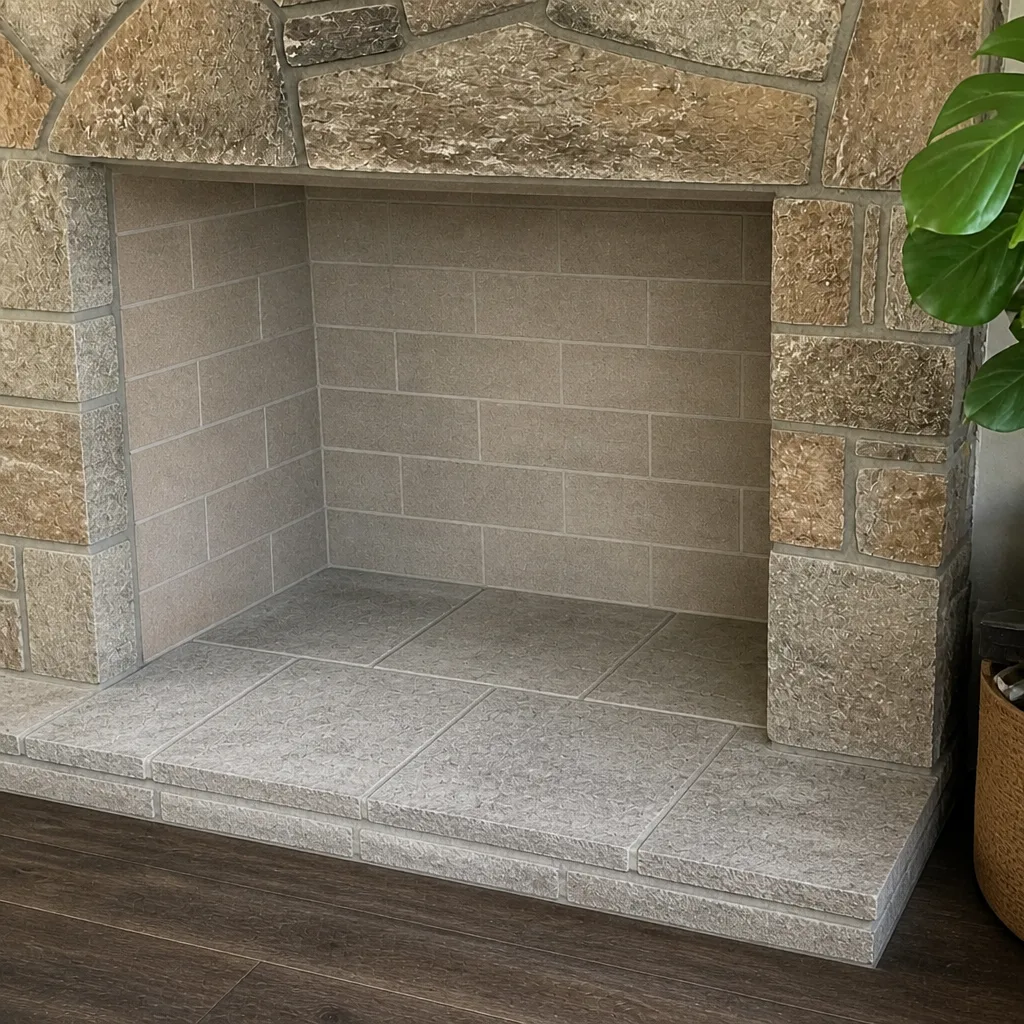
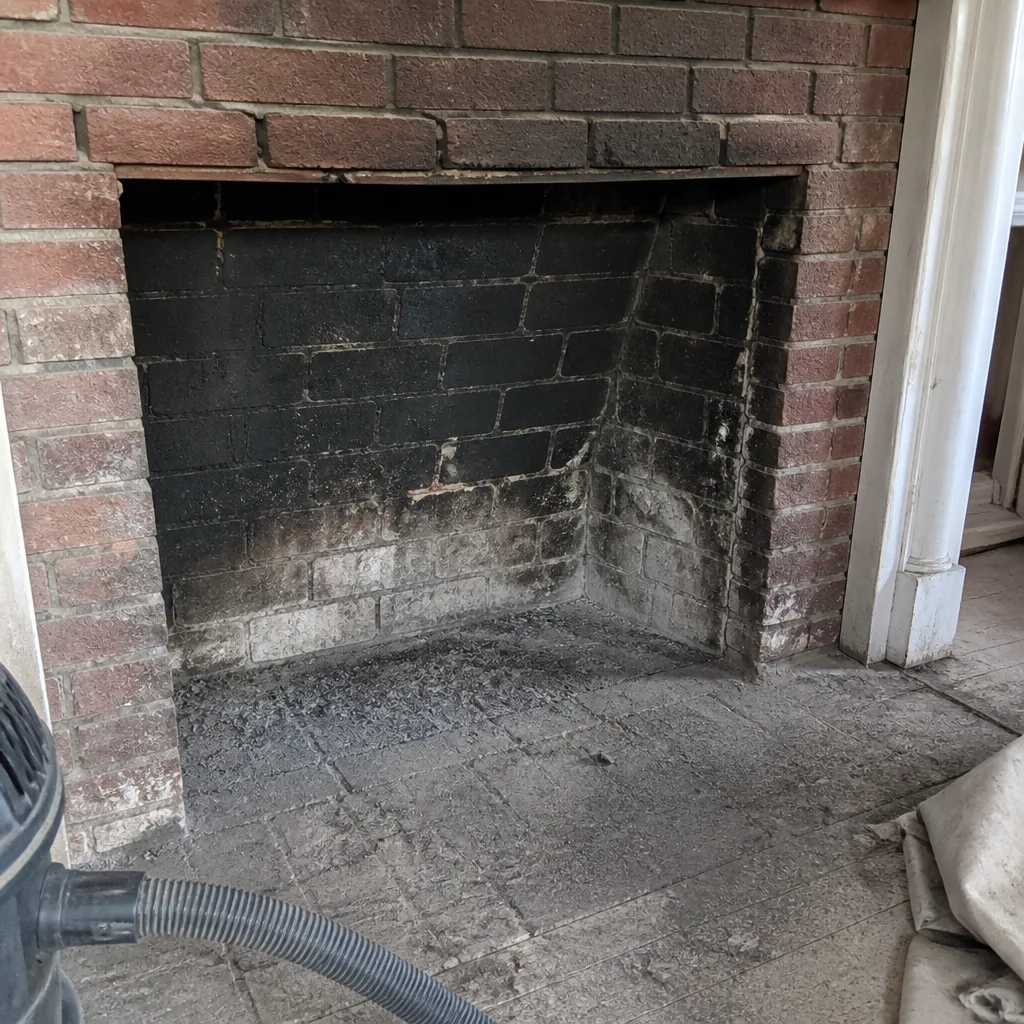
See the difference
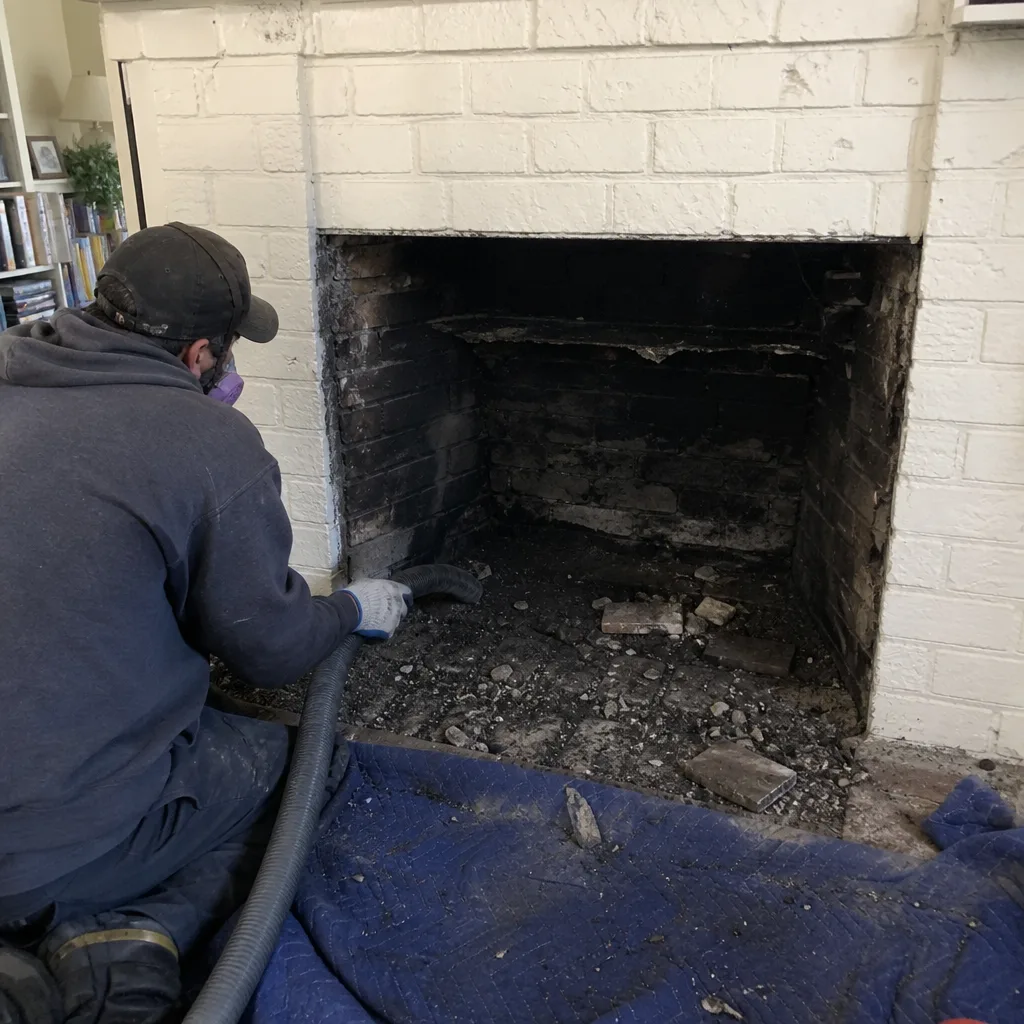 Before
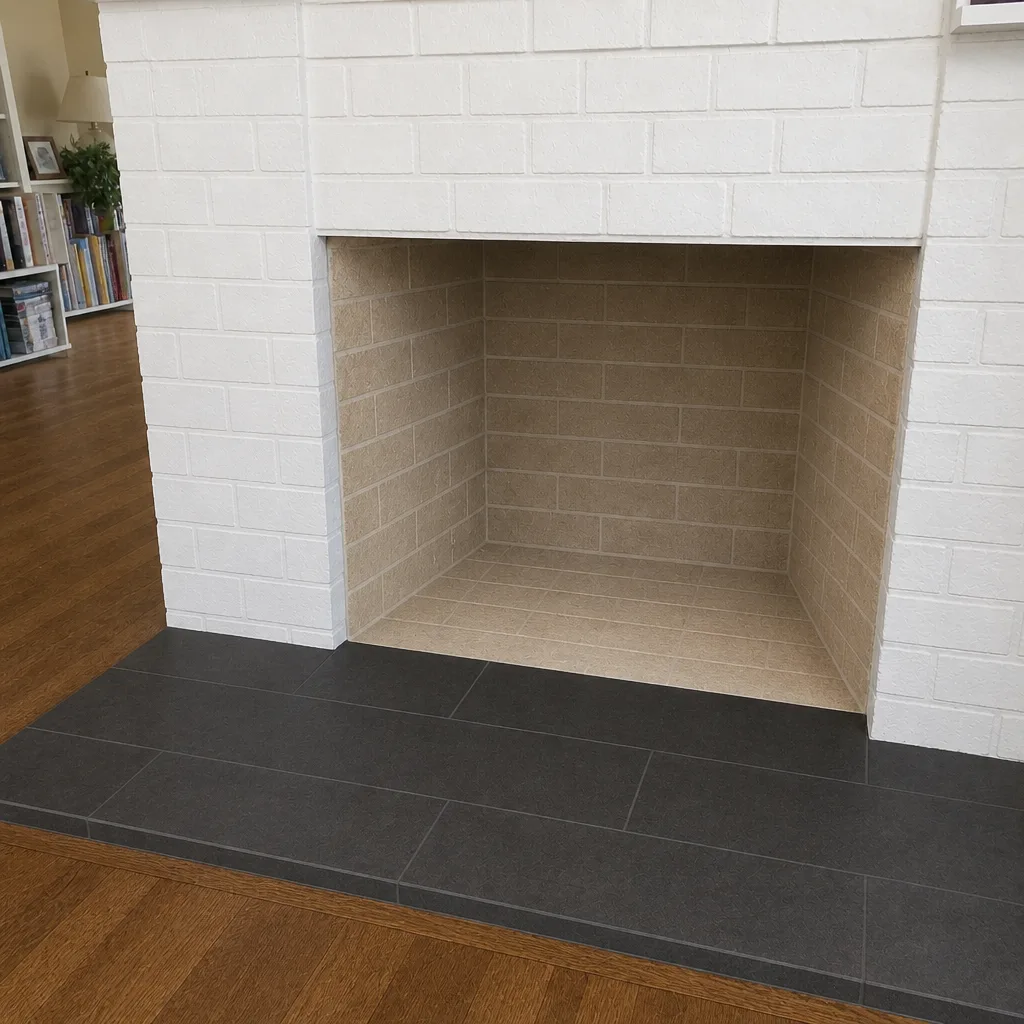 After
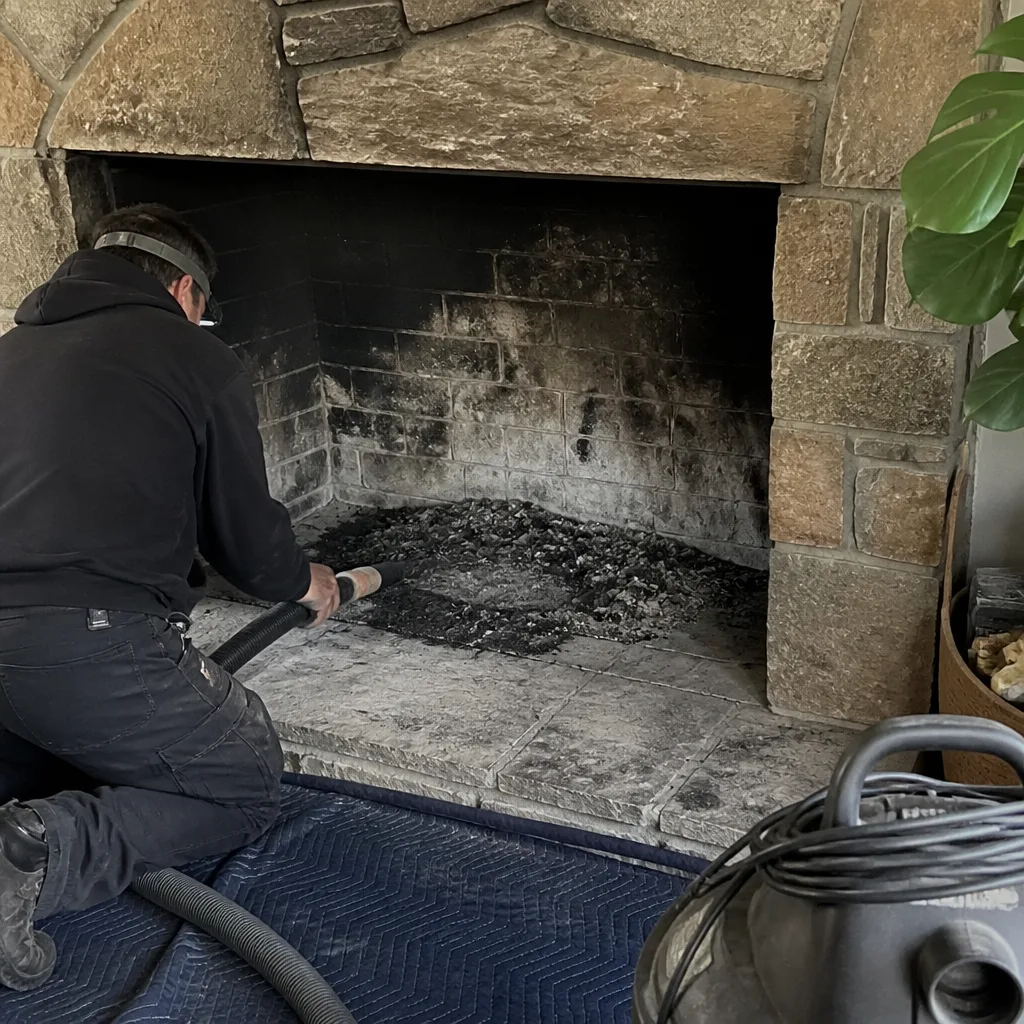 Before
 After
 Before
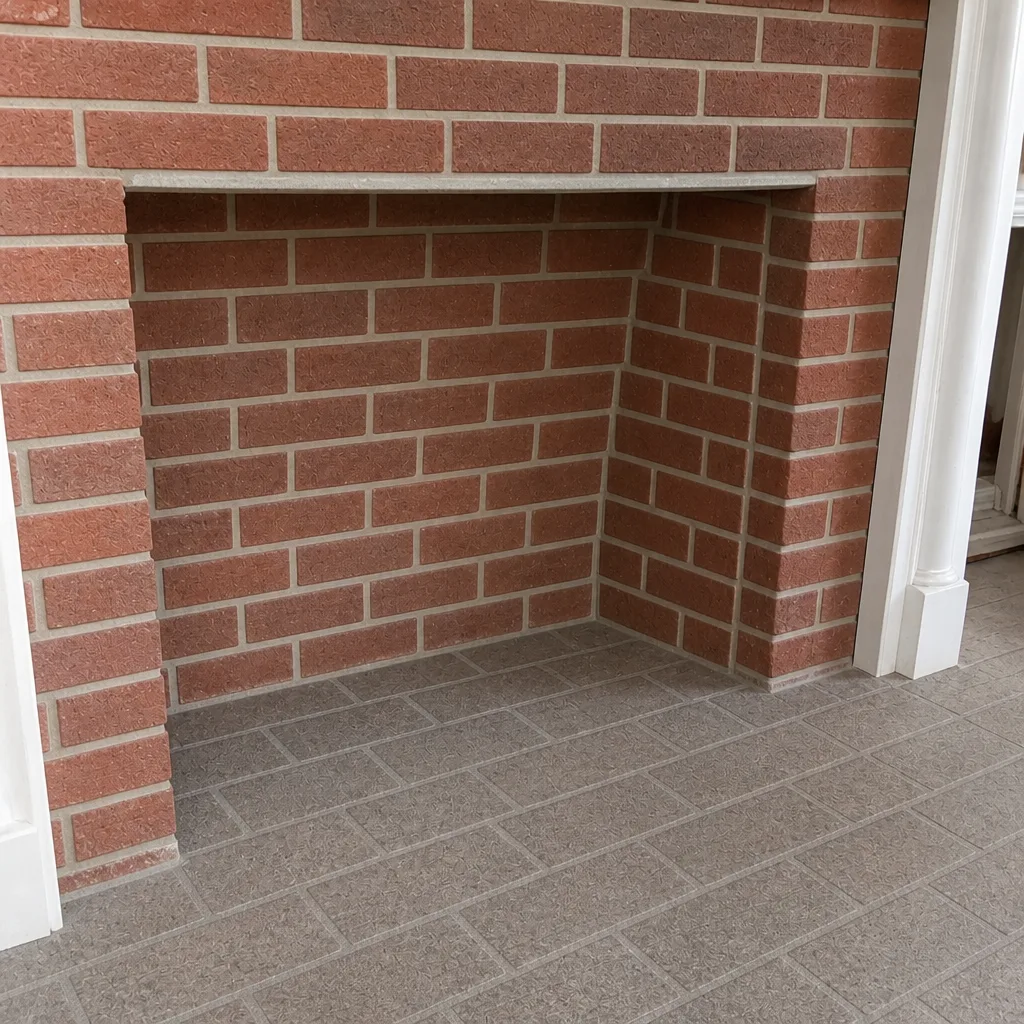 After
When to Call a Professional
Some chimney tasks aren’t worth deferring, and a few genuinely aren’t a job for a homeowner. Any sign of a damaged flue, creosote buildup you can see or smell, a fire that doesn’t draft properly, or a crown and cap that have visibly failed is a reason to bring in a trained professional rather than climb up there yourself. Working at height and around combustible masonry is where injury and fire risk concentrate, and that’s why a specialist is the right call. If you’ve never had the chimney inspected, or it’s been a while since anyone looked inside the flue, book an inspection as a standalone service and let the report guide what comes next. Chimney Sweep Black Rock offers free estimates in Black Rock, and our technicians have up to 8 years of experience. Call (877) 792-7321. We answer 24/7. Fast dispatch from 7am to 7pm, Sunday through Friday.
Frequently Asked Questions
Ask whether chimney work is their exclusive focus and follow up with a specific question about liner materials and brands they install. A specialist names professional-tier products and the restoration options they offer; a generalist gets vague or refers the repair out. You can usually tell within five questions.
No, it’s the floor, not the ceiling. CSIA certification tells you a technician is qualified to sweep and inspect, which matters, but it doesn’t prove the company carries proper liner materials or can specify a repair. Look for certification plus evidence of full-scope repair capability. Call (877) 792-7321 for an exact quote on a Black Rock inspection – estimates are free.
Because chimney quotes are rarely scoped the same way, so comparing totals is comparing three different jobs. Build a written scope of work from a standalone inspection first, then ask each contractor to bid the same items with materials named. The real comparison is line by line, not bottom line.
The company should carry general liability that specifically covers chimney and roof work, plus workers’ compensation, with limits that match the exposure of working at height around combustible masonry. Ask for a certificate and confirm that the people actually on your roof are covered. General contractor policies often handle this work differently or exclude it, so it’s worth checking.
Vague line items with no materials named, missing liner specifications, and disclaimers that void the warranty on repairs are the biggest ones. So is pressure to approve thousands of dollars of liner or masonry work without camera evidence you can see. If you can’t verify the recommendation, don’t pay to fix it. Call (877) 792-7321 to book a documented inspection – estimates are free.
Yes, when you can, because a single point of accountability eliminates the blame-shifting that happens when the inspector and the repair contractor are different companies. The company that finds the problem should be the one that fixes it. We handle inspection and repair together so nothing gets lost between vendors.
The Bottom Line
Hiring a chimney cleaning contractor in Black Rock comes down to separating real specialists from side-service providers before the work begins. Verify certification, but treat it as a starting point rather than proof of capability. Ask the five questions, build a scope of work from a standalone inspection, and insist on written bids that name professional materials. Check that insurance covers chimney work specifically, and read the contract for vague line items and warranty-voiding fine print. A full-scope specialist keeps inspection, sweeping, and repair under one accountable roof, which is what protects you from problems down the road.
If you’d rather skip the guesswork, call Chimney Sweep Black Rock at (877) 792-7321 for a free estimate. We answer 24/7. Fast dispatch from 7am to 7pm, Sunday through Friday. We work with professional-grade materials, and one company handles your inspection and your repair – no finger-pointing between separate contractors.
Written by the team at Chimney Sweep Black Rock.