
Last updated November 24, 2026
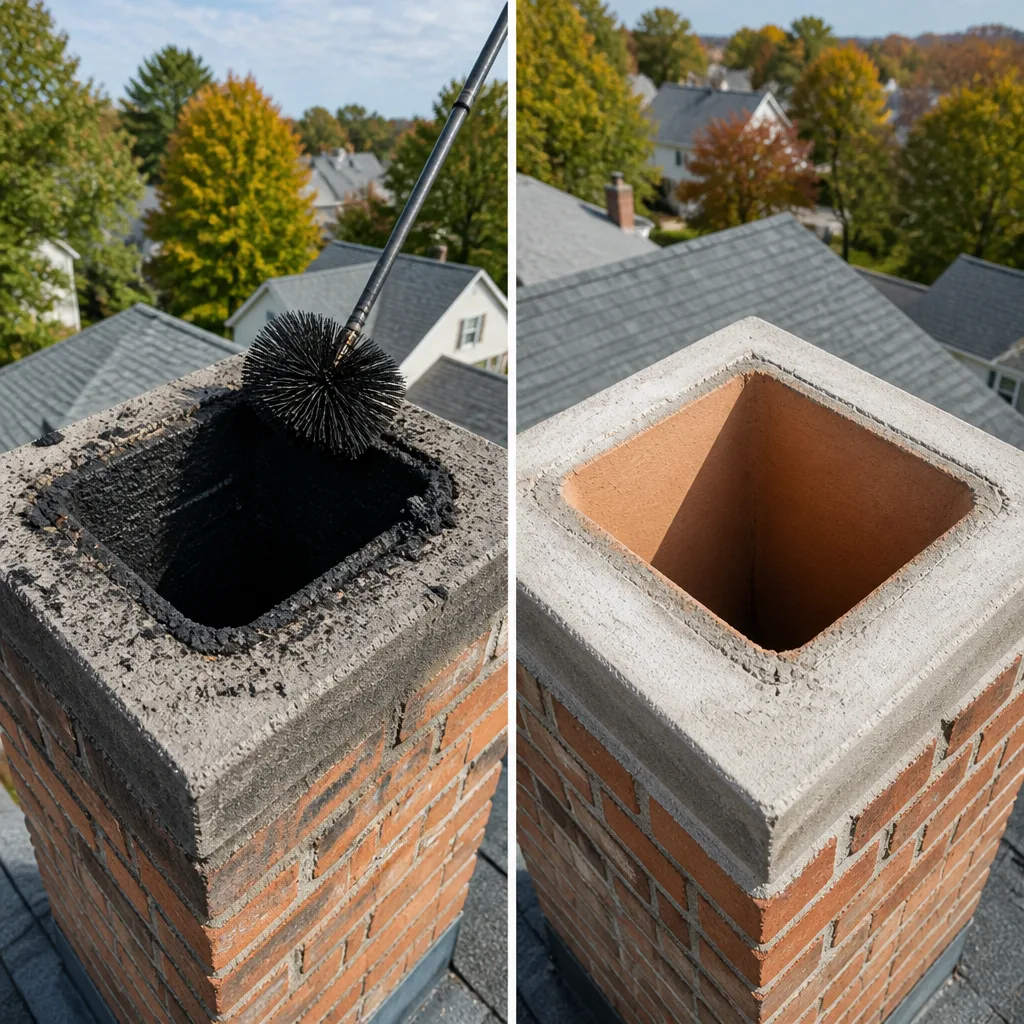 Sweep & inspection
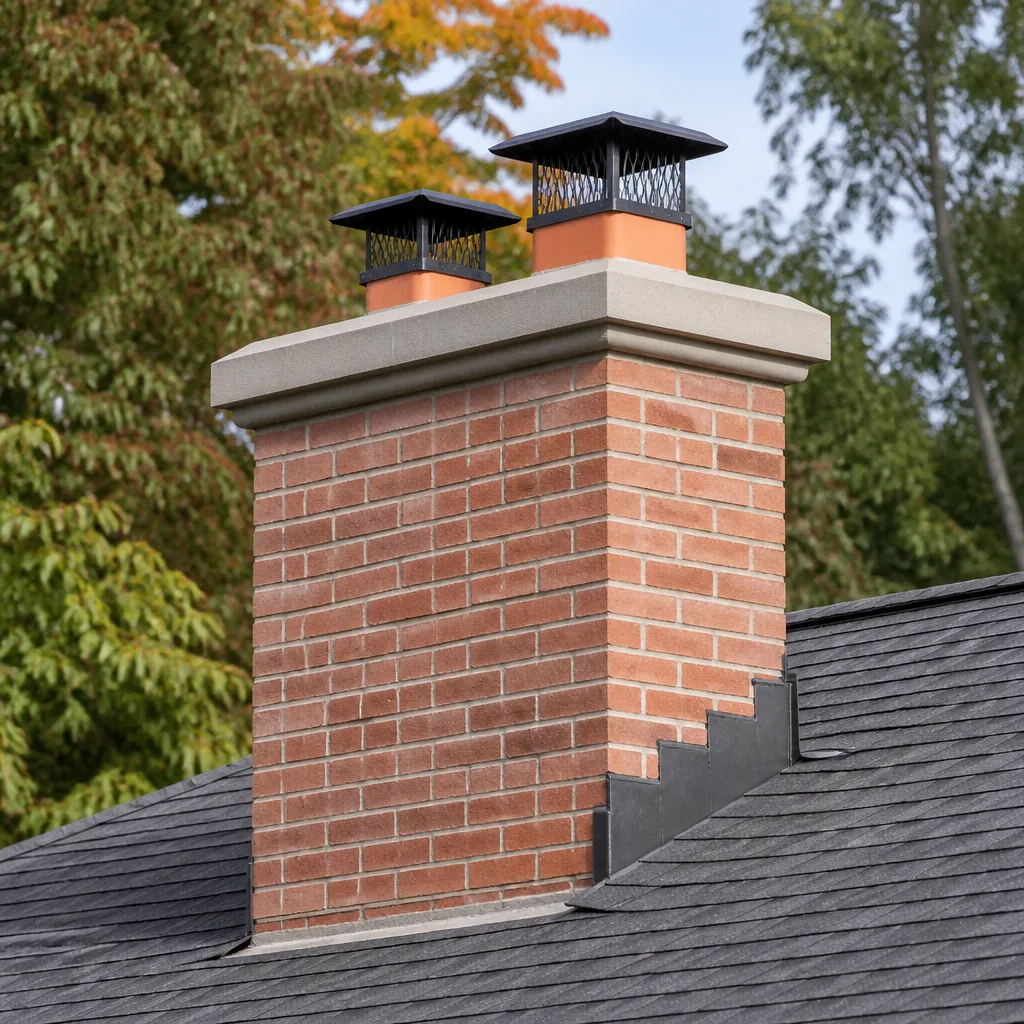 Caps & crowns
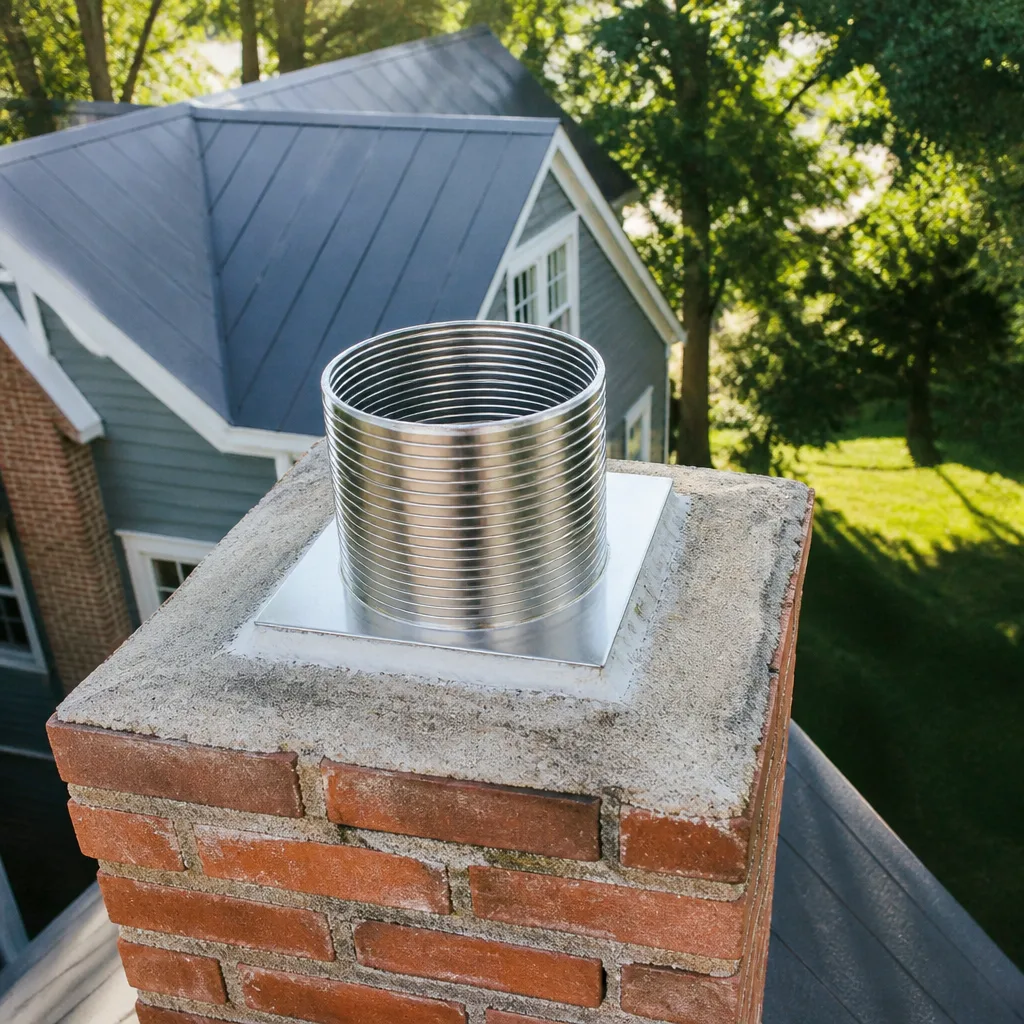 Flue relining
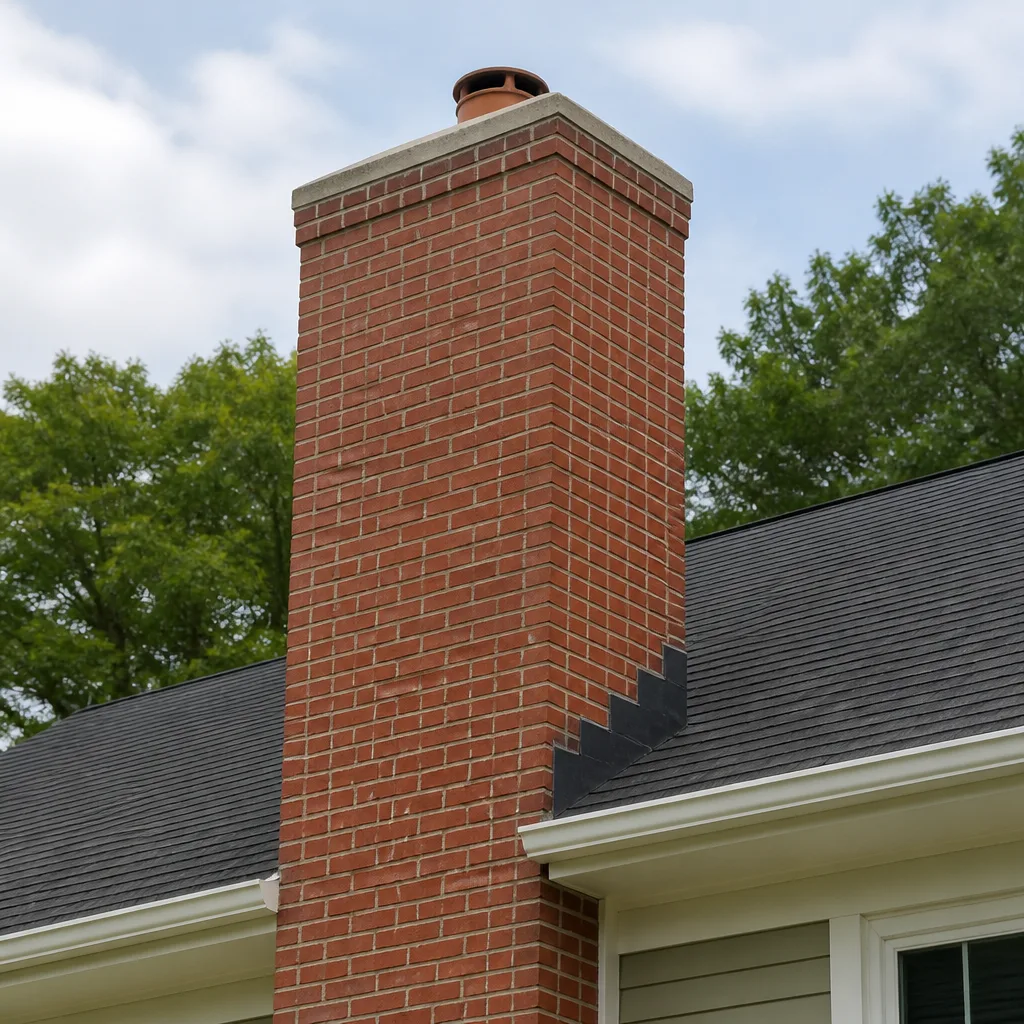 Masonry repair
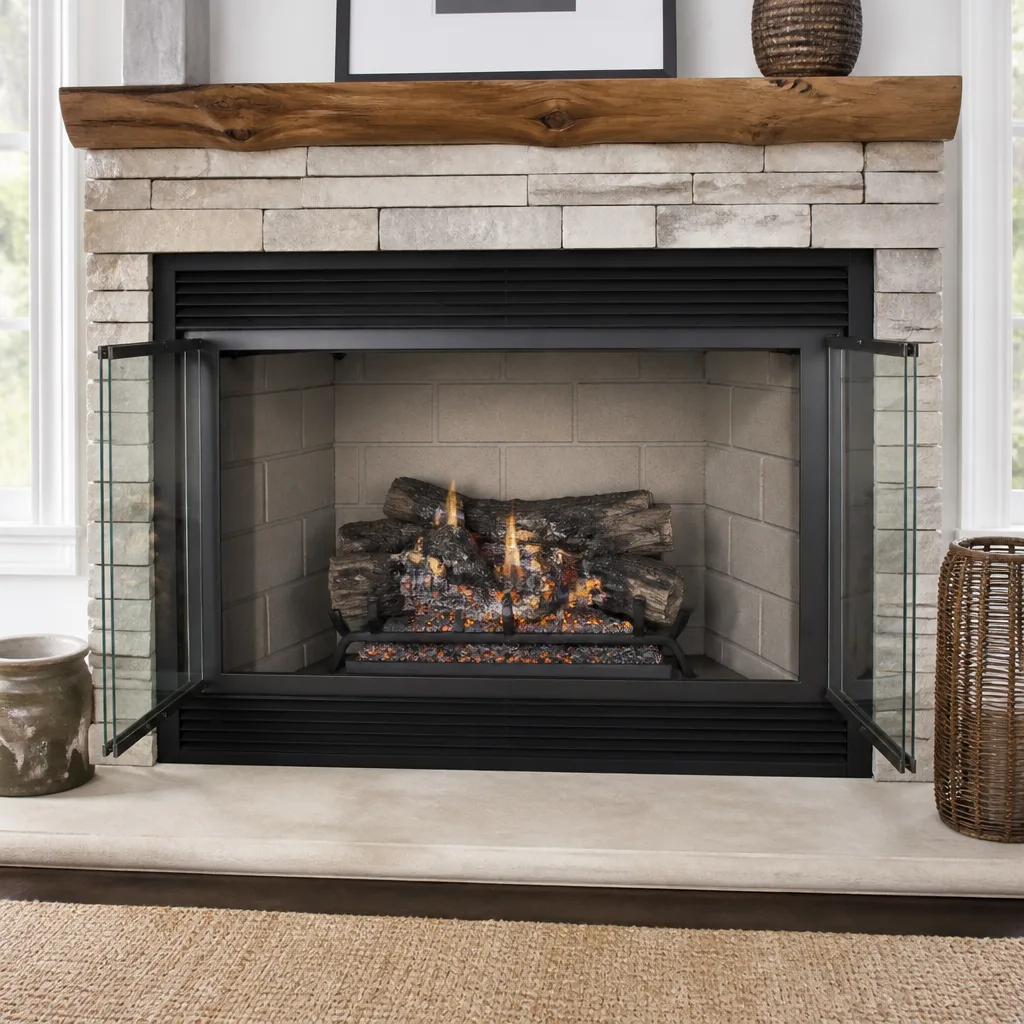 Gas fireplace service
Level 1 sweep and inspection to the NFPA 211 annual standard - flue, crown, cap, and flashing checked and photographed
Chimney sweep logs do not sweep chimneys. They loosen some creosote - which then falls where a brush and vacuum still have to collect it.
Seasonal Chimney Cleaning Care for Black Rock: Year-Round Homeowner’s Guide
Most homeowners in Black Rock book their chimney sweep in October, right before the first fire. That’s understandable, and it’s also backward. The season that does the most damage to a chimney here isn’t winter. It’s spring, when freeze-thaw cycling through March and April works water into mortar joints that looked perfectly sound in December, then splits them open as it expands overnight. By the time you light a fire in fall, that cracked crown has been letting water into the flue for six months. This guide walks through what each of Black Rock’s four seasons actually does to your chimney system, and what to check and handle in each one so you’re protecting the structure instead of repairing it.
Quick Answer
Chimney care in Black Rock works best as a four-season cycle, not a single annual sweep. Spring is the season to inspect and repair masonry damage caused by freeze-thaw cycling, summer is when you protect an unused flue from moisture and animals, fall is when you sweep before burning season (September beats November), and winter is when your burning habits decide how fast creosote builds. Two services anchor the year: a professional inspection in spring and a sweep in early fall.
Styles & brands we work with
- Sweep & inspection
- Caps & crowns
- Flue relining
- Masonry repair
- Gas fireplace service
Table of Contents
- Why Chimney Care in Black Rock Is a Year-Round Job
- Spring: Inspection and Masonry Repair Season
- Summer: Protecting an Unused Chimney
- Fall: Why Sweeping in September Beats November
- Winter: Burning Practices That Slow Creosote
- The Seasonal Service Timeline: Staggering the Cost
- Common Mistakes to Avoid
- When to Call a Professional
- Frequently Asked Questions
Why Chimney Care in Black Rock Is a Year-Round Job
A chimney is an outdoor structure attached to your house, and in Black Rock it lives through a full Western New York weather cycle every year. That means four different kinds of stress, each arriving on its own schedule. Treating chimney care as one appointment a year means you’re always reacting to damage after it’s happened, never getting ahead of it.
Here’s how the stresses break down across the year:
- Freeze-thaw cycling (late winter into spring): Water enters small cracks in mortar, the crown, or the brick face, freezes overnight, expands, and widens the crack. Repeat that dozens of times through March and April and you get spalling brick, crumbling mortar, and a crown that’s no longer shedding water the way it should.
- Moisture and animal intrusion (summer): A flue that sits unused for months is a dry, sheltered cavity. That’s attractive to birds, squirrels, and raccoons, and any gap in the cap or crown lets rain straight into the liner.
- Creosote accumulation (fall and winter): Every fire deposits creosote on the flue walls. How much, and what kind, depends heavily on how you burn. Glazed, tar-like creosote is the flammable kind and it’s the reason chimneys get swept.
- Draft and pressure changes (year-round): A chimney’s draft depends on the temperature difference between the flue and the outside air, which is why a chimney that draws fine in January can smoke into the room in April.
Each season in Black Rock gives you a window to handle one of these before it compounds into the next. Miss the spring window and the summer moisture problem gets worse. Miss the fall sweep and you’re burning on top of last year’s creosote. The whole point of a seasonal approach is that each task is small when it’s done on time.
Spring: Inspection and Masonry Repair Season
Spring is the highest-risk season for chimney structural damage in Black Rock, and almost nobody treats it that way. The reason is water. Through March and April, daytime temperatures climb above freezing and melt snow and ice on the chimney’s exterior, and moisture seeps into every hairline crack in the masonry, the mortar joints, and the crown. Overnight, it freezes and expands. That expansion is what turns a hairline crack into a real one.
What to check on the outside of the chimney once the last freeze has passed:
- The crown – the concrete cap on top of the chimney. Look for cracks, chips, or separation from the flue. A crown that isn’t shedding water sends it into the masonry below.
- Mortar joints – run a screwdriver handle or a coin gently along the joints between bricks. Crumbling or recessed mortar means it needs repointing before next winter.
- Brick faces – flaking, peeling, or pitted brick (spalling) is freeze-thaw damage in progress.
- The cap – a missing or damaged chimney cap is the single most common entry point for water and animals.
- The flashing – the metal where the chimney meets the roof. Lifted or cracked flashing lets water straight into the attic.
The Spring Inspection
Spring is also the right time for a full chimney inspection, because it’s the season when problems are easiest to see and easiest to fix before the burning season. An inspection covers the flue interior, the liner, the firebox, the damper, and the exterior masonry, so you get a complete picture rather than a guess. If your liner is deteriorating but still structurally sound, HeatShield resurfacing can restore the flue without the cost and disruption of pulling the whole liner. That’s a judgment call that depends on what the inspection actually shows, which is why we treat inspection as a standalone service: you get an honest assessment before committing to anything.
Fixing a cracked crown or repointing mortar in spring in Black Rock costs a fraction of what the same repair costs once water has worked its way into the flue and started damaging the liner. Chimney problems don’t get cheaper with time. A cracked crown today becomes a liner failure tomorrow.
Summer: Protecting an Unused Chimney
Summer is when most Black Rock homeowners forget the chimney exists. That’s exactly when it needs a little attention, because an unused chimney is an unguarded one. Two things happen to a chimney in summer: water gets in, and animals move in.
Water intrusion
The crown and cap are your first line of defense, and summer rainstorms test them over and over. A crown that’s cracked or separating from the flue lets water run down the outside of the flue and into the masonry, where it sits and waits for the first freeze to do its damage. A missing or loose cap lets water drop straight down the flue onto the smoke shelf and damper, which rusts the damper and can stain the firebox. If your crown needs attention, summer is a good window to handle chimney cap & crown work before the fall rush.
Animal intrusion
A flue is a dry, sheltered vertical cavity with an opening at the top, which is a genuinely attractive place for birds, squirrels, and raccoons to nest. A proper chimney cap with a mesh screen keeps them out. This is the single most overlooked summer task in Black Rock, and it’s inexpensive compared with what a nest does to your draft and your flue when you light the first fire of the season.
Damper and draft checks
Check that the damper opens and closes fully and seats correctly. A damper that won’t close all the way lets your air conditioning escape up the chimney all summer, and one that won’t open fully will smoke into the room when you start burning again. If your damper is stuck, that’s a chimney repair item, not something to live with.
Two checks in summer, a cap and a damper, prevent most of the moisture and animal problems that show up as expensive repairs in the fall.
Fall: Why Sweeping in September Beats November
The single most useful piece of timing advice for Black Rock homeowners is this: book your chimney sweep in September, not November. It’s not about scheduling convenience. It’s about what you can actually do with the information.
A fall sweep removes the creosote that built up last season and, just as importantly, it tells you what condition the flue is in before you start burning. If the sweep turns up a problem (a deteriorating liner, a damaged damper, a crack in the firebox), you have weeks to get it fixed before the first cold snap. Book in November and you’re either burning on top of an unresolved problem or scrambling to get repair work done in a hurry.
September in Black Rock is also when the weather is still mild enough for exterior work like cap and crown repairs and masonry repairs to be done comfortably and cure properly. Wait until November and you may be working around the first freeze.
What a proper sweep covers
- Protect the hearth and surrounding floor with drop cloths and a vacuum running throughout.
- Brush the flue from the top and the firebox from the bottom, depending on the flue configuration and access.
- Remove and bag the creosote and soot; nothing gets left in your home.
- Check the firebox, damper, smoke chamber, and smoke shelf.
- Check the cap and crown from the roof.
- Report what was found and whether the flue needs anything beyond a cleaning.
Also check your wood supply in early fall. Wood that hasn’t had time to season burns cool and wet, which deposits more creosote than dry wood. If your wood was split this year, it may not be ready.
Winter: Burning Practices That Slow Creosote
How you burn in winter decides how fast creosote builds, and the habits that make the biggest difference are the ones most Black Rock homeowners don’t think about. Creosote forms when smoke cools before it exits the flue, and smoke cools fastest when a fire is smoldering, when the wood is wet, or when the flue itself is cold.
Burn hotter, less often
A hot, well-established fire with good air supply produces less creosote than a slow, smoldering one that sits all evening. The intuition that a low, slow fire is efficient is actually backwards for chimney health. A steady fire that burns down to coals before you reload is better than a fire you keep damped down to stretch the wood.
Burn dry wood
Wet or green wood wastes energy boiling off the water, and that lower combustion temperature sends more unburned material up the flue as creosote. Seasoned wood that’s been split and dried for a season burns hotter and cleaner.
Warm the flue first
On a cold morning in Black Rock, lighting a fire into a cold flue can cause smoke to spill into the room before the draft establishes. Pre-warming the flue with a small, hot starter fire and holding a lit rolled newspaper near the damper helps establish the draft before you build a full fire.
Watch for the warning signs
If you see a buildup that looks like tar or glaze on the flue, if you smell a strong creosote odor, or if the fire seems to burn sluggishly, those are signs the flue needs a sweep even if you’ve swept it recently. Never treat an active chimney fire as something to just let burn out; get everyone out and call the fire department.
The Seasonal Service Timeline: Staggering the Cost
Most Black Rock homeowners front-load everything into one expensive fall appointment, which is the opposite of what a chimney system needs. Here’s a seasonal service timeline that spreads the work across the year, so each task arrives before the stress it addresses.
Spring (March to May)
- Full chimney inspection – flue, liner, firebox, damper, crown, cap, flashing, masonry.
- Masonry and crown assessment – catch freeze-thaw damage as soon as it’s visible.
- Repoint, repair, or resurface – repointing mortar, repairing the crown, or HeatShield resurfacing if the liner is deteriorating but not failed.
Summer (June to August)
- Cap and damper check – keep water and animals out of an unused flue.
- Cap installation – install or replace a chimney cap with a mesh screen.
- Crown repair – handle any crown work before the fall rains and the fall rush.
Fall (September to early October)
- Full chimney sweep – clear last season’s creosote and check the flue condition.
- Firebox and damper check – before the first fire.
- Wood supply check – confirm your wood is seasoned and dry.
Winter (November to February)
- Good burning practices – hot fires, dry wood, warmed flue.
- Mid-season visual check – anything that looks off gets a sweep or inspection.
This timeline puts the expensive structural work in spring and the inexpensive protection work in summer, with the seasonal sweep in early fall. It also means no single appointment carries everything. That staggering is a big part of why chimney problems in Black Rock get caught early: each task is small when it’s done on time.
Common Mistakes to Avoid
- Sweeping only in late fall. Booking your sweep in November leaves no time to fix anything a sweep turns up. Sweep in September so you have weeks to get repairs done before the burning season.
- Ignoring the crown because the chimney looks fine from the ground. The crown is on top of the chimney and it cracks from freeze-thaw. Get it checked every spring in Black Rock, not once every few years.
- Leaving an unused chimney uncapped for the summer. A flue open to the sky invites animals and lets rain into the liner. A cap with a mesh screen costs little and prevents a lot.
- Burning unseasoned wood. Green or wet wood burns cool, produces more creosote, and leads to faster buildup. Let your wood season before you burn it.
- Treating a liner crack as a cosmetic issue. A cracked or deteriorating liner is a path for carbon monoxide into the home. It needs a real fix, which may be HeatShield resurfacing or liner replacement depending on the condition.
- DIY crown and cap work. Roof access on a steep pitch in Western New York is dangerous, and a poorly seated cap or crown is worse than the one it replaced. This is work for a trained professional.
- Assuming a general handyman is equivalent to a chimney specialist. Chimneys have their own codes, their own materials, and their own failure modes. A chimney specialist will see what a generalist misses.
When to Call a Professional
Some chimney work in Black Rock is a genuine DIY job, and most of it isn’t. Call a professional when:
- It’s been more than a year since your last sweep, or you’ve burned more than a cord of wood in a season.
- You see creosote glaze, a strong creosote odor, or sluggish burning.
- The crown is cracked, the mortar is crumbling, or the brick face is spalling.
- Your cap is loose, missing, or damaged.
- The liner is cracked or deteriorating, or you smell smoke or exhaust inside the house.
- Your damper won’t open or close properly.
- The firebox is cracked or damaged.
If you’re not sure, the honest answer is a chimney inspection. That’s the right starting point before you commit to any repair. Chimney Sweep Black Rock offers free estimates in Black Rock. Call (877) 792-7321. We answer 24/7. Fast dispatch from 7am to 7pm, Sunday through Friday. Or visit Chimney Sweep Black Rock to get started.
Frequently Asked Questions
Once a year for most Black Rock homeowners who burn regularly, and sooner if you burn more than a cord of wood a season or notice creosote buildup. The fall sweep in September is the anchor appointment; a spring inspection is the other half of the year.
Not always. A liner that’s deteriorating but still structurally sound can often be restored with HeatShield resurfacing instead of full replacement. That’s why the inspection comes first: nothing gets recommended without seeing the actual condition of the flue. Call (877) 792-7321 to book an inspection and find out what your flue actually needs.
Creosote builds up, which is a chimney fire risk, and moisture gets into masonry and cracks it apart through freeze-thaw. Skip the spring inspection and a small crown crack becomes a liner problem by fall. Skip the fall sweep and you’re burning on top of a season’s creosote. Neither is catastrophic at first, but chimney problems don’t get cheaper with time.
It’s not ideal. Without a cap, rain enters the flue, birds and animals nest in it, and your draft suffers. A cap with a mesh screen is one of the cheapest protections you can add, and summer is a good time to install or replace one.
Because of freeze-thaw cycling. Moisture gets into cracks during the day and freezes overnight through March and April, and the expansion widens the cracks. A crown that looked intact in December can be visibly cracked by April. That’s why the spring inspection matters so much in Western New York.
Get everyone out of the house and call the fire department immediately. Don’t try to put it out yourself. After it’s out, don’t use the chimney again until a professional has inspected and cleaned it. For routine creosote concerns, call us at (877) 792-7321 for a sweep and inspection.
The Bottom Line
Chimney care in Black Rock works best as a year-round cycle rather than a single fall event. Spring is when freeze-thaw damage shows up and gets fixed, summer is when you protect an unused flue from water and animals, fall is when you sweep before burning season, and winter is when your burning habits slow creosote buildup. Staggering the work across the year keeps each task small and prevents the damage from compounding. If you want a specialist rather than a generalist handling the full system, from the sweep through cap, crown, and liner work, that’s what we do. We work with professional-grade materials, and one company sees your chimney through inspection and repair. Call (877) 792-7321 for a free estimate. We answer 24/7. Fast dispatch from 7am to 7pm, Sunday through Friday.
Written by the team at Chimney Sweep Black Rock.
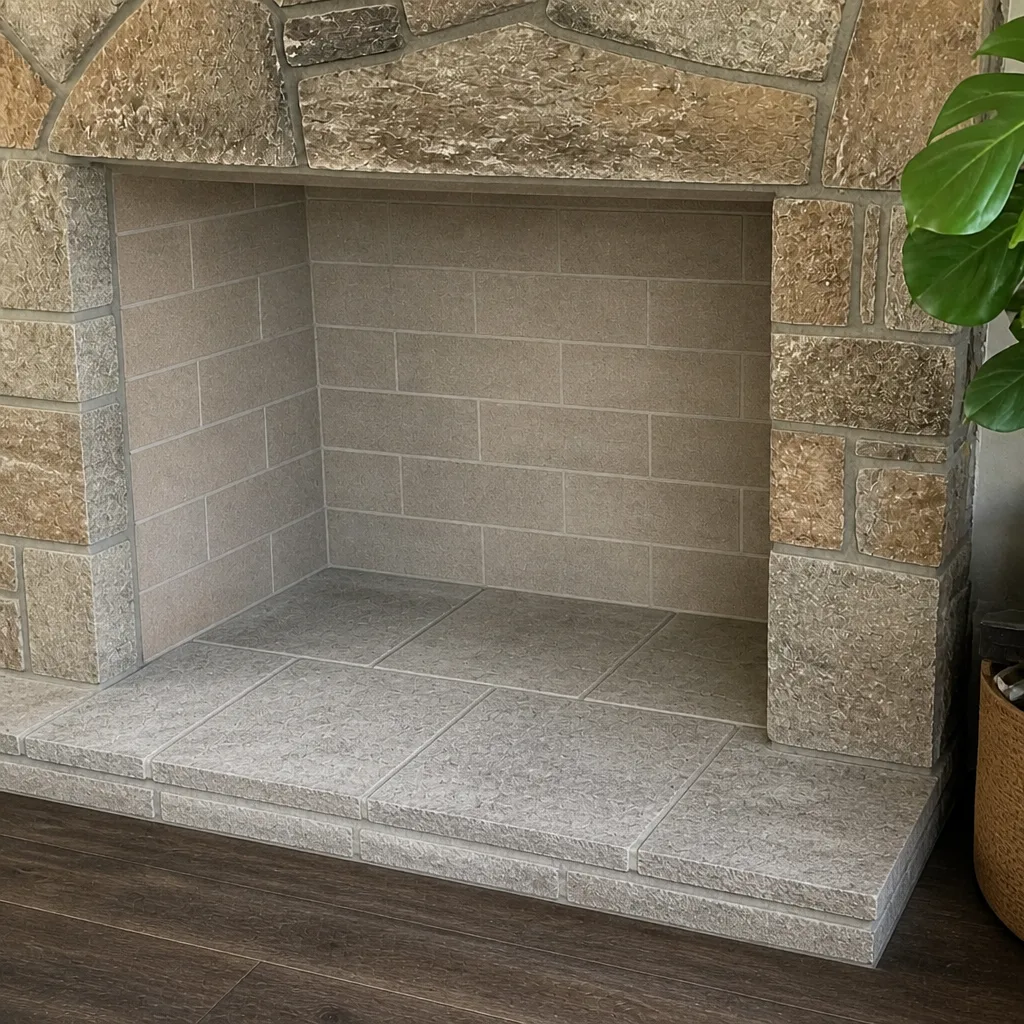
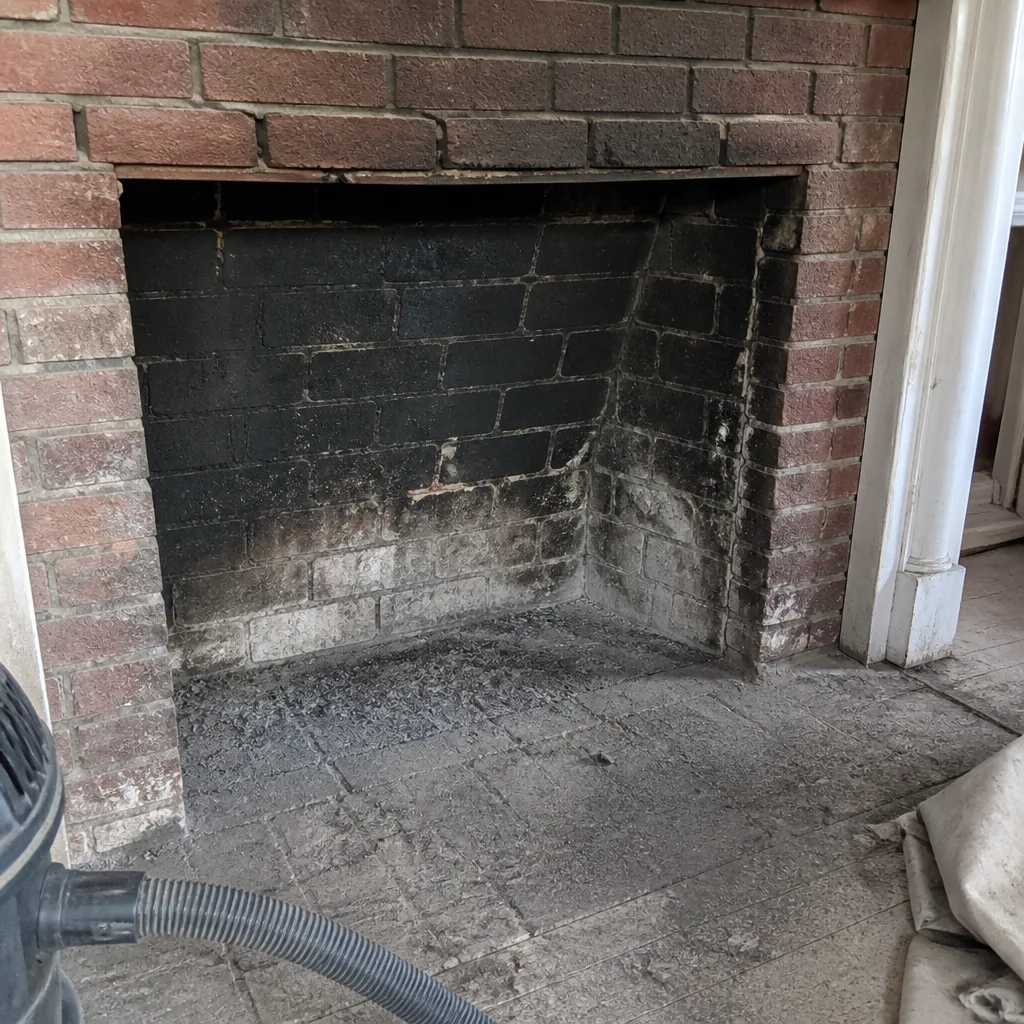
See the difference
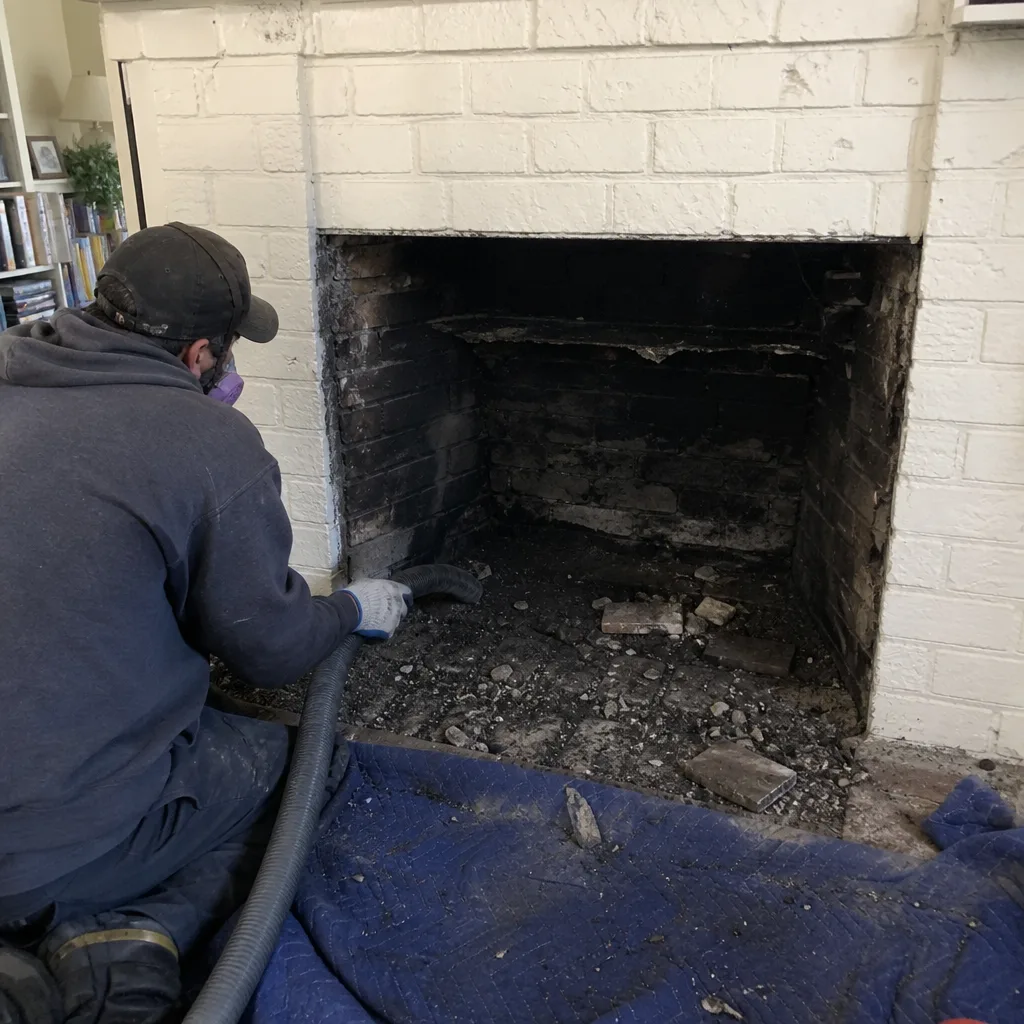 Before
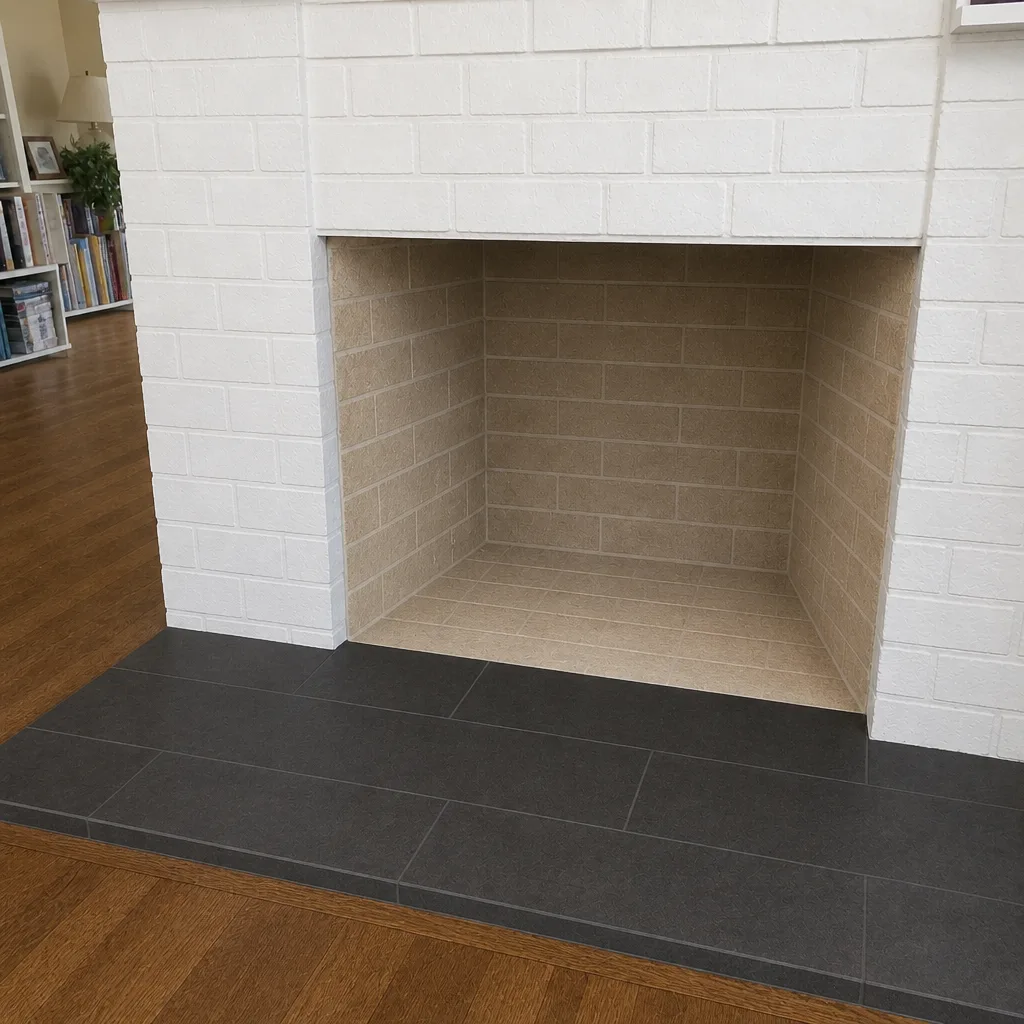 After
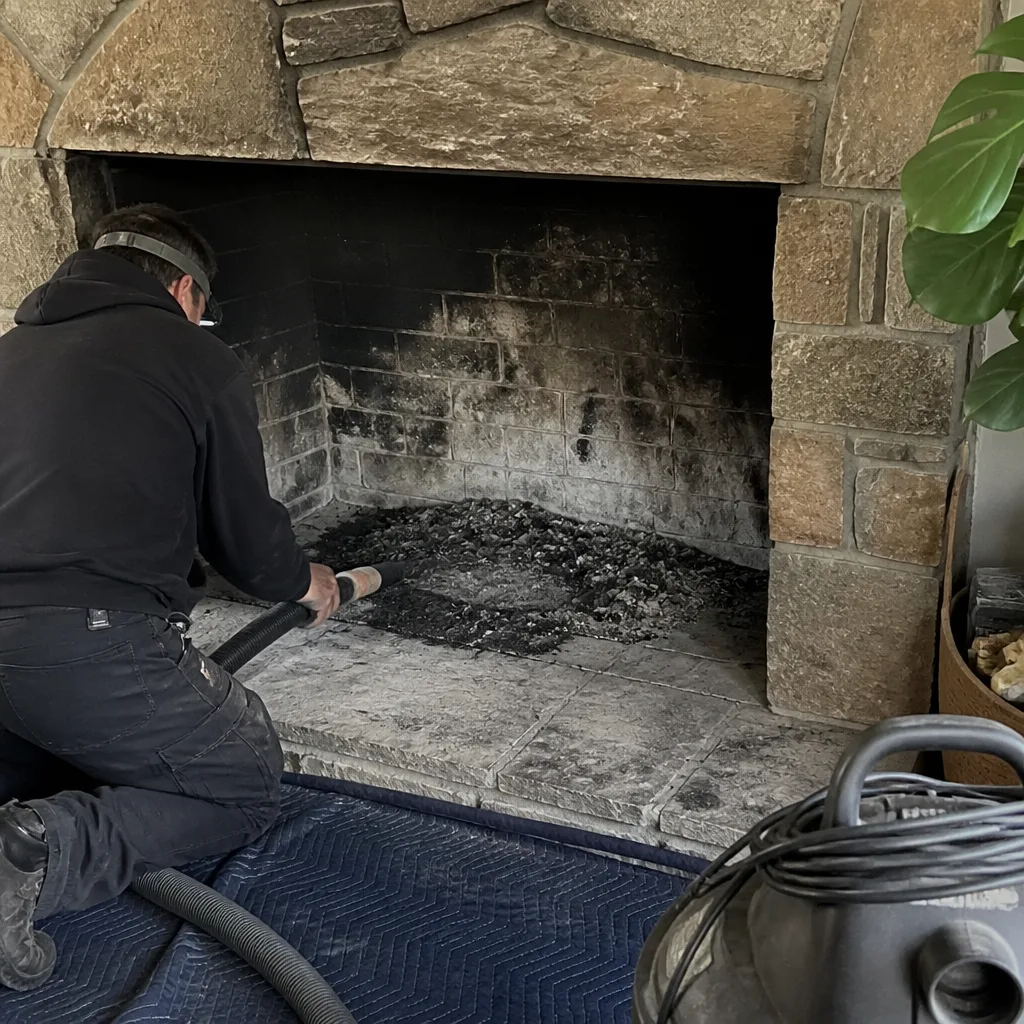 Before
 After
 Before
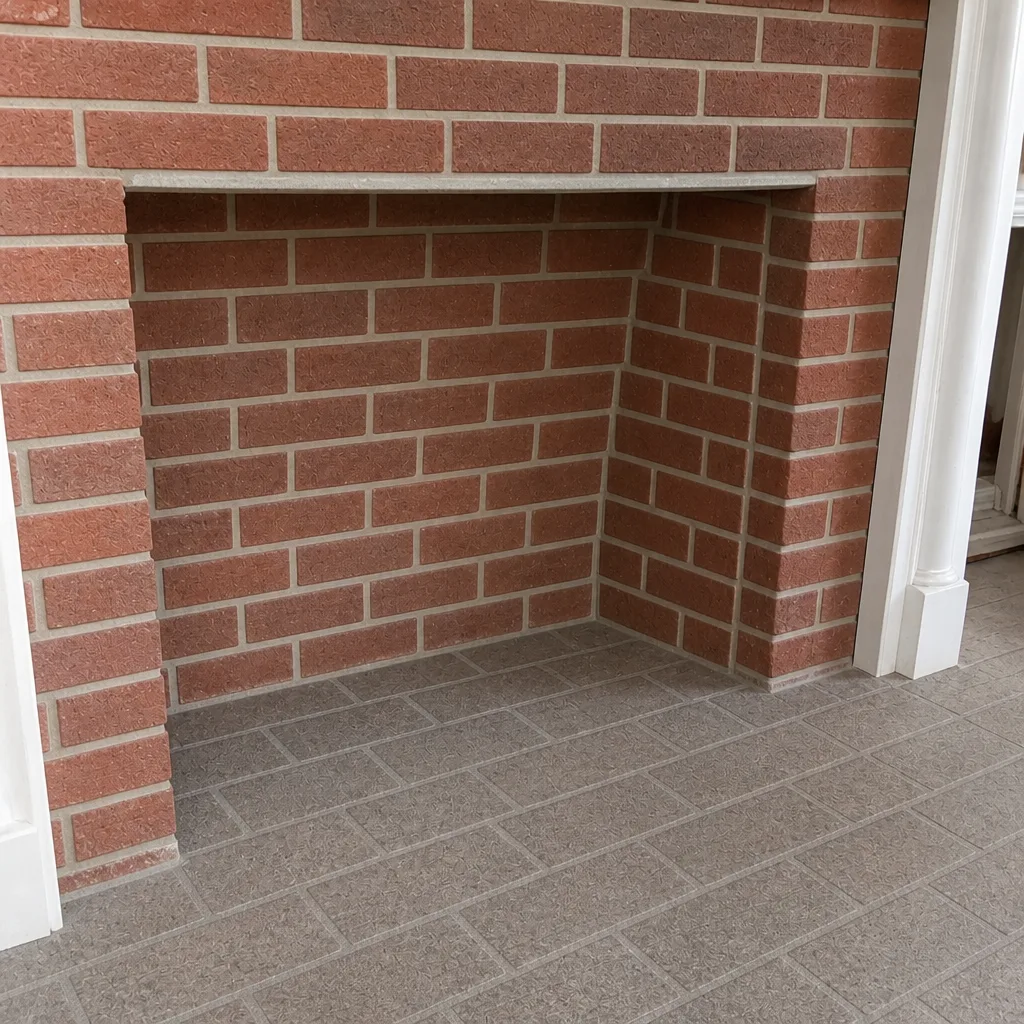 After