
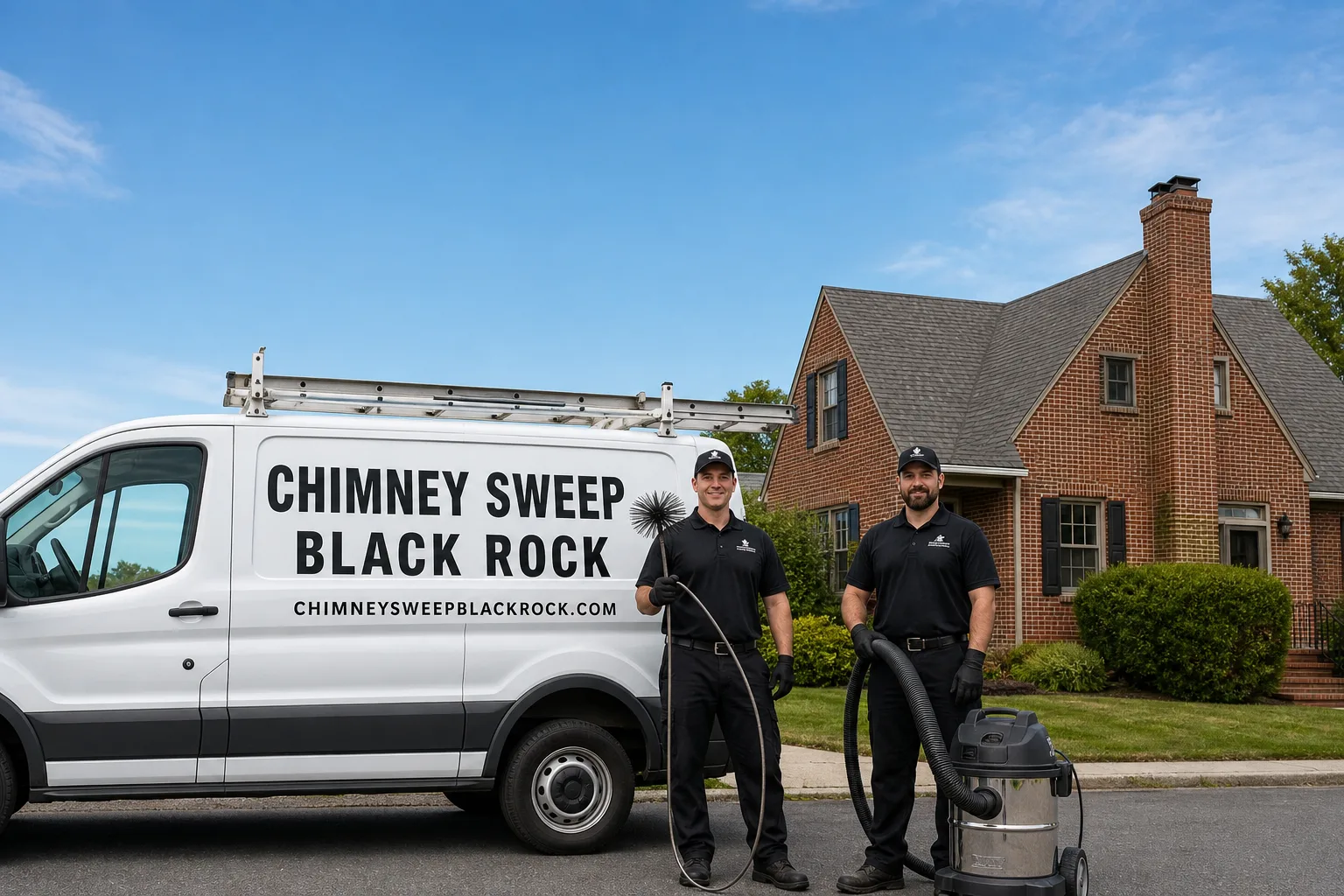
 Sweep & inspection
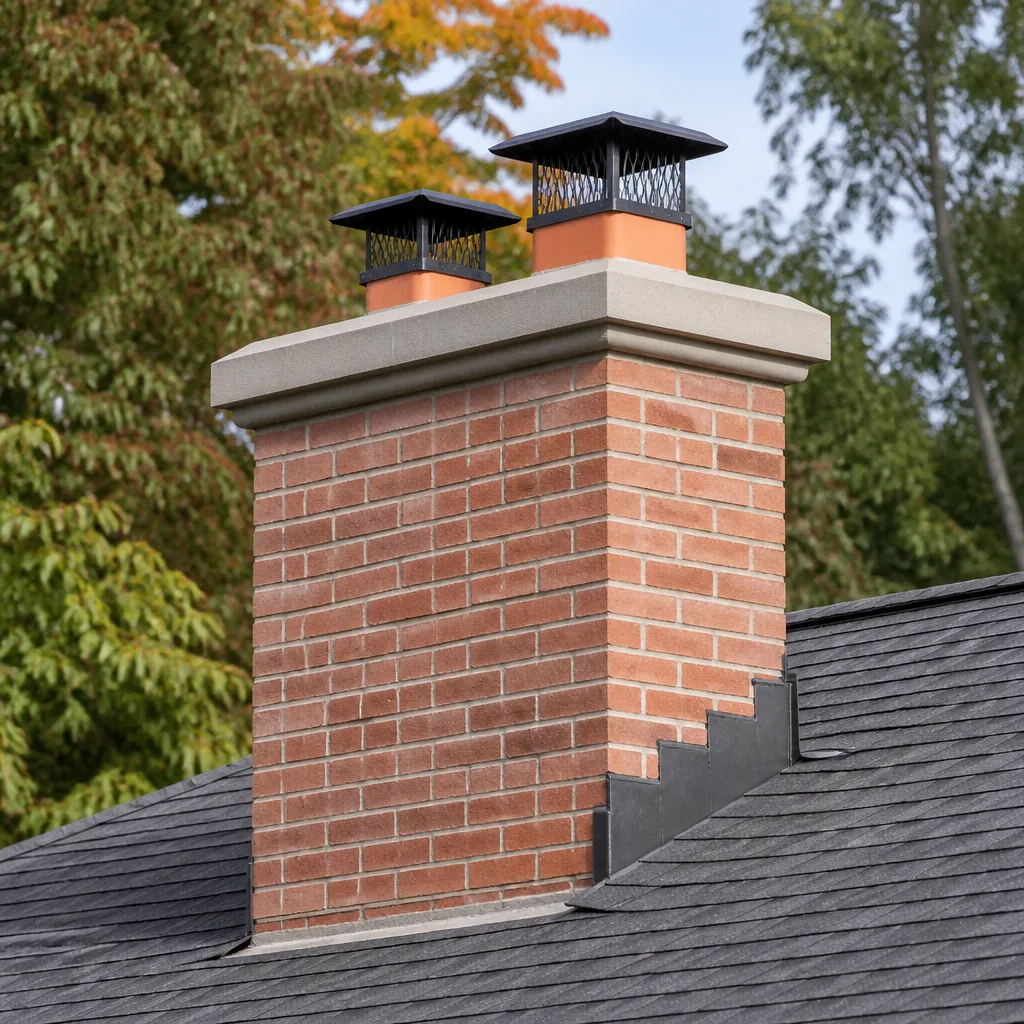 Caps & crowns
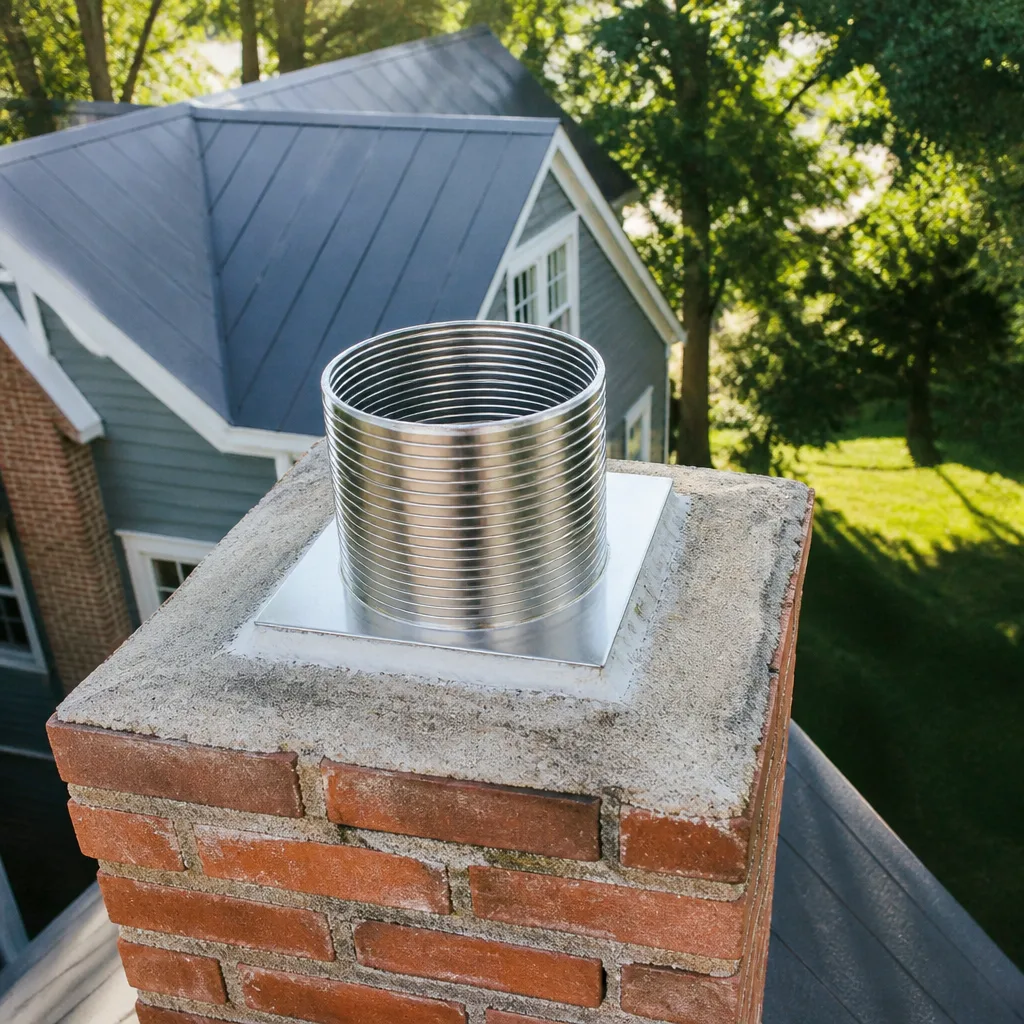 Flue relining
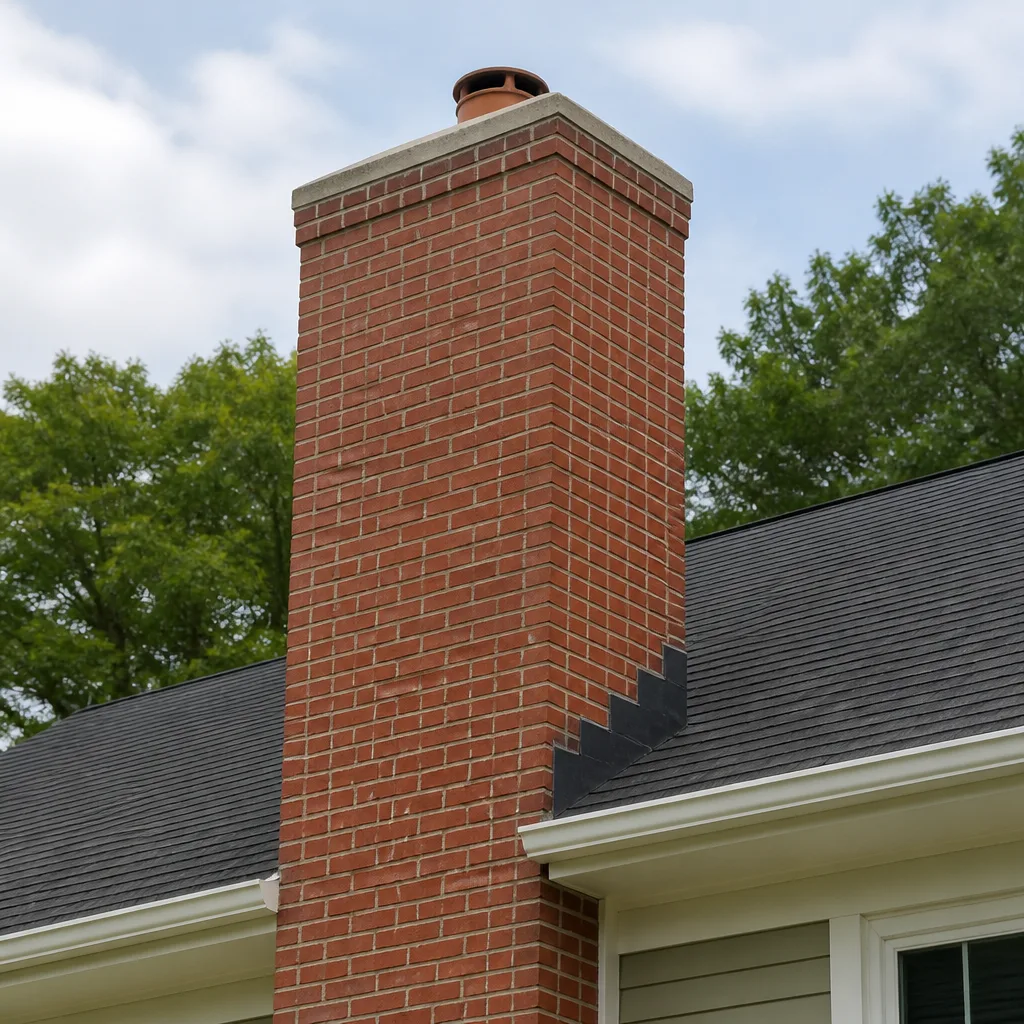 Masonry repair
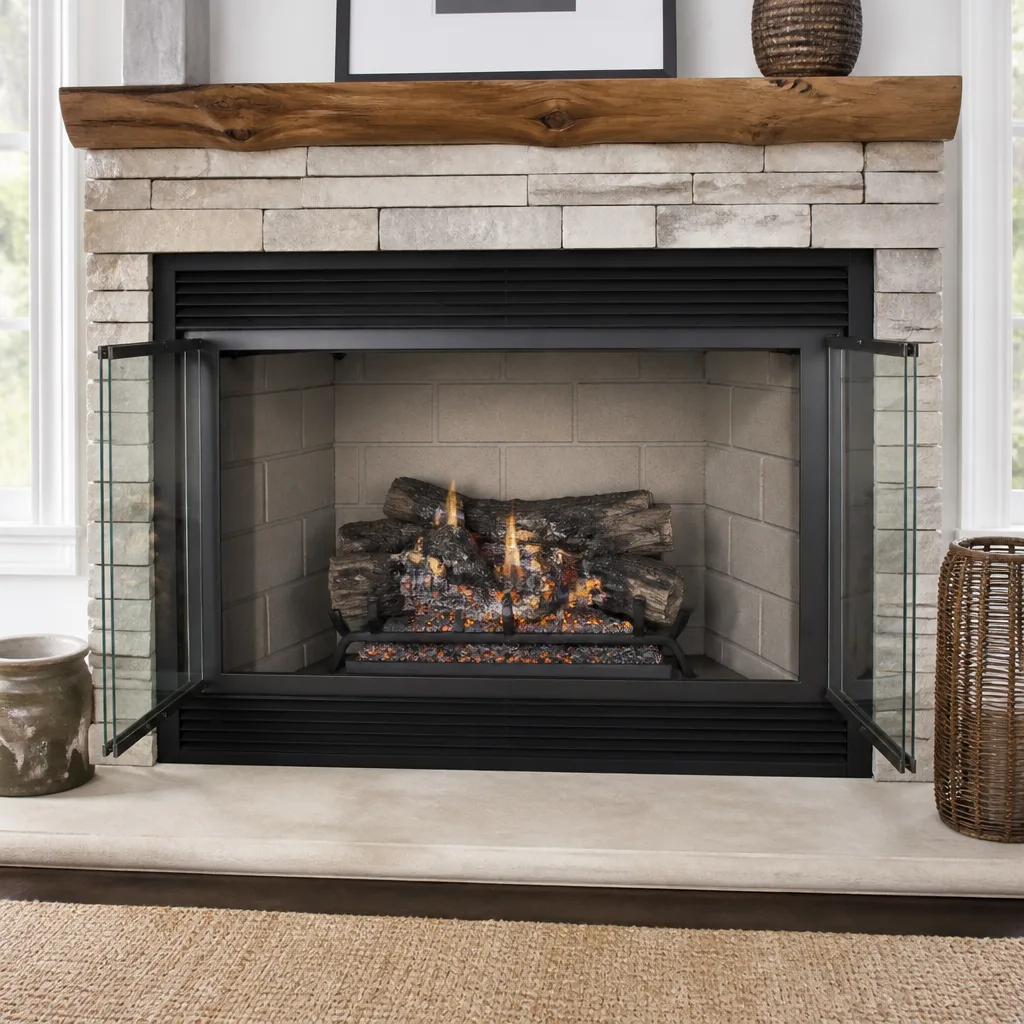 Gas fireplace service
Level 1 sweep and inspection to the NFPA 211 annual standard - flue, crown, cap, and flashing checked and photographed
Chimney sweep logs do not sweep chimneys. They loosen some creosote - which then falls where a brush and vacuum still have to collect it.
Fast, Reliable Chimney Inspection Across Central Park
If your chimney needs a look, our chimney inspection team works Central Park addresses and the historic blocks that ring it every week. A Level 1 or Level 2 inspection in Central Park usually runs $150 – $450 depending on how many flues and fireplaces the property has; you get a written report and photos, and there is no fee for the estimate. We know the difference between a park-adjacent prewar co-op and a brownstone a few blocks off Central Park West, and it changes how the job gets done. Call (877) 792-7321 to get an inspection booked.
Why Central Park Homeowners Call Chimney Sweep Black Rock for Chimney Inspection
Central Park is the largest park in Manhattan, and there are no residential buildings inside it. That means the work around here is all perimeter work, and the housing stock there is what we prepare for: 1880s – 1930s brownstones and prewar apartment buildings with original brick chimneys and flue tiles, many converted from coal to gas but still needing sweeping and liner inspection.
When we serve Central Park, we’re walking into buildings where a chimney isn’t one appliance on one roof. It’s a masonry and architectural stack with multiple fireplaces, often on a shared system with a gas-fired boiler. Getting that right requires knowing what a prewar flue looks like from the inside and coordinating with building management before anyone goes up.
Our technicians have up to 8 years of experience. They work with professional-grade materials, including HeatShield, Olympia Chimney, and Famco, and they treat a gas conversion as a reason to inspect more carefully, not less. For larger properties, an inspection finds what’s actually happening in each flue before anything gets quoted.
Styles & brands we work with
- Sweep & inspection
- Caps & crowns
- Flue relining
- Masonry repair
- Gas fireplace service
Our Chimney Inspection Services in Central Park
Level 2 Inspection in Central Park
The Level 2 inspection is the one most Central Park properties actually need. It covers the flue, firebox, damper, smoke chamber, and exterior stack with a camera, and it’s the right call after a fuel conversion, a change to the appliance, or a sale. In the tall prewar buildings on the park’s perimeter, that often means rooftop access and coordination with management, since several flues share a common chase.
Camera Inspection in Central Park
A camera inspection shows you the inside of the flue on a screen. On brownstones with offset or aged flue configurations, it’s the only way to see cracked tiles and first-degree creosote buildup without tearing into the masonry. We include the footage and photos in the report so you can see the defect yourself instead of taking our word for it.
Flue Inspection in Central Park
A flue inspection is focused: it looks at the liner, the joints, and the termination, and it answers whether the flue is venting cleanly. In the park-perimeter co-ops, the original coal-conversion flues are now shared with gas-fired boilers, and a flue inspection includes checking that the fireplace side is properly isolated from the boiler side to avoid cross-contamination.
Level 1 Inspection in Central Park
For a house or apartment with one appliance and a chimney that’s been maintained, a Level 1 inspection covers the accessible parts without the camera. It’s a quicker, lower-cost visit. In a Central Park-area brownstone with several fireplaces, it’s usually the wrong level; you want each flue looked at, not just the one you use most.
Level 3 Inspection in Central Park
A Level 3 inspection opens a defined part of the chimney to reach an area the camera cannot. It follows a specific finding from a Level 2, not a hunch. When a prewar stack shows a hidden defect behind the masonry, we scope exactly what gets opened and why, and the report documents what was found so the repair can be specified correctly.
Real Estate Inspection in Central Park
Pre-purchase and pre-sale inspections in the park’s perimeter buildings carry a different weight. Buyers want to know what the shared flues look like and what has been documented. We produce a written report with photos that a buyer, seller, or their attorney can actually use, and we’re clear about what can safely wait and what shouldn’t.
Trusted Brands We Service in Central Park
We work with professional-grade materials, and we install and service products from DuraFlex, HeatShield, Gelco, Olympia Chimney, Famco, and Copperfield. These are the kinds of liners and flue materials specified by chimney engineers, not whatever’s on the hardware store shelf. HeatShield resurfacing in particular lets us restore a deteriorating flue in many cases without the cost and disruption of a full liner replacement. We don’t stock parts in a truck or warehouse; materials are specified for the job, and turnaround is set by the written estimate, which we give you before you commit to anything.
Common Chimney Inspection Problems We See in Central Park Homes
The single most valuable thing an inspection does around Central Park is catch problems specific to how these buildings were built and converted. Here’s what comes up most.
- Overlooked shared coal-conversion flues in prewar buildings. Original coal flues were repurposed, and when they’re now shared with gas-fired boilers, the fireplace side has to be isolated to prevent cross-contamination. A generic inspection that treats each chimney as a standalone misses this.
- Assumed that a gas conversion eliminates the need for annual inspection. It doesn’t. Freeze-thaw cycles crack flue tiles, and a cracked tile on a gas appliance can let exhaust into the building. The conversion changes what you’re looking for, not whether you look.
- Skipped rooftop coordination with building management. On tall prewar stacks, access runs through the building, and a Level 2 can’t be done completely without that arrangement. Half a rooftop inspection is worse than an honest partial report.
- Debris and draft problems after a conversion. Homeowners notice drafts or debris and assume the appliance is failing, when the usual cause is a deteriorated flue liner or a smoke chamber clogged with first-degree creosote from previous solid-fuel use. A camera inspection settles it.
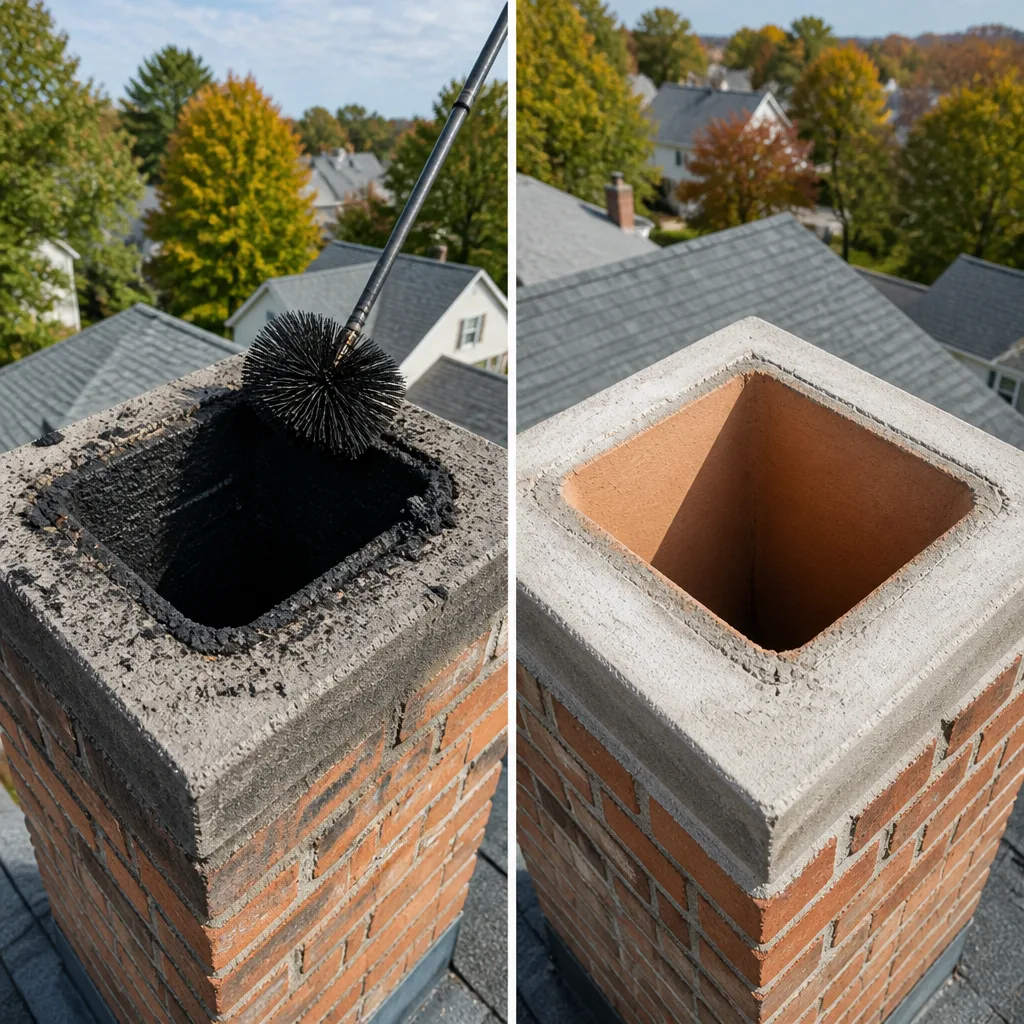
See the difference
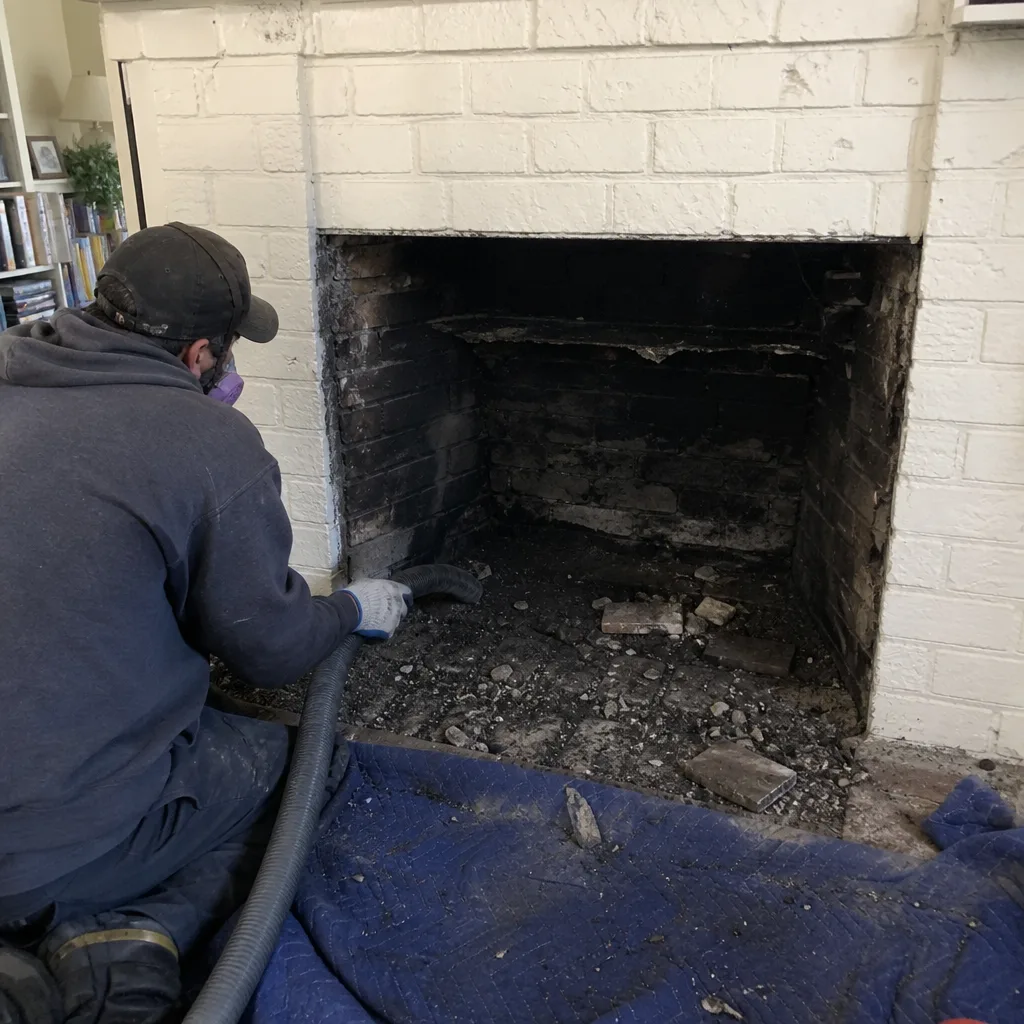 Before
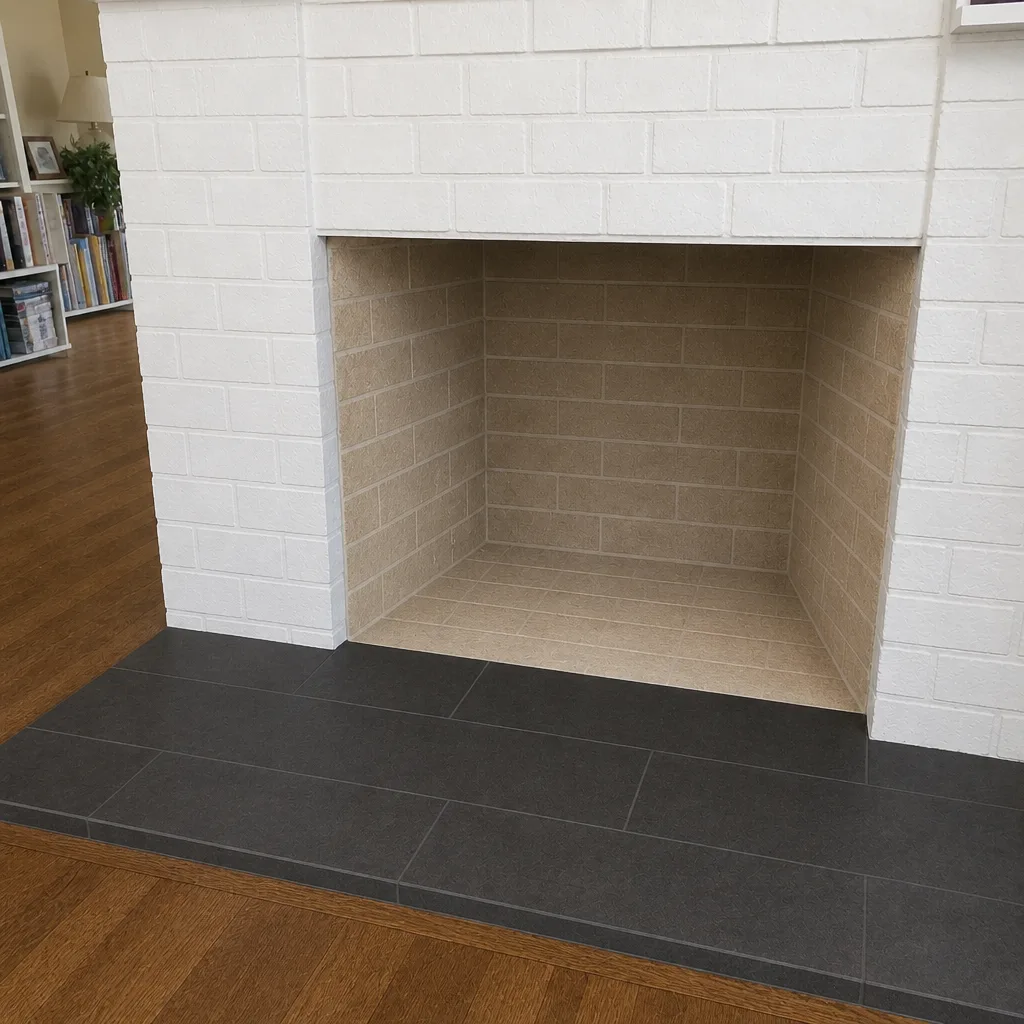 After
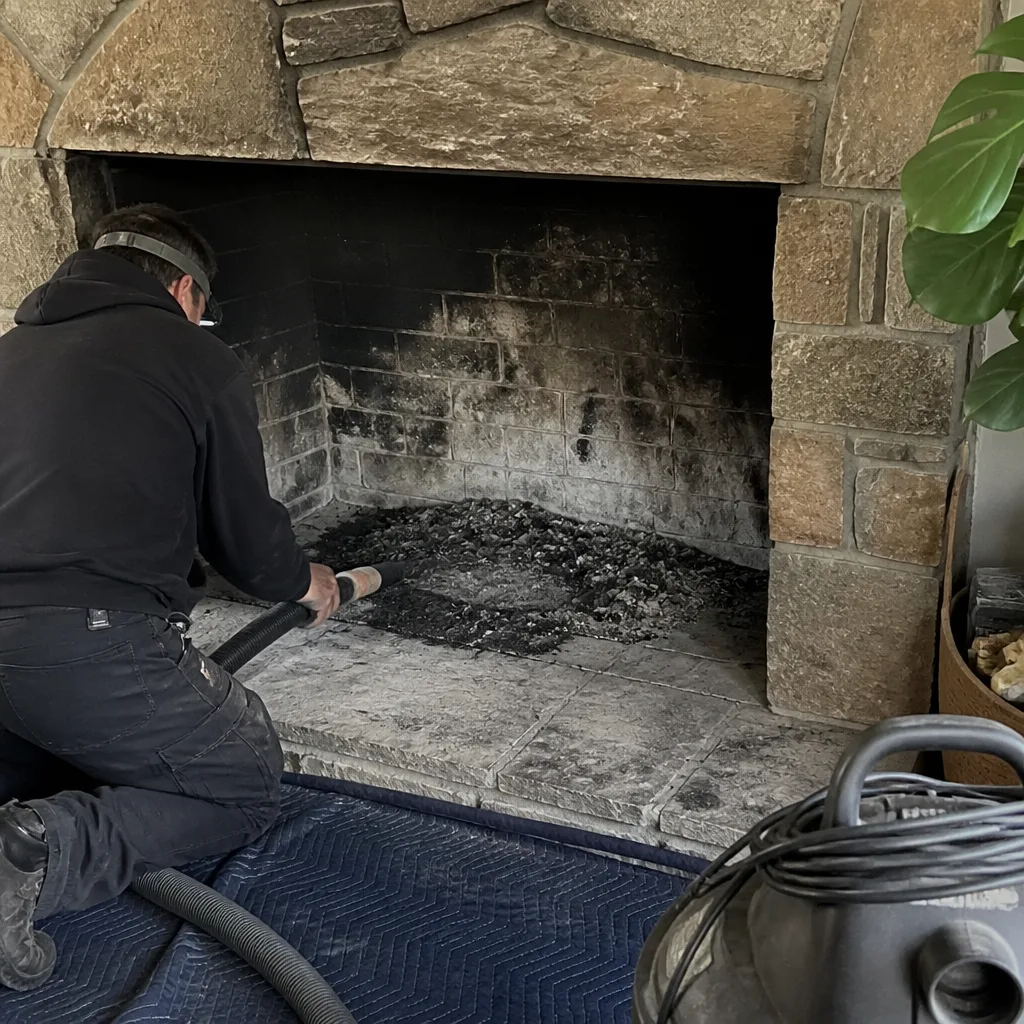 Before
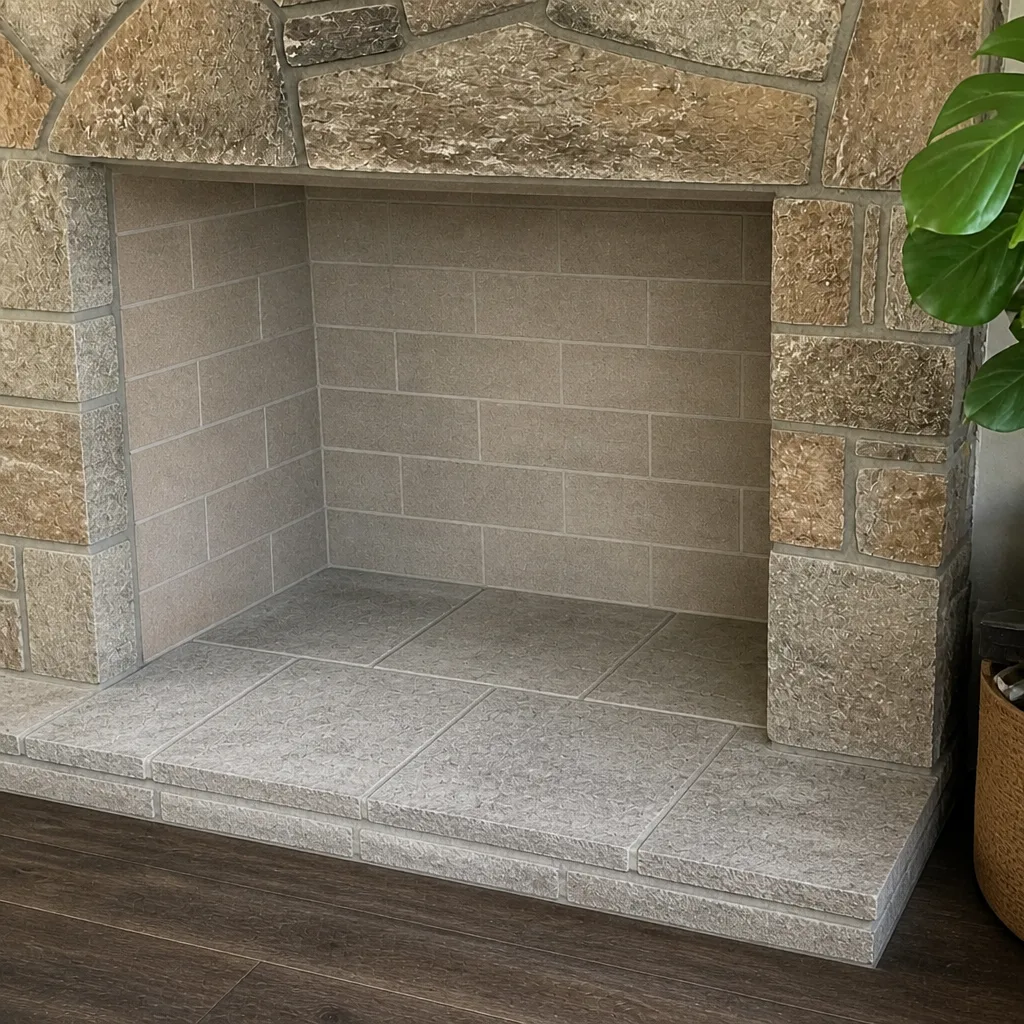 After
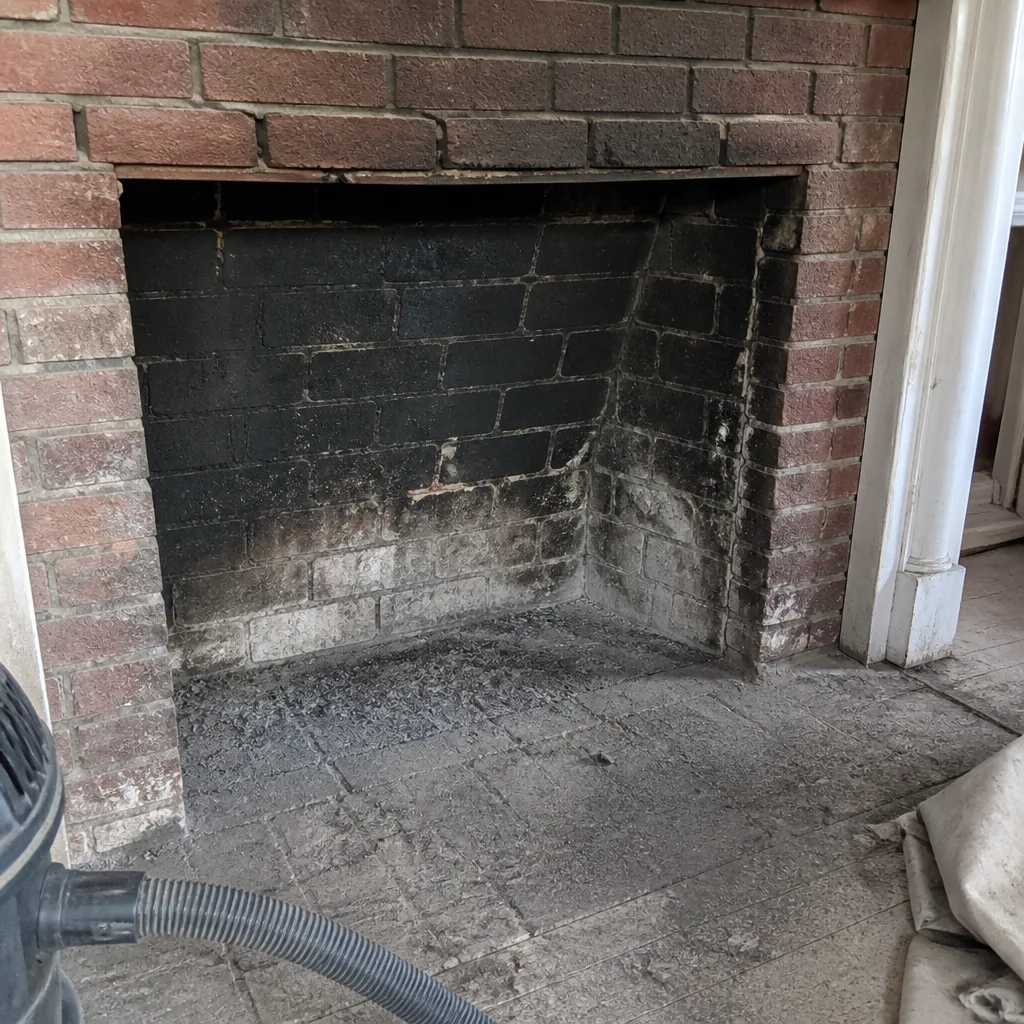 Before
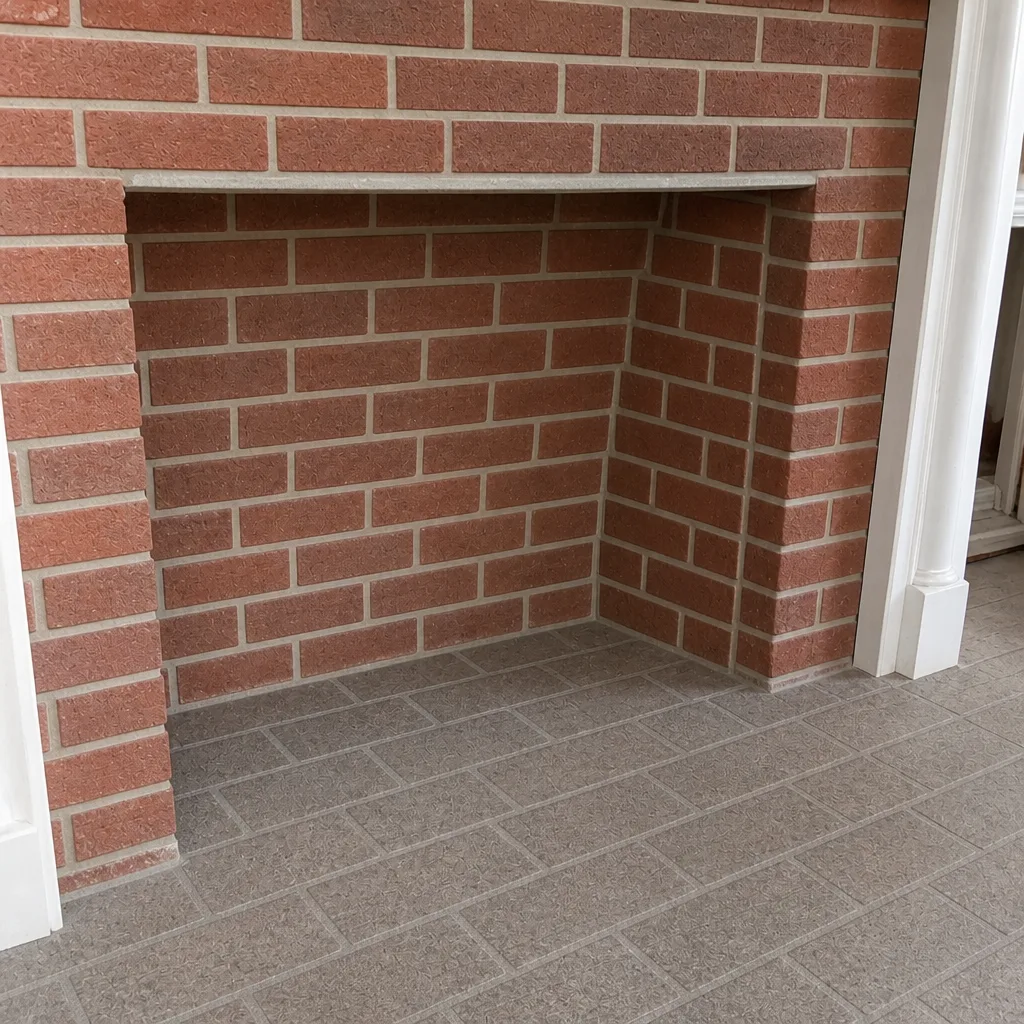 After
Why Central Park Properties Need a Different Kind of Inspection
The Central Park West prewar co-ops are the reason this page reads differently from a generic inspection page. In those buildings, a sweep has to coordinate with building management and often works from rooftops, because the original coal-conversion flues are now shared with gas-fired boilers. Isolating the fireplace flue from the boiler flue isn’t optional; it’s what keeps exhaust going where it should. That’s a rooftop-and-management job, and it requires knowing the building before you climb it.
Central Park’s climate adds to it. Cold, snowy winters bring freeze-thaw cycles that crack masonry and let moisture into chimneys, and hot, humid summers promote creosote buildup. Coastal storms can push downdrafts down tall stacks. In a house with several appliances, that adds up to an annual inspection regime rather than a one-time visit. A brownstone with multiple fireplaces and a boiler should be inspected each year, with a camera look at each flue so a new crack gets caught before it becomes a liner problem.
A typical job here usually starts with a homeowner noticing draft problems or debris after a gas conversion. That prompts a Level 2 inspection, which typically finds a deteriorated flue liner or a smoke chamber packed with first-degree creosote from earlier solid-fuel use. The pro does a camera inspection, checks the damper and firebox for spalling, and recommends a HeatShield or stainless liner to restore safe venting. Nothing is recommended without footage you can see for yourself, and some findings can safely wait until the next opening in the season.
Pricing for Chimney Inspection in Central Park, NY
A typical Level 1 inspection in Central Park runs $150 – $250 for a single-flue property. A Level 2 inspection, which is what most brownstones and prewar co-ops here need, runs $250 – $450 and includes the camera work. A Level 3 inspection, which opens a defined part of the chimney, runs $400 – $900 depending on how much gets opened and closed. Real estate inspections sit in the $300 – $500 range for a standard multi-flue report. What moves the number is the count of flues and fireplaces, rooftop access and management coordination on tall stacks, and whether hidden defects need to be opened. The written estimate sets the final price, and the estimate itself is free. Call (877) 792-7321 for an exact quote.
We Also Serve Cities Near Central Park
We serve Central Park and the surrounding areas, so if you’re just outside the park’s perimeter you’re covered. We also inspect chimneys in Central Park‘s neighboring communities, including Parkside, University Heights, North Buffalo, and Kensington. Same approach on each: camera evidence in the report, professional-grade materials specified, one company from inspection through repair.
Serving Central Park, NY – Our Local Coverage Area
We serve Central Park and nearby communities. Use the map below to see the area we cover. If you’re nearby, we can almost certainly help.
FAQs – Chimney Inspection in Central Park
Because the original coal-conversion flues in those buildings are often shared with gas-fired boilers, and the fireplace side has to be verified as properly isolated to avoid cross-contamination. A Level 2 covers the shared chase and connection points with a camera, which a Level 1 can’t. Call (877) 792-7321 for an exact quote on your building.
Once a year. With more than one appliance and multiple flues, annual inspection catches a cracked tile or new creosote before it becomes a liner failure, and Central Park’s freeze-thaw winters make that timing matter. If you’ve had a conversion or added an insert, get a Level 2 first. Call (877) 792-7321 to schedule.
It includes the flue, firebox, damper, smoke chamber, and exterior stack, plus camera footage of the liners and a written report with photos. On taller prewar stacks it also includes rooftop access and coordination with building management. You get the report whether or not you book repairs. Call (877) 792-7321 for a free estimate.
Yes. Water gets into masonry, freezes, expands, and cracks it, and repeated cycles open the joints further. On these buildings that means a hairline crack in a flue tile can widen into a real venting problem. An annual inspection catches it while it’s still small. Call (877) 792-7321 for an exact quote.
We install and service HeatShield, DuraFlex, Olympia Chimney, and Gelco liners, among the professional-grade materials we work with. In the prewar flues around the park, HeatShield resurfacing is often the right fit because it restores a deteriorated flue without a full replacement. Specifying the right liner follows the inspection, not the other way around. Call (877) 792-7321 and we’ll talk through what your flue needs.
If your chimney hasn’t been looked at this season, an inspection tells you what’s actually going on inside it before you spend money on a repair you may not need. Call (877) 792-7321 for a free estimate. We answer 24/7. Fast dispatch from 7am to 7pm, Sunday through Friday.
Written by the team at Chimney Sweep Black Rock.