
Last updated November 24, 2026
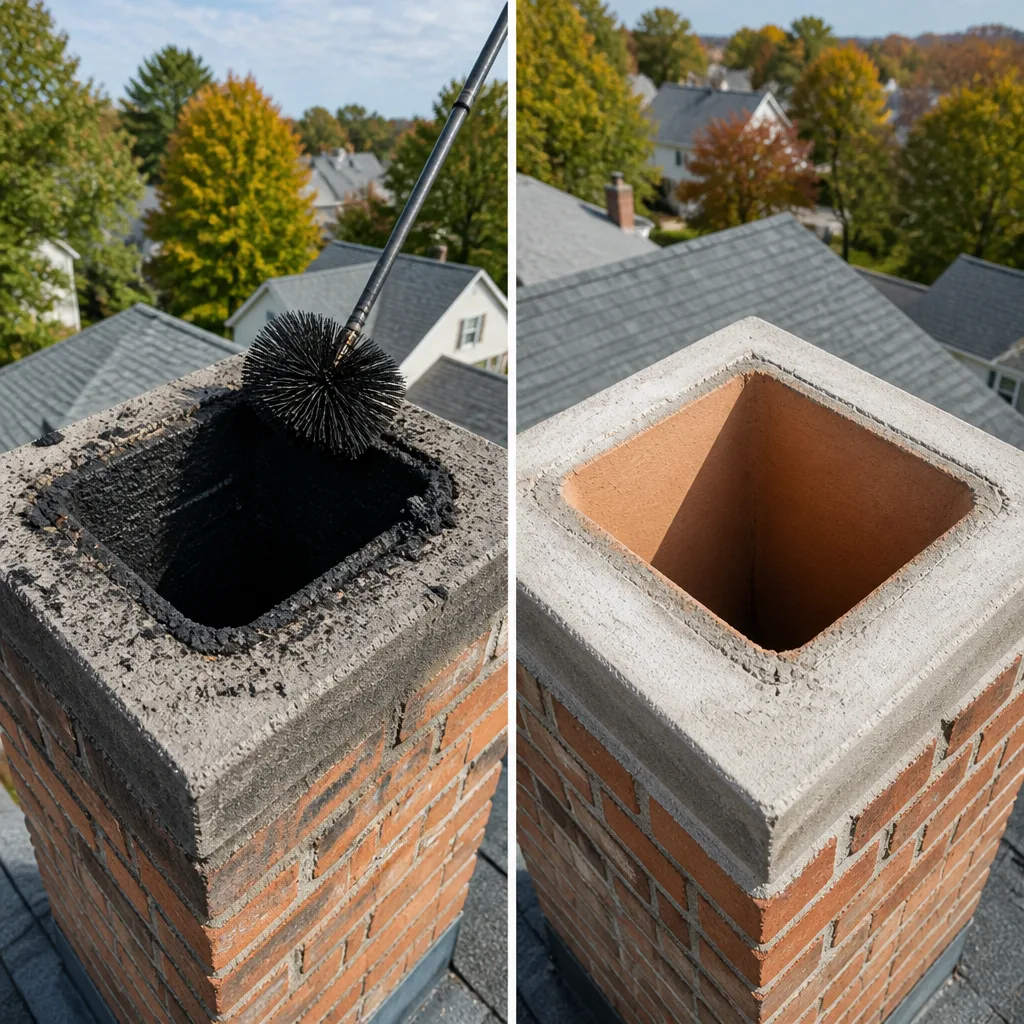 Sweep & inspection
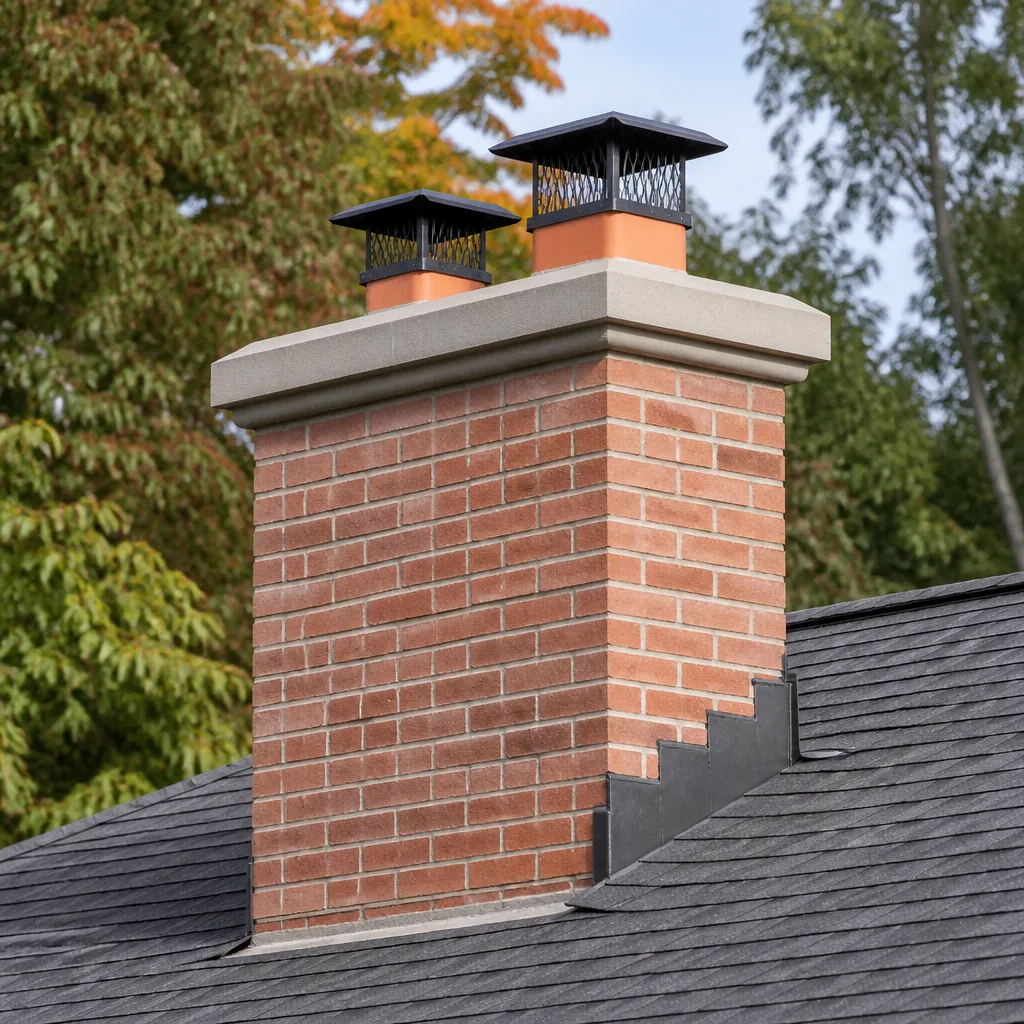 Caps & crowns
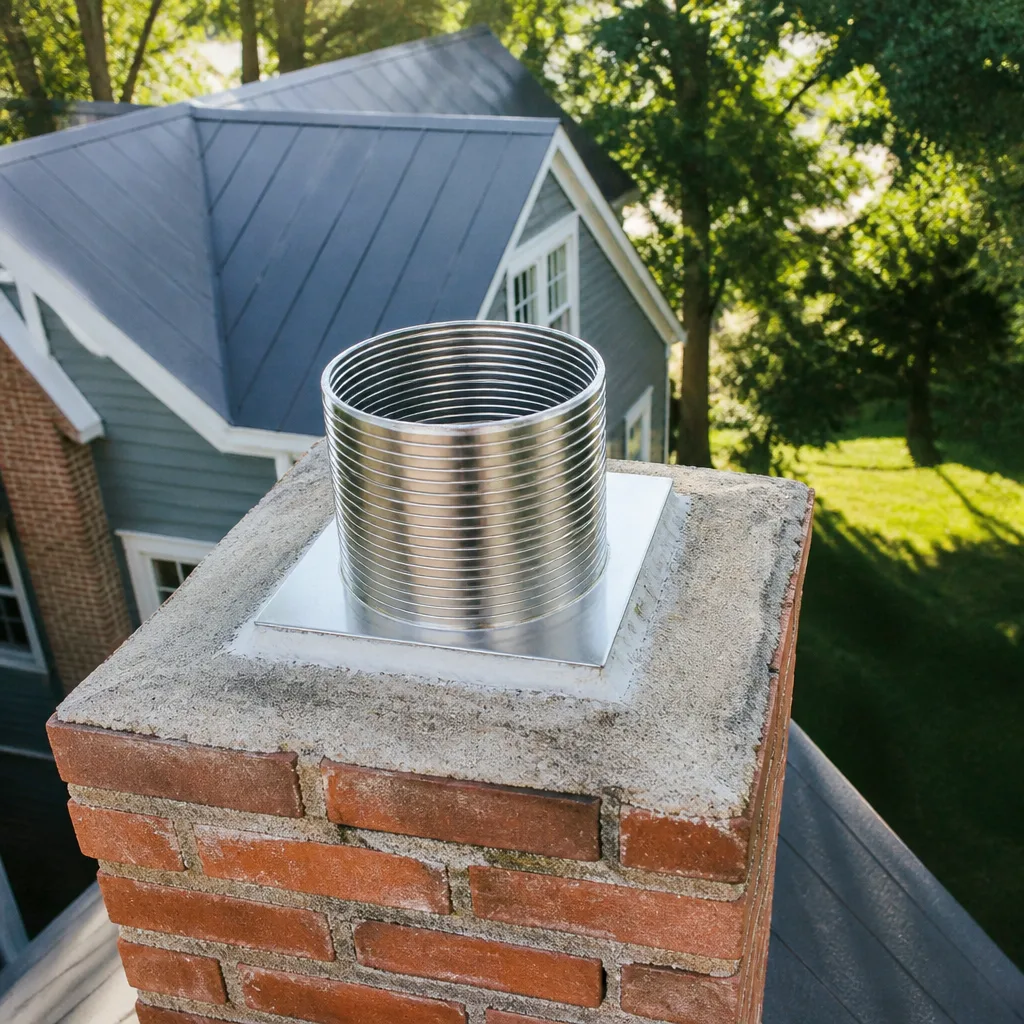 Flue relining
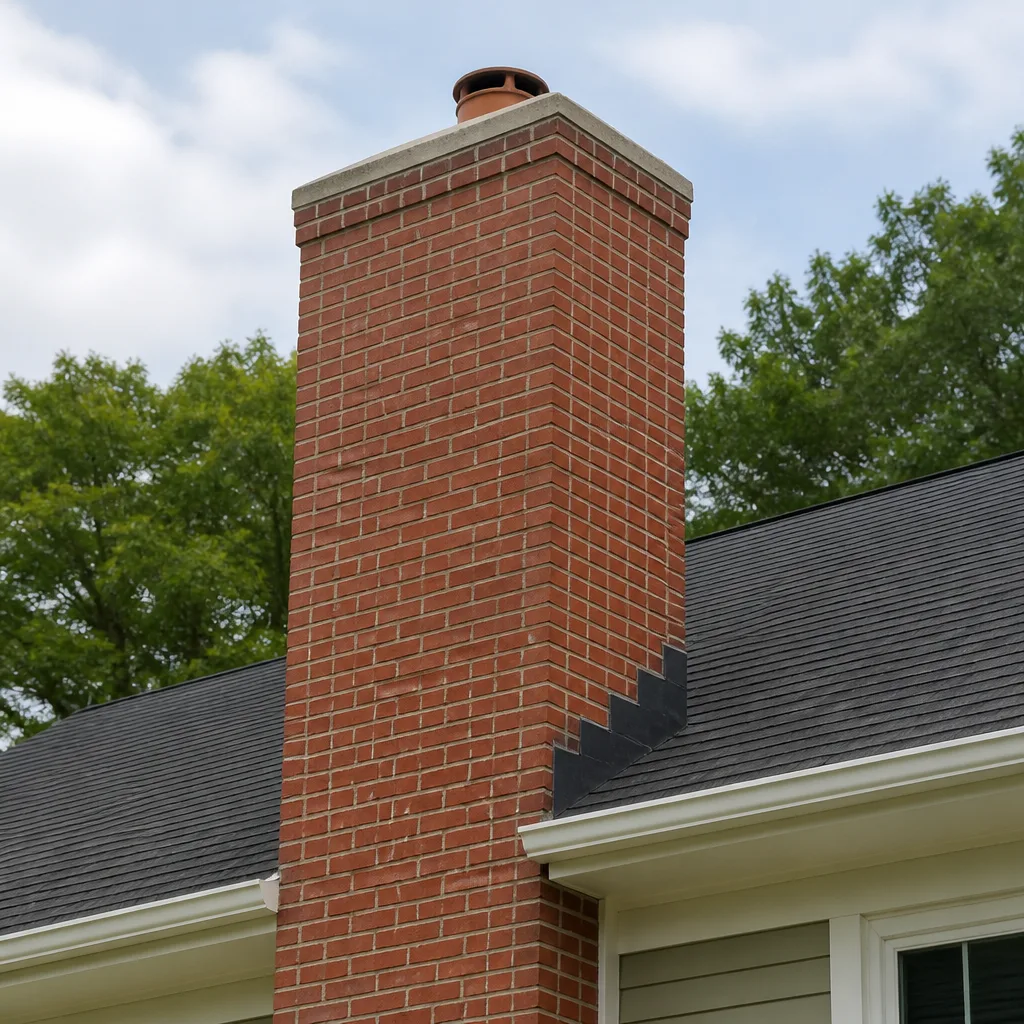 Masonry repair
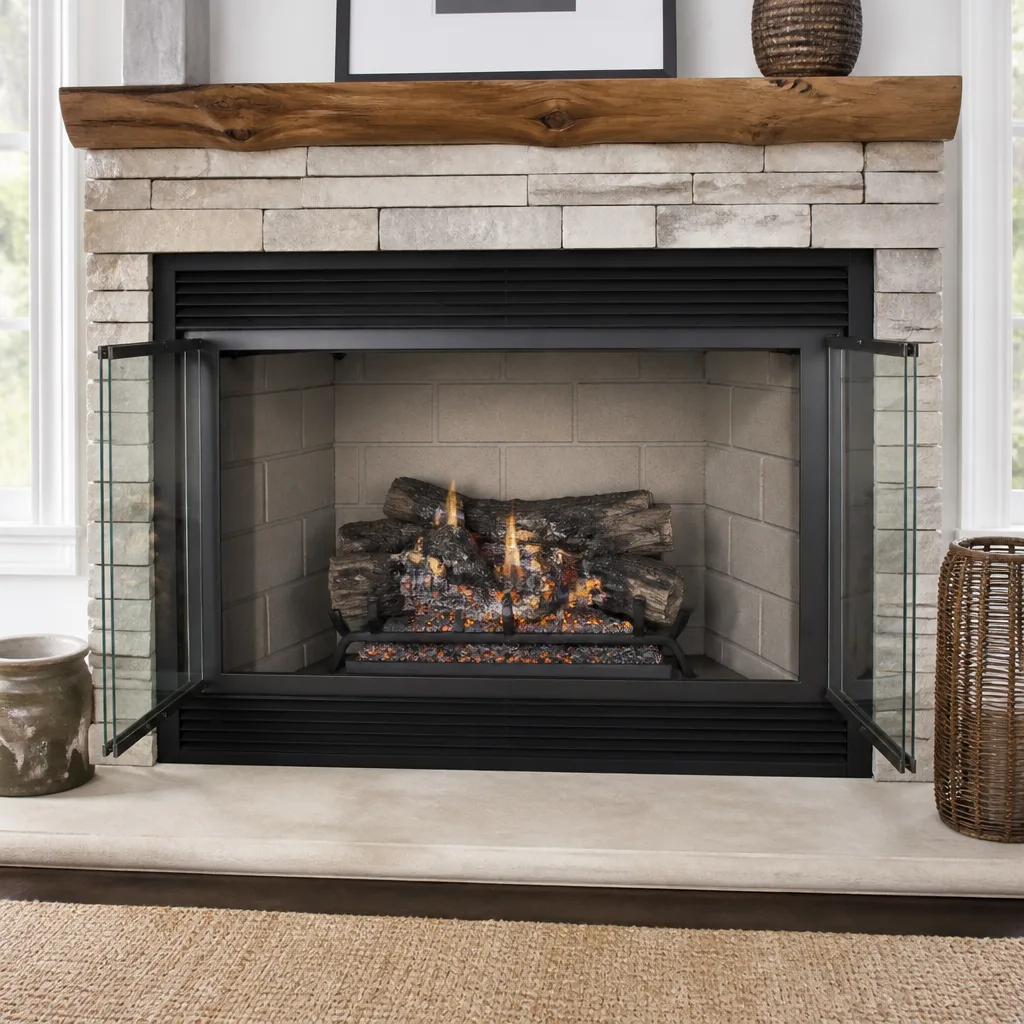 Gas fireplace service
Level 1 sweep and inspection to the NFPA 211 annual standard - flue, crown, cap, and flashing checked and photographed
Chimney sweep logs do not sweep chimneys. They loosen some creosote - which then falls where a brush and vacuum still have to collect it.
Chimney Cleaning Emergency Preparedness Guide for Black Rock Homes
A chimney fire doesn’t always announce itself with visible flames. A low-intensity creosote fire can burn inside a clay liner for hours while the only symptom is a slightly different smell and a damper that feels unusually hot to the touch. Most homeowners picture a roaring blaze shooting from the chimney top, so they wait, and waiting is the one thing that turns a manageable flue problem into a structural one. In this guide we’ll walk through how to recognize an active chimney fire by sound, smell, and sight, the exact response sequence to follow (and the dangerous moves to avoid), how carbon monoxide sneaks into Black Rock homes through chimney systems, and how to document damage so an insurance adjuster takes your claim seriously.
Quick Answer
If you suspect a chimney fire in your Black Rock home, get everyone outside, call 911, and don’t open the damper or throw water down the flue. After the fire department clears the scene, no fireplace or wood stove should be used again until a certified inspector performs a Level 2 inspection of the flue and any damaged components are repaired. A chimney fire is an emergency during the burn and a documented inspection event after it.
Styles & brands we work with
- Sweep & inspection
- Caps & crowns
- Flue relining
- Masonry repair
- Gas fireplace service
Table of Contents
- How to Recognize an Active Chimney Fire in Black Rock
- The Correct Immediate-Response Sequence for a Chimney Fire
- Carbon Monoxide Risk Specific to Chimney Systems
- What “Do Not Use” Means After a Chimney Fire
- Preventing Chimney Emergencies Before Heating Season
- Documenting Chimney Emergency Damage for Insurance Claims
- Sudden Draft Failure and Smoke Backup: What to Do
- Building a Chimney Emergency Prep Kit for Your Black Rock Home
How to Recognize an Active Chimney Fire in Black Rock
Chimney fires come in two broad categories: the dramatic, noisy kind most people imagine, and the quiet, low-oxygen kind that can smolder in a creosote-glazed liner for hours without anyone noticing. The second type is often more damaging. Because it burns slowly and at lower temperatures on the surface, it can degrade a clay liner through repeated thermal shock without ever producing the roar or the visible plume that would send a homeowner running outside.
Watch and listen for these signals:
- Sound: A low rumble, a popping or crackling that sounds like distant firecrackers, or a whooshing noise that resembles a small engine running inside the flue.
- Smell: A sharp, hot, almost metallic odor inside the house, or smoke that smells different from normal wood smoke – hotter, drier, less woody.
- Sight: Dense smoke or sparks rising from the chimney top, glowing visible at the cap, or a chimney pipe that looks or feels hotter than usual to the touch.
- Touch: A damper handle, stovepipe, or chimney breast that feels significantly warmer than it should during a normal burn.
- Inside the firebox: A fire that won’t behave – flames that pull unnaturally up the flue, or a fire that seems to be burning in the chimney itself rather than on the grate.
The low-intensity fires we’ve seen most often in this part of Rockland County involve glazed creosote that ignites at the top of the flue during a hot reload. They don’t put on a show. They just quietly cook the liner until it cracks or de-laminates. If your damper feels hotter than usual, or your fireplace smells different while burning, treat it as a possible event and act.
The Correct Immediate-Response Sequence for a Chimney Fire
When a chimney fire is active, seconds matter and the wrong action can make things worse. The instinct people have – throwing water down the flue or opening the damper to let the fire “breathe” – can crack a hot liner from thermal shock or feed oxygen to a fire that was beginning to starve. Follow this sequence instead:
- Get everyone out of the house. Move people and pets outside and away from the chimney side of the structure.
- Call 911. Even a fire that seems to have subsided should be reported – the fire department can check attic and roof spaces for extension.
- Close the damper if you can do it safely. Starving the fire of oxygen from the firebox side is the correct move, not the opposite. Do this only if it doesn’t require you to stand in smoke.
- Close glass doors on the stove or fireplace. Same reasoning: limit air.
- Do not throw water down the chimney. The thermal shock can crack a clay liner or warp a metal one.
- Do not put a garden hose on the roof. Height, slippery surfaces, and an active flue make this dangerous.
- Wait for the fire department, then keep the flue out of service until inspected. Note the time, the sounds, the visible signs, and any smoke inside the home – you’ll need these for insurance.
Once the fire is out, no one should light another fire in that fireplace until a Level 2 inspection has been performed. We’ll cover exactly what that inspection looks for in a later section.
Carbon Monoxide Risk Specific to Chimney Systems
Carbon monoxide is the second chimney emergency most Black Rock homeowners underestimate. Chimneys don’t just carry smoke; they carry combustion gases, and one of those gases is invisible, odorless, and lethal at low concentrations over long exposure. The chimney is also the reason CO doesn’t normally enter your living space – the draft pulls it up and out. When that draft fails, CO has nowhere to go but back into the room.
The conditions that lead to CO infiltration in chimney systems fall into a few recognizable buckets:
- A blocked or partly blocked flue. Bird nests, leaf debris, failed mortar joints, and dislodged liner tiles all restrict the flue’s cross-section.
- A failing or missing liner. A cracked clay liner lets combustion gases migrate into the surrounding masonry cavity and from there into gaps in the house structure.
- Backdraft from pressure imbalances. Modern tight homes with strong exhaust fans (kitchen, bath, dryer) can pull against the chimney’s natural draft, particularly during cold-start cycles.
- A cold flue that hasn’t warmed. In Black Rock winters, a cold exterior chimney can fail to establish draft until it warms up, pushing the first few minutes of combustion gases into the room.
- A gas appliance vented into an oversized or deteriorated flue. A water heater or furnace flue that’s too big for its appliance can’t maintain draft at low firing rates.
Detection matters as much as the source. Place CO alarms on every level of the home, near sleeping areas, and anywhere a fuel-burning appliance or fireplace is in regular use. Check the manufacturer’s recommended placement for the specific unit, and test the alarms seasonally. A CO alarm is not a substitute for a chimney inspection – it’s the backup to one.
What “Do Not Use” Means After a Chimney Fire
When a fire department or inspector tags a chimney as “do not use,” that instruction is not just a suggestion. It’s a finding that the flue cannot currently carry combustion safely, regardless of how the fireplace looks from the living room. A firebox that appears intact after a chimney fire can hide a liner that is cracked along its length, mortar joints that have lost their bond, or a crown that has lost its seal.
Before any fire can be lit again, the inspection protocol calls for a Level 2 inspection – a camera-aided look at the entire flue, plus a visual exam of accessible portions of the chimney exterior and adjoining spaces. A post-fire Level 2 inspection typically covers:
- Full flue scan by camera, looking for cracks, gaps, spalling, offset joints, and any signs of glazed creosote re-deposited from the fire.
- Liner integrity assessment – is the existing clay or metal liner still structurally sound, or has it been compromised?
- Crown and cap inspection – both are common weak points after a fire, and both allow water in when they fail.
- Firebox and smoke chamber assessment for cracks and mortar damage.
- Exterior masonry inspection for visible damage, joint separation, and any signs of heat transfer through the wall.
- Adjacent combustibles check – clearances to framing, insulation, and other materials that may have been exposed to high heat.
Only after that inspection is completed can a decision be made: repair and return to service, or some level of rebuild. Just as importantly, if the liner is deteriorated but still largely intact, restoration methods exist that we use in Black Rock homes – HeatShield resurfacing can rebuild a compromised clay flue from the inside without full liner replacement, which often makes the difference between a restoration and a reconstruction.
Preventing Chimney Emergencies Before Heating Season
The single most reliable way to reduce chimney-fire risk is to keep the flue clear of the creosote that fuels them. Every chimney fire needs fuel, and that fuel is the unburned wood byproduct that accumulates on the flue walls. In a Black Rock home that burns regularly through the heating season, creosote deposits build fastest when the fire is run cool, with damp wood, or with the damper restricted for long periods.
The annual routine that prevents most chimney emergencies looks like this:
- Schedule a chimney sweep before the first cold snap. Late summer and early fall fill up first – book before the heating season starts.
- Get an inspection alongside the sweep. The sweeping clears the flue; the inspection tells you what the camera sees in the areas the brush can’t reach.
- Inspect the cap and crown. Water intrusion through a cracked crown or missing cap is the leading cause of the masonry deterioration that makes a liner fail. Our chimney cap & crown work addresses both, and it’s part of the same visit.
- Burn seasoned wood. Wet wood creates more creosote. Seasoned firewood produces less.
- Don’t run the fire choked down for long stretches. A smoldering fire is a creosote factory.
- Test smoke and CO alarms. Replace batteries, test each unit, and confirm placement and coverage in every bedroom area.
- Walk the exterior once a year. Look for missing mortar, a leaning chimney, efflorescence (white powdery staining that suggests water migration), or a rusted or missing cap.
None of this is exotic. It’s the routine that separates a chimney that lasts decades from one that forces a rebuild after a single hot season. Chimney problems don’t get cheaper with time – a cracked crown today becomes a liner failure tomorrow.
Documenting Chimney Emergency Damage for Insurance Claims
Insurance adjusters work from documentation. A homeowner’s verbal description of “smoke and heat” is not the same as a written inspection report with photographs and clear measurements, and the difference often decides how much of the claim is covered. If you have a chimney fire or a CO event, treat documentation as part of the emergency response itself.
What an adjuster will want to see:
- Fire department report number and any incident notes from the responding crew.
- A written inspection report from a qualified chimney professional, including the Level 2 inspection findings and photos of each damaged component.
- Date-stamped photographs of the firebox, flue (interior camera shots where possible), crown, cap, and any visible interior damage.
- An itemized repair estimate – line items, not a lump sum – that a claims reviewer can map against the report.
- Documentation of any prior inspection and sweeping showing that the chimney was being maintained.
We approach post-fire inspection as an evidence-gathering visit as much as a diagnostic one. Camera footage from inside the flue, photographs of the crown and cap, and a written report of what the inspection found and what we recommend as a result all go in the file. Nothing is recommended without evidence you can see for yourself, which is also what your adjuster needs to approve the work. If the liner is compromised but restorable, HeatShield and DuraFlex options can be documented as restoration scope – often a smaller and faster claim than full replacement.
Sudden Draft Failure and Smoke Backup: What to Do
Draft failure is the third emergency class, and in this region it often arrives on a cold morning when a fire is first lit. You smell smoke in the room, the fire won’t draw, and the smoke alarm in the next room starts chirping. The cause is usually one of three things: a flue that was blocked but not yet noticed, a pressure problem in the house, or a chimney that’s simply too cold to establish upward flow.
If smoke is backing into the room:
- Open a window or door on the windward side of the house to relieve negative pressure.
- Extinguish the fire if it’s still active and let the firebox cool.
- Turn off exhaust fans (kitchen, bath, dryer) – they may be pulling against the chimney.
- Don’t relight until the flue has been inspected. A draft failure with no fire burning is a nuisance; a draft failure on an active fire is a CO event.
We see this pattern most often in older homes where the original flue was sized for a different appliance or in homes where a recent remodel tightened the building envelope without re-evaluating the chimney’s air supply. It’s also common after a cap or crown has been damaged and debris has worked its way down. If you can’t establish draft reliably, the flue needs to be looked at before the next fire.
Building a Chimney Emergency Prep Kit for Your Black Rock Home
You don’t need much, but the items you do need should live in one place, and everyone in the household should know where that place is. A chimney emergency is not the moment to be opening drawers.
- CO alarms on every level, tested and with fresh batteries.
- Smoke alarms in each bedroom area and on every level, tested.
- A fire extinguisher rated for wood and paper fires near the hearth, plus a second on the way out.
- A home escape plan, written down, practiced, with a meeting point outside.
- The fire department’s non-emergency number posted for post-fire follow-up (911 for the event itself).
- A binder or folder for inspection reports, sweeping records, and any insurance documentation.
- A flashlight kept near the firebox for inspecting the firebox or reading a damper position at night.
Pair the kit with a small habit: after every fire season, walk the exterior once and check the cap, crown, and masonry for changes. That five-minute walk catches most of the water-intrusion issues that later become liner failures, and liner failures are the direct precursor to most of the chimney emergencies we’re called to. If something looks off, it’s worth an inspection, and an inspection is a low-cost way to know for sure.
Common Mistakes to Avoid
- Opening the damper during a chimney fire. The instinct is wrong. More air feeds the fire. Close the damper and any glass doors if you can do it safely.
- Throwing water down the flue. Thermal shock can crack a hot liner from the inside, turning a contained fire into a structural repair.
- Relighting “just to see if it’s fine” after a fire. Nothing is reliable until a Level 2 inspection clears the flue, and the fire may still be smoldering in a hidden creosote pocket.
- Skipping the annual sweep because the fire “burned fine all winter.” Clean burning and safe flue conditions are not the same thing, and a glazed creosote deposit doesn’t announce itself through the firebox.
- Treating the cap and crown as cosmetic. In Rockland County, water is the most common cause of chimney deterioration, and the crown is where it gets in first.
- Documenting the damage in a phone call, not in writing. Insurance adjusters work from reports and photos. A verbal description of “a chimney fire happened” is not enough to support the claim.
- Calling a general contractor instead of a chimney specialist. A chimney fire requires flue-specific knowledge – liner material, camera inspection, crown work, and appliance venting – that most generalists don’t carry in a single visit.
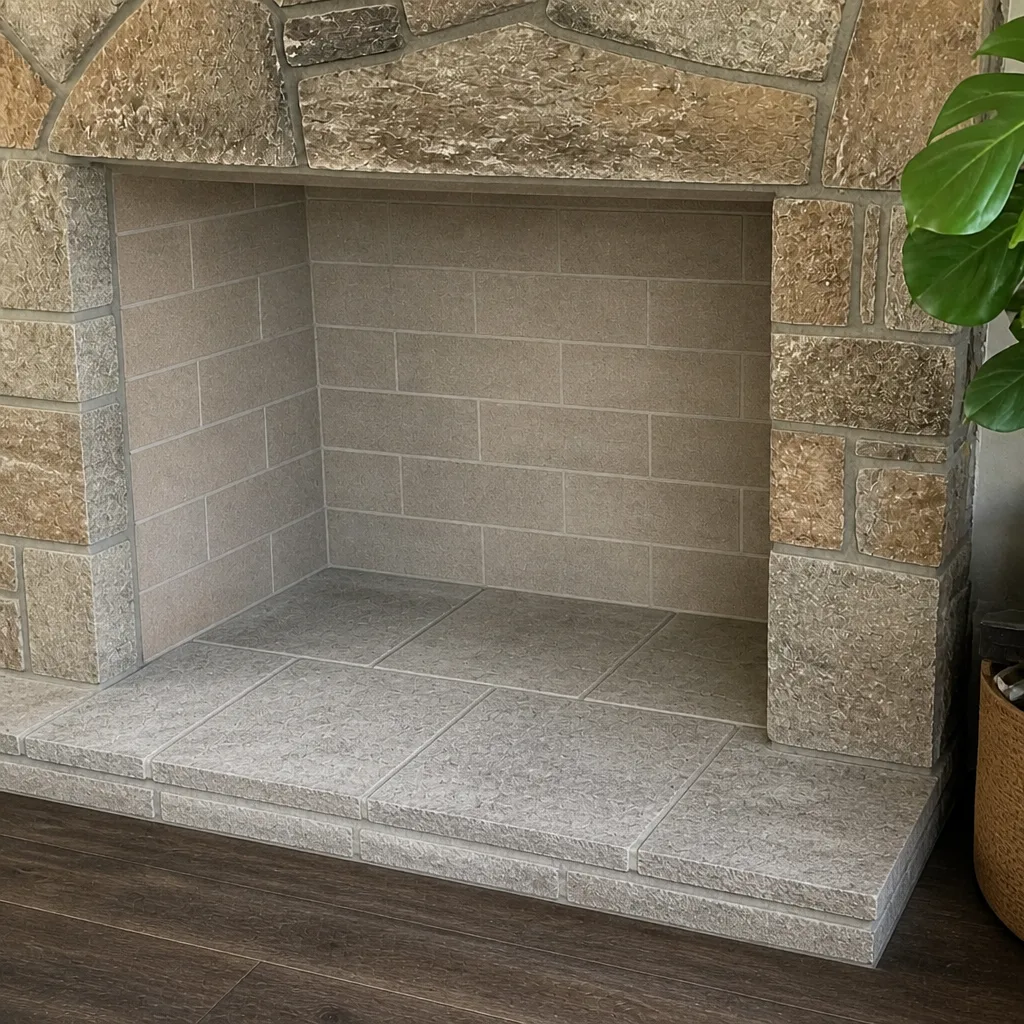
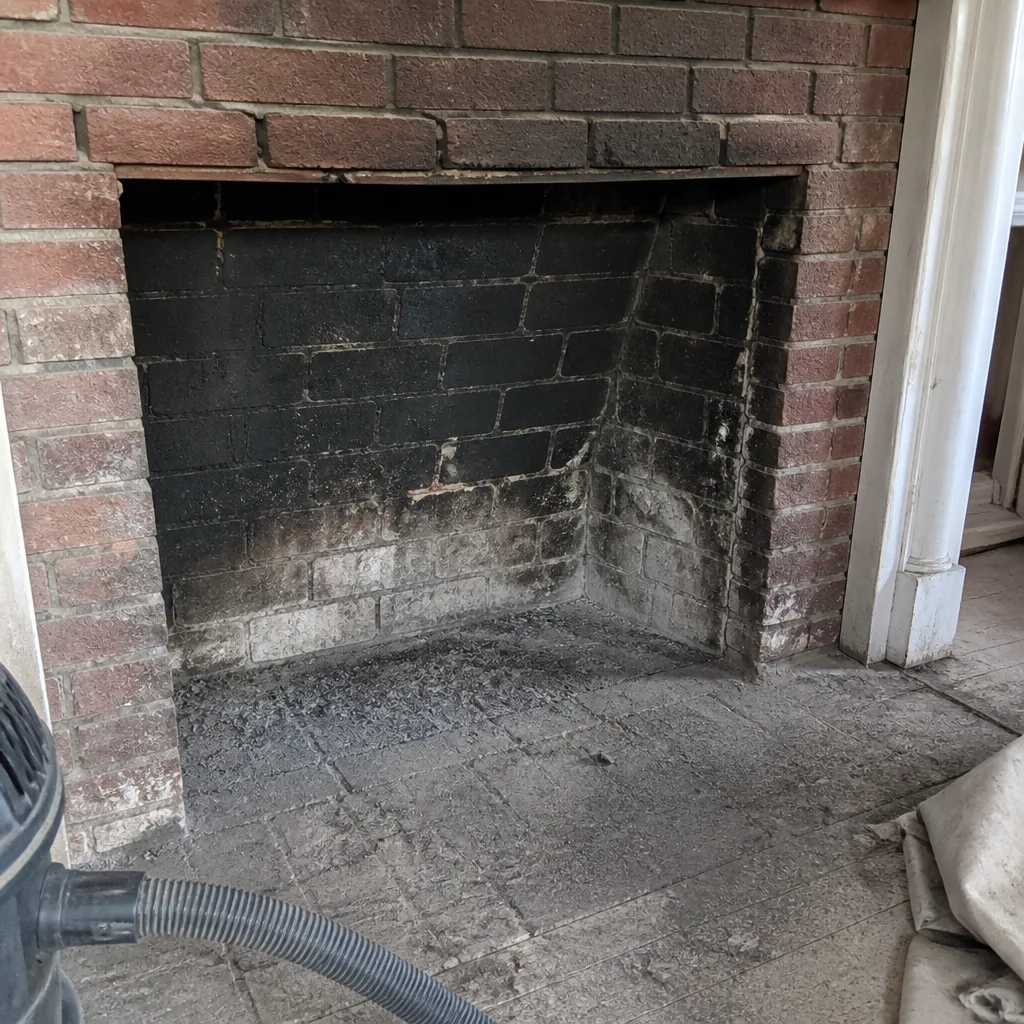
See the difference
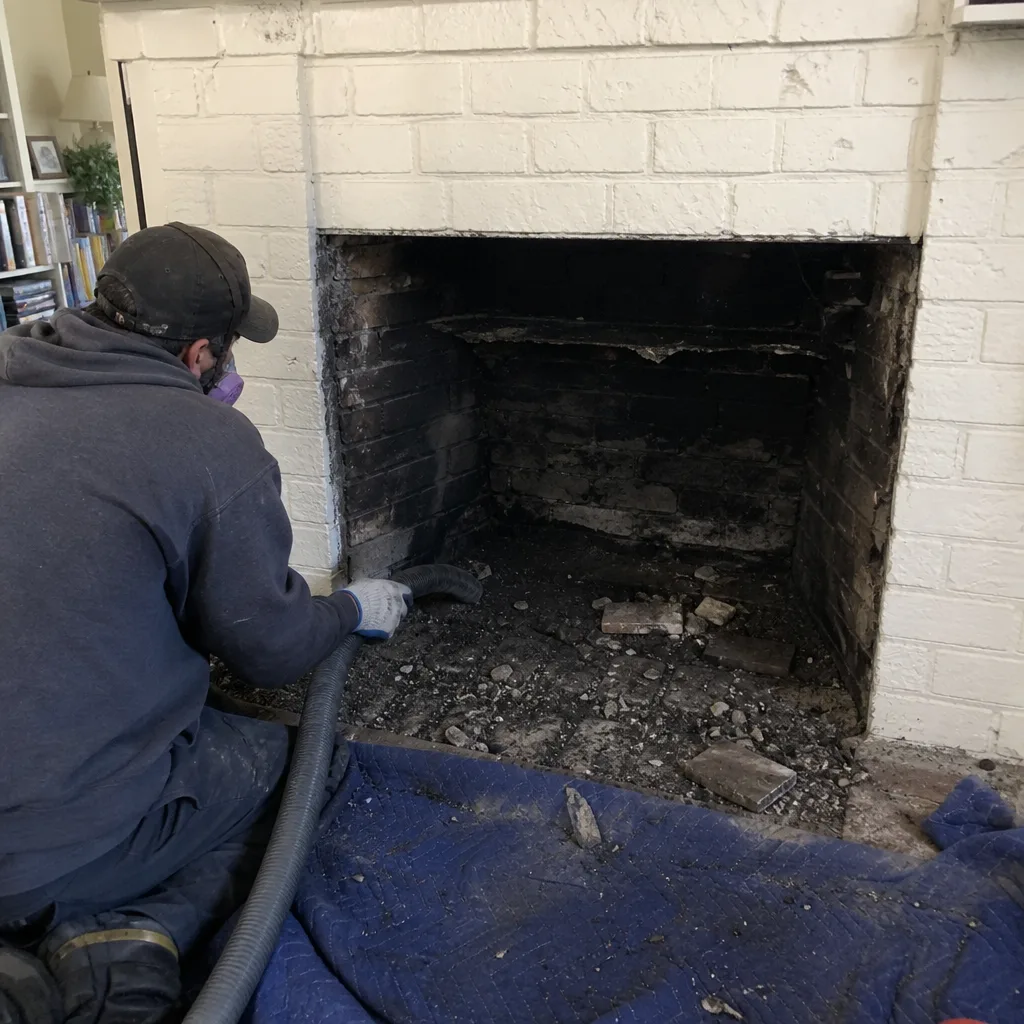 Before
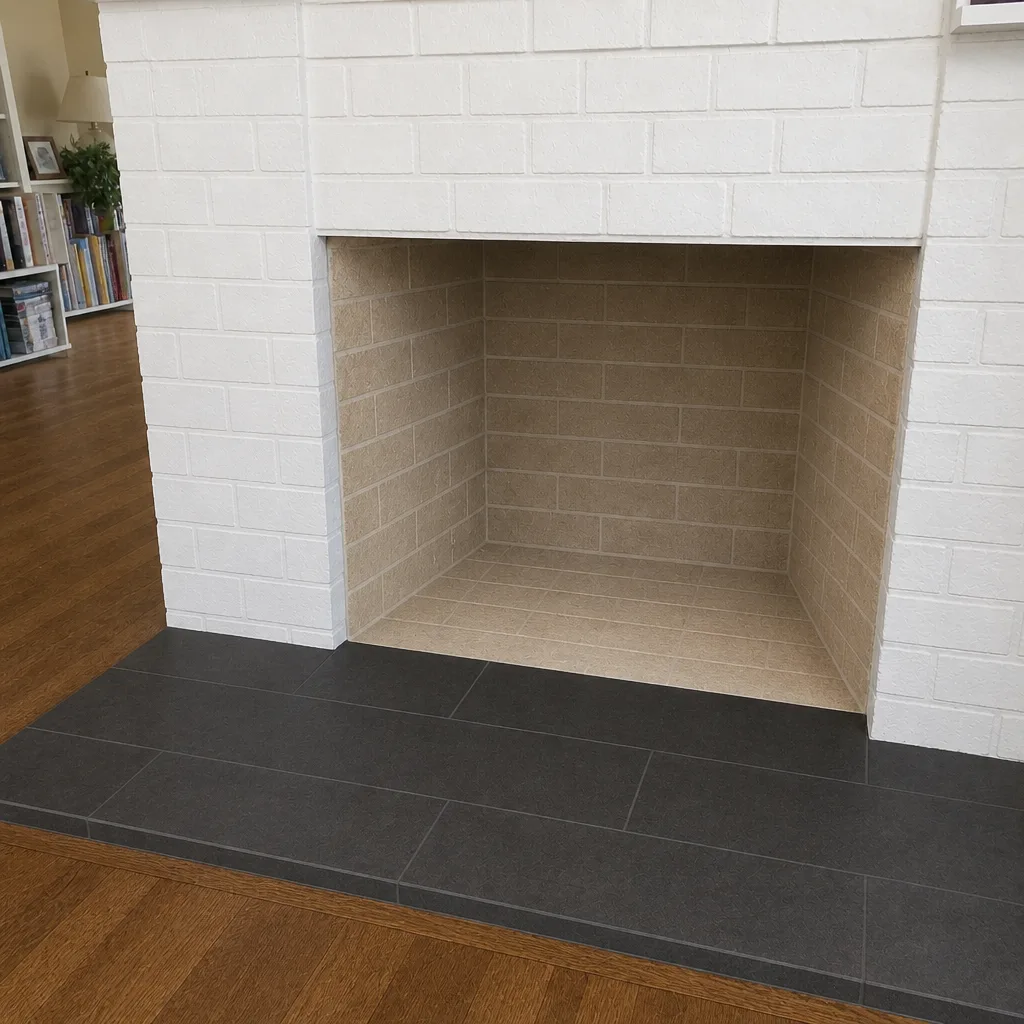 After
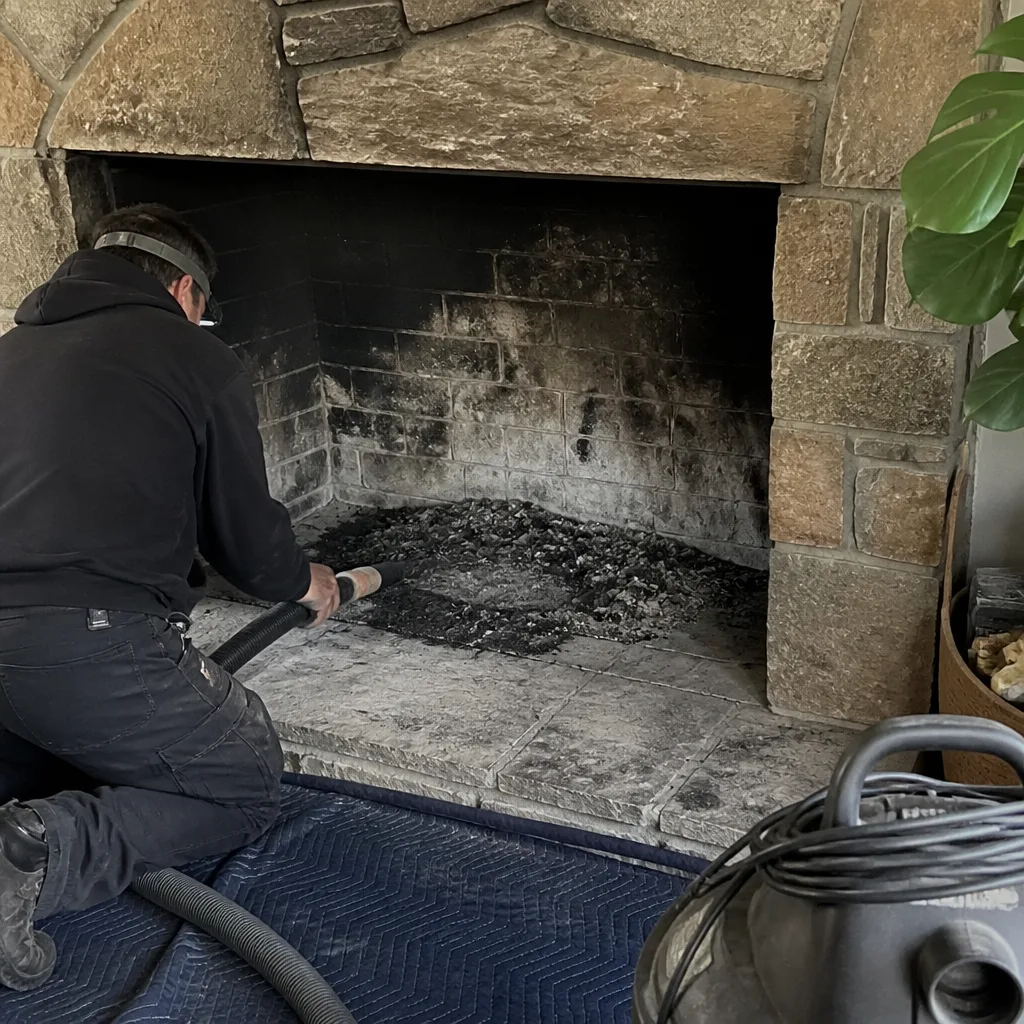 Before
 After
 Before
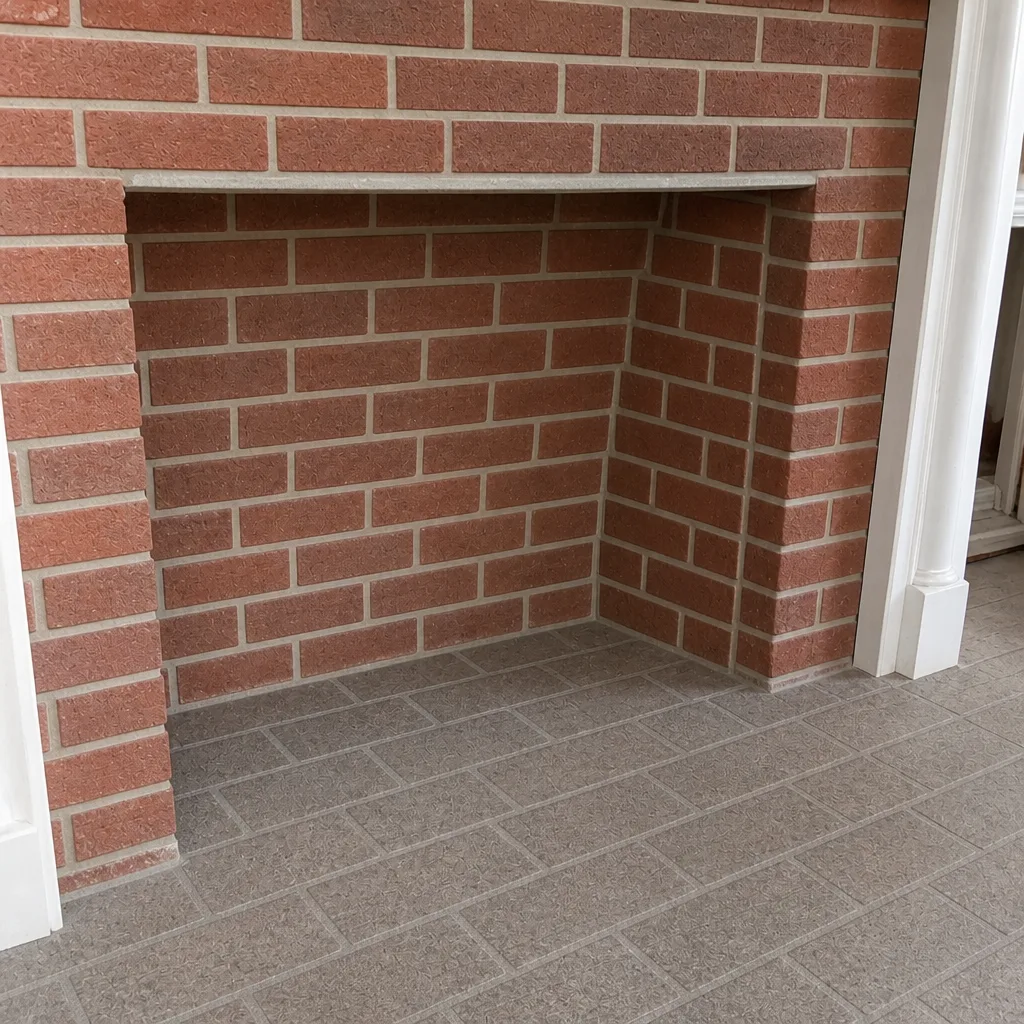 After
When to Call a Professional
Some chimney emergencies are 911 calls; others are inspections you schedule before they escalate. Call us if you’ve had a chimney fire, a CO alarm event, a persistent smoke-back problem, or a draft failure you can’t explain. Call us if a cap or crown has visibly failed, if you’ve found debris or water inside the firebox, or if the flue smells different when burning. And call us before heating season, not during the first cold week when every chimney in the area needs a sweep at once. Chimney Sweep Black Rock offers free estimates in Black Rock – call (877) 792-7321. Our technicians have up to 8 years of experience, we work with DuraFlex, HeatShield, Gelco, and Olympia Chimney liner materials, and when we inspect your chimney we’ll show you exactly what the camera sees before recommending any repair.
Frequently Asked Questions
A chimney inspection in Black Rock is priced per job by a written estimate, and the estimate itself is free. A basic inspection is less expensive than a Level 2 with camera; a Level 2 is what you need after a chimney fire, for a real estate transaction, or whenever the flue’s internal condition is unknown. The written estimate sets the final price, and any work that follows is quoted separately with the inspection findings in front of you. Call (877) 792-7321 for an exact quote – estimates are free.
Yes. Low-intensity chimney fires burn inside the flue for hours and often produce only subtle signals – a slightly different smell, a hotter-than-usual damper, or a low rumble that’s easy to dismiss. Because they don’t present flames or a dramatic plume, they’re frequently missed. If you suspect one, treat it as an active fire: get everyone out, call 911, and have the flue inspected before it’s used again.
Yes. A chimney that fails to draft properly can push combustion gases back into the living space, and carbon monoxide exposure can result. The most common causes are a blocked or partly blocked flue, a deteriorated liner, a pressure imbalance in the home, or an appliance vented into an oversized flue. Working CO alarms on every level of the home are the basic safety layer; an annual chimney inspection is what tells you whether the chimney itself is the risk. Call (877) 792-7321 to schedule an inspection.
A Level 2 inspection is an in-depth, camera-aided inspection of the entire flue plus accessible portions of the chimney’s exterior and adjoining spaces. It’s required after a chimney fire because the damage often isn’t visible from the firebox – cracks, offset joints, and glazed creosote re-deposition all appear inside the flue. A Level 2 inspection is what tells you whether the liner is safe to return to service, needs restoration like HeatShield resurfacing, or requires replacement.
For a home that uses the fireplace regularly through the heating season, an annual sweep is the standard. If you burn unseasoned wood, run the fire choked down, or use the fireplace more than a few times a week during winter, more frequent sweeps reduce creosote buildup. Chimneys serving gas appliances also need regular inspection even though they don’t produce creosote – that equipment can fail silently. A pre-season sweep and inspection is the simplest preventive step. Call (877) 792-7321 to book one.
Many chimneys can be repaired rather than rebuilt. After a fire, the decision comes down to the Level 2 findings: a liner that’s cracked but still structurally sound can often be restored with a HeatShield application, which rebuilds the flue surface from the inside without full replacement. More severe damage or a failed existing liner may call for a new DuraFlex liner, and extensive masonry damage may require partial rebuild. All of that gets quoted from the inspection, not from a guess.
The Bottom Line
Chimney emergencies in Black Rock come in three main forms: chimney fires, carbon monoxide events, and sudden draft failures. Each has a recognized warning profile, a correct immediate-response sequence, and a defined inspection protocol before the chimney goes back into service. The most important takeaway is the sequence – get out, call 911, close the damper if safe, don’t add water, and don’t relight until a Level 2 inspection has cleared the flue. The second takeaway is that the annual sweep-and-inspect routine prevents most of these events from ever reaching the emergency stage, and the third is that documentation protects the claim if one does. One company handles your inspection and your repair – no finger-pointing between separate contractors. When you’re ready to schedule, call (877) 792-7321. We answer 24/7. Fast dispatch from 7am to 7pm, Sunday through Friday. Our technicians have up to 8 years of experience, and the chimney chimney repair work we perform uses professional-grade materials chosen for the specific flue, not whatever’s on the shelf. To learn more about our full range of Chimney Sweep Black Rock services, or to schedule a sweep, inspection, or post-fire evaluation, reach out for a free estimate.
Written by the team at Chimney Sweep Black Rock.