
Last updated November 24, 2026
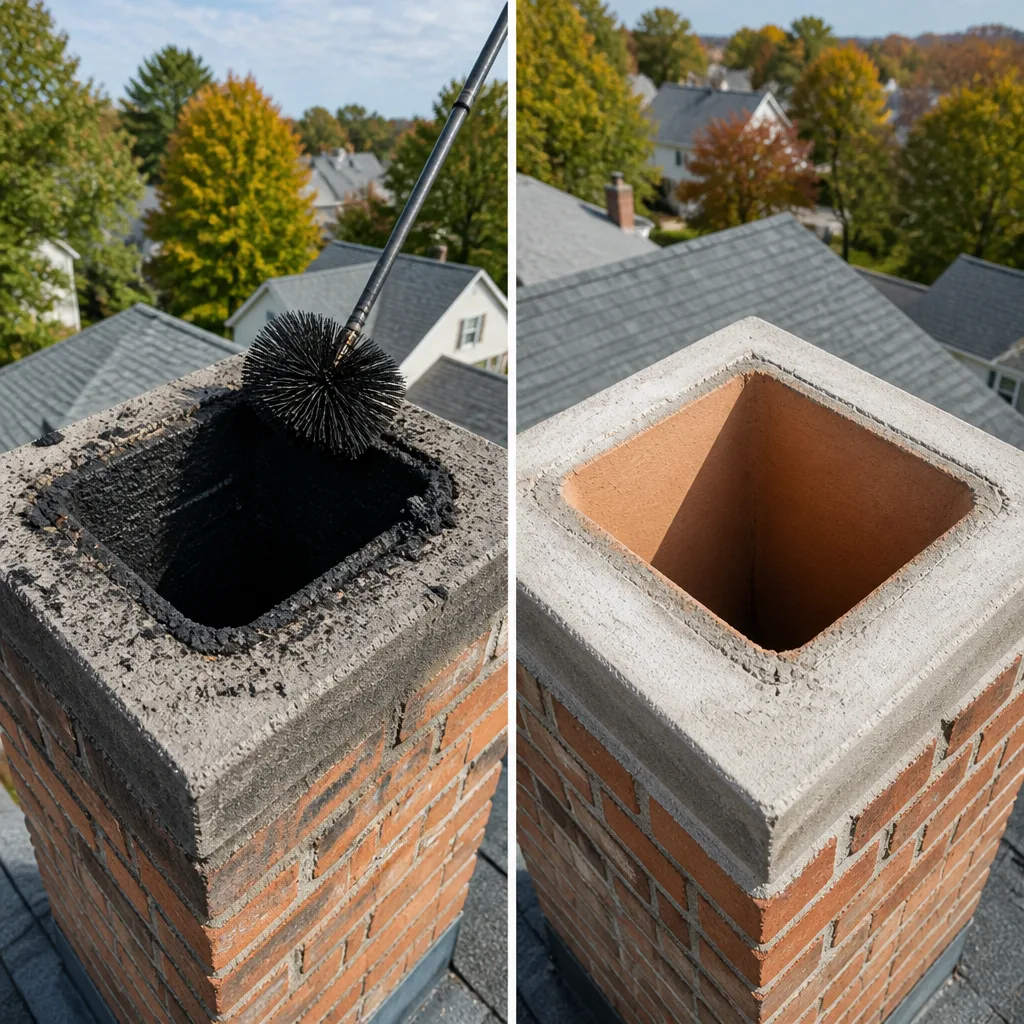 Sweep & inspection
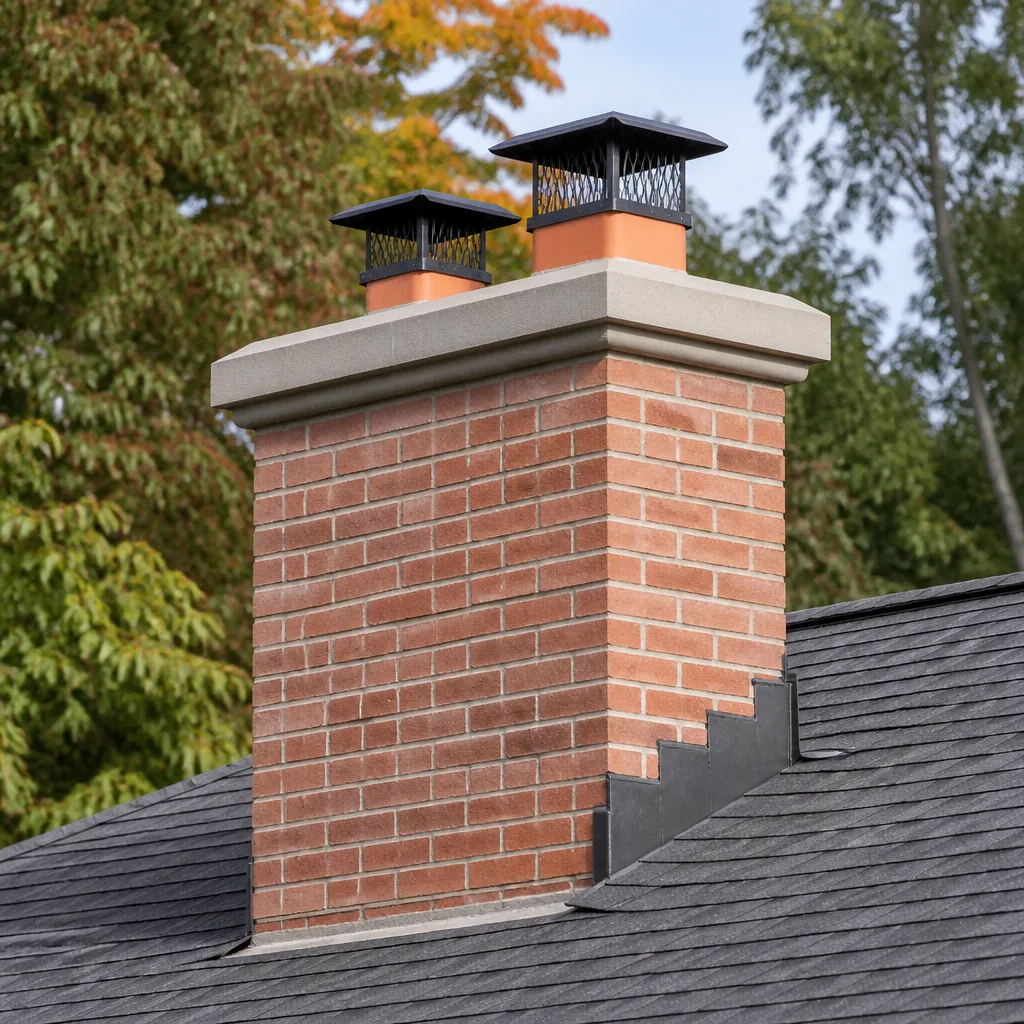 Caps & crowns
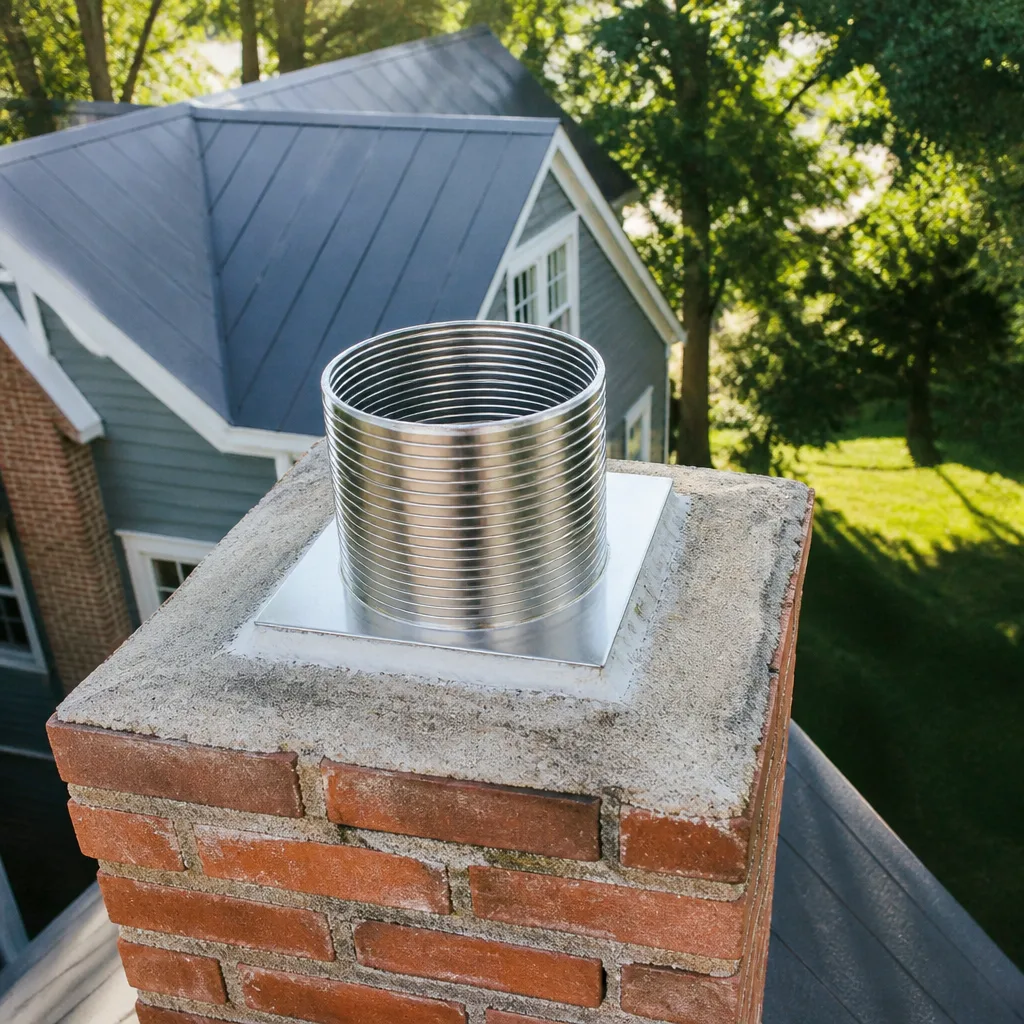 Flue relining
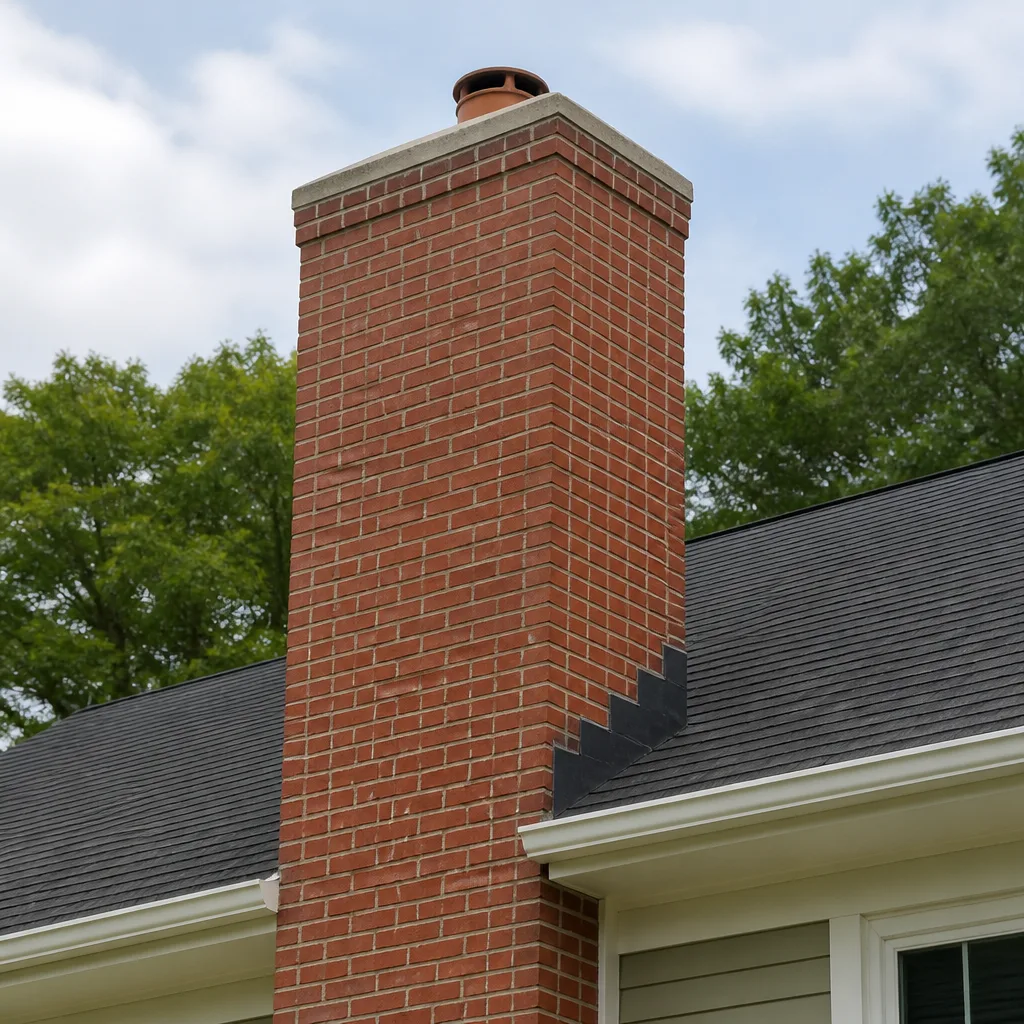 Masonry repair
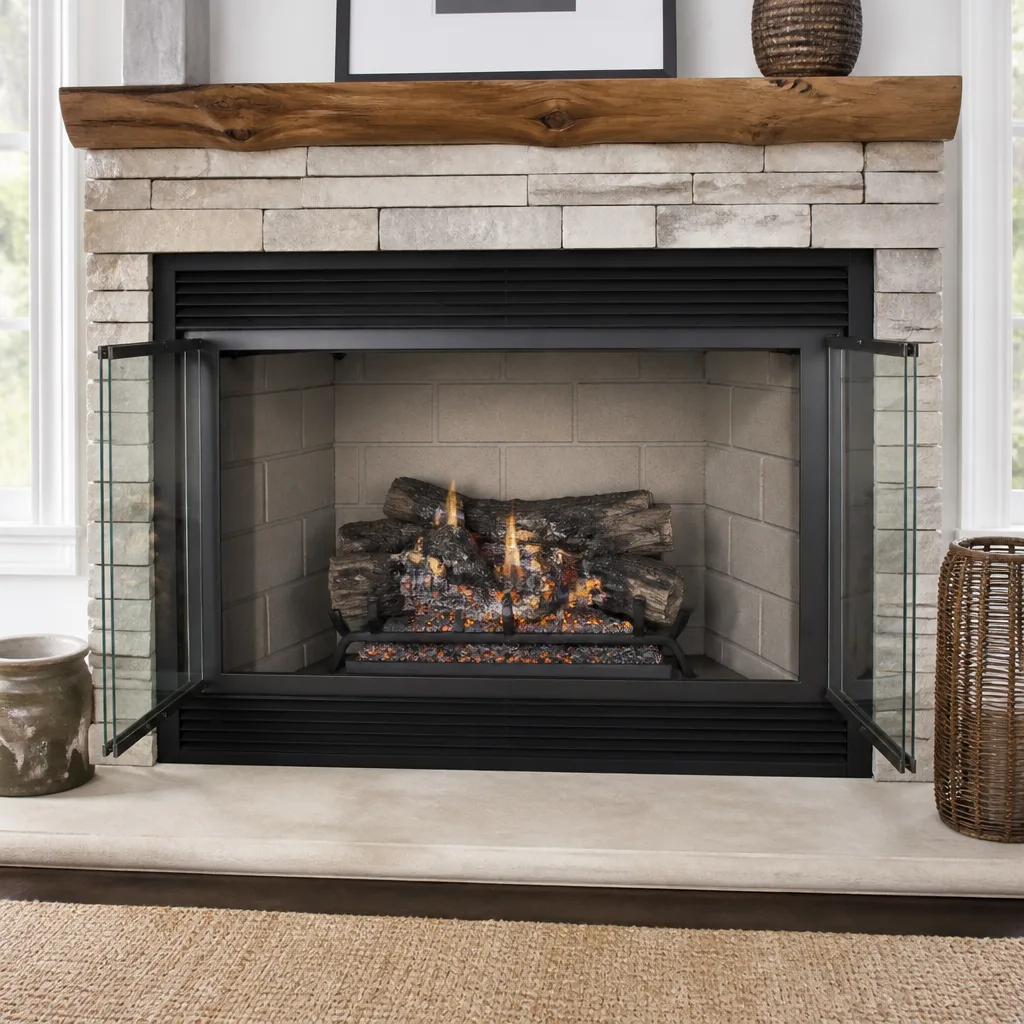 Gas fireplace service
Level 1 sweep and inspection to the NFPA 211 annual standard - flue, crown, cap, and flashing checked and photographed
Chimney sweep logs do not sweep chimneys. They loosen some creosote - which then falls where a brush and vacuum still have to collect it.
DIY vs Professional Chimney Cleaning: The Black Rock Homeowner’s Decision Guide
The brushing kits sold at the hardware store will remove light creosote from an accessible flue. What they won’t do is tell you that the clay tile liner behind the creosote has a longitudinal crack that’s been leaking combustion gases into your wall cavity for two seasons. That gap between cleaning and diagnosing is the whole decision. This guide breaks down the narrow set of setups where DIY chimney cleaning in Black Rock genuinely makes sense, the real cost of proper DIY equipment versus the kit on the shelf, what a homeowner would have to know to safely self-certify a chimney as sound, and how documentation affects a homeowner’s insurance claim after a chimney fire. You’ll finish knowing whether your chimney is a DIY candidate or a job for a trained specialist.
Quick Answer
DIY chimney cleaning is reasonable only when your flue is straight and accessible, you burn seasoned wood, your creosote is light and powdery, and a professional inspection has confirmed the liner, crown, and firebox are structurally sound. For most Black Rock homeowners, especially anyone with an older masonry chimney, an offset flue, or glazed creosote, professional cleaning is the safer and often cheaper choice once you account for equipment, insurance documentation, and the diagnostic value of an inspection. The cleaning itself is the easy part. Knowing what you’re looking at is the hard part.
Table of Contents
- The Honest Answer: When DIY Cleaning Actually Works
- The Conditions That Make DIY Reasonable (and the Ones That Don’t)
- What Proper DIY Equipment Costs vs. the Hardware Store Kit
- The Diagnostic Skills You’d Need to Self-Certify Your Chimney
- How DIY Cleaning Affects Homeowner’s Insurance Coverage
- An Honest Risk Framework: What You’re Accepting When You DIY
- What a Professional Service Catches That You Can’t
- Common Mistakes to Avoid
- When to Call a Professional
The Honest Answer: When DIY Cleaning Actually Works
DIY chimney cleaning works when the chimney is simple, the creosote is light, and the structure has already been verified as sound by someone trained to check it. That’s a narrow window, but it’s real. We’ve seen Black Rock homeowners with straightforward masonry chimneys and well-managed fires maintain their flues successfully between professional inspections, and we’d rather tell you that plainly than pretend chimney cleaning is beyond every homeowner’s reach.
The important distinction is between cleaning and diagnosing. A brushing kit removes soot and light creosote deposits from the flue walls. It does not examine the liner for cracks, check the crown for fissures, test the smoke chamber for turbulence, inspect the firebox for mortar joint failure, or look for water intrusion at the cap. Those are the parts of chimney care that actually prevent fires and carbon monoxide problems. Cleaning is maintenance. Diagnosis is safety.
Here’s where DIY is a reasonable option:
- Your chimney was professionally inspected recently and confirmed sound.
- Your flue is straight, vertical, and easy to access from the roof or the firebox.
- You burn seasoned, dry firewood and keep fires moderate, producing light, powdery, stage-one creosote.
- You have the right brushes, rods, drop cloths, and respiratory protection.
- You can safely get on the roof or work from the firebox without risk.
- You’re willing to call a professional the moment anything looks off.
That last point matters more than the rest. DIY cleaning is fine as long as the homeowner treats it as routine dusting, not as a substitute for inspection. As soon as a fire hazard or structural question enters the picture, the DIY justification disappears. For the full range of what a proper chimney inspection covers, that’s the page to read before you decide.
The Conditions That Make DIY Reasonable (and the Ones That Don’t)
Chimney care in Black Rock runs into the same structural realities found throughout older Northeast housing stock: a mix of masonry chimneys with clay tile liners, some pre-war construction, and plenty of chimneys that have been through decades of freeze-thaw cycles. Those conditions shape which setups qualify for DIY and which don’t.
DIY-friendly conditions include a straight flue with no offsets, a chimney that drafts well, a firebox that shows no cracks or loose mortar, a crown that’s intact, and creosote that’s black and flaky rather than shiny and glazed. A homeowner burning dry hardwood with clean fires and moderate burn rates tends to stay in stage-one creosote territory, which brushes away easily and carries lower fire risk.
The conditions that make DIY a bad idea are equally specific:
- Glazed, tarry creosote. Stage-three creosote is hard, shiny, and stubbornly adhered. Brushing won’t remove it, and it’s the variety that fuels chimney fires. It requires rotary cleaning or chemical treatment by a specialist.
- Offsets or bends in the flue. Rod-and-brush kits can’t navigate around a jog in the flue. Flexible liner systems like DuraFlex are built specifically to work around these configurations, and a homeowner trying to force a rigid brush through an offset risks damaging the liner.
- Any liner crack or mortar spalling. If the flue was never inspected, or was inspected years ago, you don’t know what’s behind the soot. Cleaning a cracked chimney makes it look better while leaving the hazard in place.
- A chimney that’s never been inspected. Cleaning something you’ve never had examined is the single most common false sense of security we see in Black Rock.
- Roof access problems. Steep pitches, icy surfaces in winter, and chimney height make roof work genuinely dangerous for amateurs.
- Water intrusion at the cap or crown. Cracked crowns and missing caps cause interior damage that no amount of brushing addresses.
A chimney that drafts poorly, smells smoky in summer, or shows rust on the damper is a chimney that’s telling you something is wrong beyond soot buildup. Those symptoms deserve a diagnosis before any cleaning happens.
What Proper DIY Equipment Costs vs. the Hardware Store Kit
The $40 kit at the hardware store and the $250 worth of professional-grade supplies sitting in a working sweeper’s tool bag are not the same equipment. That capability gap is where most DIY cleaning quietly fails.
What a basic retail kit gets you:
- One nylon brush, usually 6 to 8 inches in diameter
- Three to six flexible rods, sometimes fiberglass, often not
- A plastic handle
- No drop cloth, no respirator, no mirror, no light
What proper DIY equipment actually involves:
- Multiple brush sizes. A brush has to match the flue dimension. Too small and it skips the walls. Too large and it can jam or damage the liner.
- Rigid or semi-rigid rods long enough to reach the full flue. Flexible rods are convenient, but they whip and lose contact pressure.
- A heavy canvas drop cloth. Cleaning your chimney without one means fine soot ends up in every room.
- A proper respirator rated for particulate, not a dust mask. Creosote soot is not the same as household dust.
- A high-lumen flashlight and a small mirror for looking up the flue from the firebox and inspecting joints.
- A shop vacuum rated for fine ash and a second smaller vacuum for cleanup.
- Chemical creosote remover if you’re dealing with anything beyond stage-one deposits.
Add it up and you’re looking at a few hundred dollars of equipment, much of which you’ll use once or twice a year. That’s not necessarily a bad investment if you have the right chimney and plan to stay put for a decade. But the equipment math changes the comparison. A homeowner spending $250 on supplies to clean a $300-flue chimney hasn’t saved much, and they still don’t have an inspection. When the underlying problem is a deteriorating flue rather than soot, HeatShield resurfacing – a professional capability that restores a flue without full liner replacement – is the actual solution, and no retail kit reaches that level.
The Diagnostic Skills You’d Need to Self-Certify Your Chimney
To competently decide that a DIY cleaning leaves your chimney safe, you’d need to perform the diagnostic work of a chimney technician before the brush ever touches the flue. That work involves several distinct checks.
Before cleaning, a professional inspection asks a series of questions:
- Is the liner intact? Clay tile liners crack with heat cycling and settle with age. A longitudinal crack isn’t visible from the firebox floor without a camera or close inspection.
- Is the crown sealed? The crown is the concrete cap at the top of the chimney. Hairline cracks let water in, and water damage is the most common long-term chimney degradation in Black Rock’s freeze-thaw climate.
- Is the chimney cap present and correct? A properly sized cap keeps rain, birds, and squirrels out. Its absence is one of the most common problems we find on older Black Rock homes.
- Is the smoke chamber properly shaped? A smoke chamber that’s too large or poorly parged causes draft problems and turbulence.
- Is the firebox sound? Cracked firebox mortar, deteriorated brick, and failing refractory panels are fire risks that a homeowner may not recognize.
- Are the clearances correct? Combustible materials properly spaced from the chimney? Most Black Rock homeowners haven’t checked this and wouldn’t know what to look for.
- Is the creosote stage and volume known? Stage-two and stage-three creosote need a different approach entirely.
- Is the damper and smoke shelf functional? Damaged dampers affect draft and energy loss.
Skipping these checks and going straight to brushing is how homeowners end up with a “clean” chimney that’s still a hazard. This is precisely why we encourage Black Rock homeowners to book an inspection before deciding whether to DIY, whether to hire a chimney sweep, or whether something bigger is going on. An honest inspection is the difference between maintaining a sound chimney and polishing a broken one.
How DIY Cleaning Affects Homeowner’s Insurance Coverage
Homeowner’s insurance will cover a chimney fire only if the insurer is satisfied the chimney was properly maintained. That’s the blunt version. The nuance matters because documentation is what proves maintenance.
Insurers differ, but here’s what adjusters typically look at after a chimney fire claim:
- Receipts or records showing periodic professional cleaning and inspection
- Documentation of any repairs performed to the liner, crown, cap, or firebox
- Evidence that the chimney was inspected before the loss, not after
- Proof that any deferred maintenance the insurer flagged was addressed
- For new policies, a Level 2 inspection report, or a professional assessment at underwriting
A homeowner who has been brushing their own flue for ten years has no paper trail. If a chimney fire happens, the insurer will often ask for proof of maintenance, and “I clean it every year” isn’t documentation. In a worst case, that gap gives an insurer grounds to dispute part or all of the claim, and the rebuild cost is far beyond anything a DIY approach saved. Professional sweeps provide written records, a camera inspection report, and photo documentation. That paper trail exists for the homeowner’s benefit first. We can work with your insurer when documentation becomes part of a claim, but we can’t retroactively create records that were never made. Every Black Rock homeowner who relies on their policy in a chimney fire scenario should know how much the documentation matters.
The other side of this is that insurers increasingly encourage scheduled maintenance, and some request an inspection when a home is sold or a new policy is written. A standalone inspection – which we offer as a service with no obligation to book repairs – gives an insurer what it wants without pushing you into anything the inspection doesn’t support. A documented inspection is also the honest starting point for any later conversation about chimney repair work, because the report either supports the repair or it doesn’t.
An Honest Risk Framework: What You’re Accepting When You DIY
DIY chimney cleaning isn’t reckless in every situation. It’s a tradeoff, and the honest way to make the choice is to name what you’re accepting and what you’re giving up. Here’s our framework, spelled out plainly.
What you’re accepting when you DIY
- You’re accepting that you might be cleaning a chimney you shouldn’t be using. A cracked liner, a failed crown, or a broken firebox means the chimney needs repair before cleaning is useful. Without an inspection, you won’t know which situation you’re in.
- You’re accepting the risk of working on a roof. Roof access in icy or steep conditions is where most serious DIY chimney injuries occur.
- You’re accepting soot exposure. Creosote and soot are respiratory irritants and contain known carcinogens. A basic dust mask isn’t protection enough, and a homeowner working in a firebox is working in direct proximity to particulate.
- You’re accepting the insurance documentation gap. If a fire happens, you’ll be arguing with an adjuster using nothing but memory.
- You’re accepting that you’ll miss anything the inspection would have found. This is the biggest item on the list and the least visible.
What a professional service actually catches
- Hairline liner cracks the homeowner can’t see
- Crown deterioration before it becomes a structural problem
- Improper clearances and combustible-material proximity
- Glazed creosote that brushing won’t remove
- Cap and crown failure that’s letting water into the system
- Smoke chamber and damper issues that affect draft and safety
- Firebox degradation hidden behind a seasonal cleaning
None of those are exotic. In Black Rock’s older housing stock, they show up regularly. The point isn’t that DIY is dangerous every time; it’s that the DIY decision is only rational when you’ve done the diagnostic work first. Chimney problems don’t get cheaper with time. A cracked crown today becomes a liner failure tomorrow, and a liner failure becomes water damage, masonry spalling, and a much larger repair. The sweeping service is the inexpensive part of chimney care. The recovery from dismissed warning signs isn’t.
What a Professional Service Catches That You Can’t
The biggest single advantage of professional cleaning isn’t a better brush. It’s the camera inspection that accompanies the sweep and the trained eyes that read it. A proper chimney service looks at the chimney as a complete system.
What a professional chimney service typically evaluates:
- The flue interior, with a camera, for cracks, gaps, and settled tiles
- The junction between the flue and the smoke chamber
- The crown for hairline fractures and separation from the chimney
- The cap for correct fit and animal or water intrusion
- The firebox for mortar joint failure, spalled brick, and refractory condition
- The exterior masonry for spalling, efflorescence, and flashing issues
- Clearances to combustibles
- The damper, smoke shelf, and draft performance
Repair work then follows the evidence. If a flue is deteriorating but the tiles are otherwise structurally intact, a HeatShield resurfacing restores the interior without the expense and disruption of a full liner replacement. If the flue configuration is complex, offset, or otherwise not navigable with rigid material, flexible liner systems like DuraFlex – a brand we’re authorized to install – handle configurations that rigid liners can’t. If the crown is cracked or the cap is missing, both are addressed on the same visit under the same scope of work. The chimney cap & crown work is often the most cost-effective single improvement a Black Rock homeowner can make, since those two components are the entry points for nearly all water intrusion.
The other professional advantage is the single point of accountability. When one company inspects the chimney, diagnoses the problem, and performs the repair, there’s no boundary where a repair contractor can blame the inspector. The company that finds a problem is the company that fixes it. We see the value of that arrangement repeatedly in Black Rock because we’re the one holding the scope from the initial camera inspection through the final repair. As a company, we work with a curated set of professional-grade brands – DuraFlex, HeatShield, Gelco, Olympia Chimney, Famco, and Copperfield – that are specified by certified chimney engineers and traded through specialty suppliers, not sold at retail. The hardware store shelf has its role; it just isn’t this one.
A DIY-Safe Maintenance Checklist (for Homes That Qualify)
If a professional inspection has confirmed your chimney is sound, and your flue is accessible, and your creosote is light, here’s the annual routine that keeps things safe until your next professional inspection. This is maintenance, not replacement for inspection.
- Confirm your inspection window. Get your chimney inspected at least once a year, or after any significant change in how it’s burning.
- Burn only seasoned hardwood. Moisture content matters. Burning wet wood creates far more creosote.
- Avoid smoldering fires. Small, hot fires with adequate air produce less creosote than slow, smoky ones.
- Clean the firebox and damper area periodically. Soot accumulates at the firebox floor and the damper shelf.
- Use a drop cloth every time. Every sweep creates fine soot that will travel further than you expect.
- Wear a respirator rated for particulate. Not a dust mask.
- Look up the flue from the firebox after every cleaning. A flashlight and mirror will show you obvious problems, even if you can’t diagnose them fully.
- Book a professional inspection if anything looks wrong. Cracks, spalling, shiny creosote, rust, or smoke smell in warmer months.
The checklist works as long as the chimney stays in the conditions it started in. When those conditions change (a chunk of liner falls, the crown cracks from a hard freeze, or the creosote starts looking shiny), the checklist no longer applies and it’s time to bring in the specialist. The line between “I can handle this” and “I shouldn’t” is precisely where an honest inspection pays for itself.
Common Mistakes to Avoid
- Cleaning a never-inspected chimney. The first step is always an inspection. Cleaning without one means you’re brushing blind. A professional chimney inspection costs less than a repair and gives you a real baseline for the years that follow.
- Confusing a clean flue with a safe flue. A black, ash-covered liner looks identical to a cracked one from thirty feet away. Clean and safe are not synonyms. Only inspection separates them.
- Ignoring a cracked crown because it “looks fine from the ground.” Cracks at the crown grow through freeze-thaw. In Black Rock’s winter cycle, a hairline crack becomes a real opening in a single season.
- Assuming glazed creosote will brush away. Stage-three creosote is hard and shiny and doesn’t yield to a nylon brush. A homeowner who tries to force it will damage the liner long before the creosote gives way.
- Not documenting anything. A fire is the wrong time to realize you have no records. Save receipts, notes, and inspection reports; they matter more than the cost of the sweep.
- Putting off a cap because the chimney “hasn’t had a problem yet.” Bird nests, driving rain, and squirrels are the three most common entry points for chimney problems in Black Rock, and all three enter through a missing or badly fitted cap.
- Cleaning more than once a year. Unless you burn very heavily, an annual cleaning plus inspection is plenty. Overbrushing a clay flue liner causes wear.
When to Call a Professional
Call a professional when any of the following is true: your chimney has never been inspected; your flue has any offset or bend; you see shiny, glossy creosote instead of powdery deposits; you smell smoke in the house during or outside of burning; you have rust on the damper or firebox; the crown has visible cracks; the chimney cap is missing or damaged; anyone in the household has had headaches, dizziness, or unexplained symptoms during heating season; or the chimney was damaged in a storm or seismic event. Also call when you’re simply not sure. That last case is more common than homeowners expect and is exactly what a standalone inspection is for. Chimney Sweep Black Rock offers free estimates in Black Rock and can be reached at Chimney Sweep Black Rock or by phone at (877) 792-7321. We answer 24/7. Fast dispatch from 7am to 7pm, Sunday through Friday.
Frequently Asked Questions
Once a year for most homes, or sooner if you burn heavily or notice creosote buildup. The general industry rule is to sweep when the creosote layer reaches about 1/8 inch. In Black Rock’s heating climate, that’s typically a single-season occurrence for regular fireplace users. Call (877) 792-7321 for an exact quote. Estimates are free.
Yes, but only under narrow conditions: a straight, accessible flue; light, powdery creosote; a chimney that was professionally inspected recently and confirmed structurally sound; proper equipment including a respirator and drop cloth. Without those, DIY cleaning creates a false sense of security rather than a safer chimney. Call (877) 792-7321 for an exact quote. Estimates are free.
You can clean a straight, accessible flue of light stage-one creosote with a basic kit, but the kit won’t tell you whether the flue or liner is intact. It also won’t help with offset flues, glazed creosote, or crown and cap issues. Those need professional equipment. Call (877) 792-7321 for an exact quote. Estimates are free.
It can, if the insurer determines the chimney wasn’t properly maintained. Most professional cleaning services provide written documentation and inspection reports that support a claim; DIY cleaning leaves no paper trail. If documentation matters to you, scheduled professional maintenance is the safer approach. Call (877) 792-7321 for an exact quote. Estimates are free.
A digital camera inspection of the flue, an evaluation of the crown, cap, firebox, damper, and exterior masonry, a written report, and photo evidence. The cleaning itself is one part. The inspection is where the real safety value sits. Call (877) 792-7321 for an exact quote. Estimates are free.
Any time you see shiny or glazed creosote, cracks in the liner or crown, rust, spalling, a missing or damaged cap, smoke smell in the house, or unexplained symptoms of carbon monoxide exposure. If you’re simply unsure what you’re looking at, an inspection resolves it. Call (877) 792-7321 for an exact quote. Estimates are free.
The Bottom Line
DIY chimney cleaning is a real option for a specific kind of homeowner with a specific kind of chimney, and it’s a false comfort for everyone else. The brushing is easy. The diagnosis is the hard part, and no retail kit replaces it. A professional inspection confirms whether you have a chimney you can safely maintain yourself or a chimney that needs repair before it needs cleaning. It also builds the paper trail that protects you if a fire happens. If you’re in Black Rock and want a straight answer about your chimney, our technicians have up to 8 years of experience and will show you what the camera sees. Call (877) 792-7321 for a free estimate. We answer 24/7. Fast dispatch from 7am to 7pm, Sunday through Friday. We’re closed on Saturday.
Written by the team at Chimney Sweep Black Rock.
Styles & brands we work with
- Sweep & inspection
- Caps & crowns
- Flue relining
- Masonry repair
- Gas fireplace service
See the difference
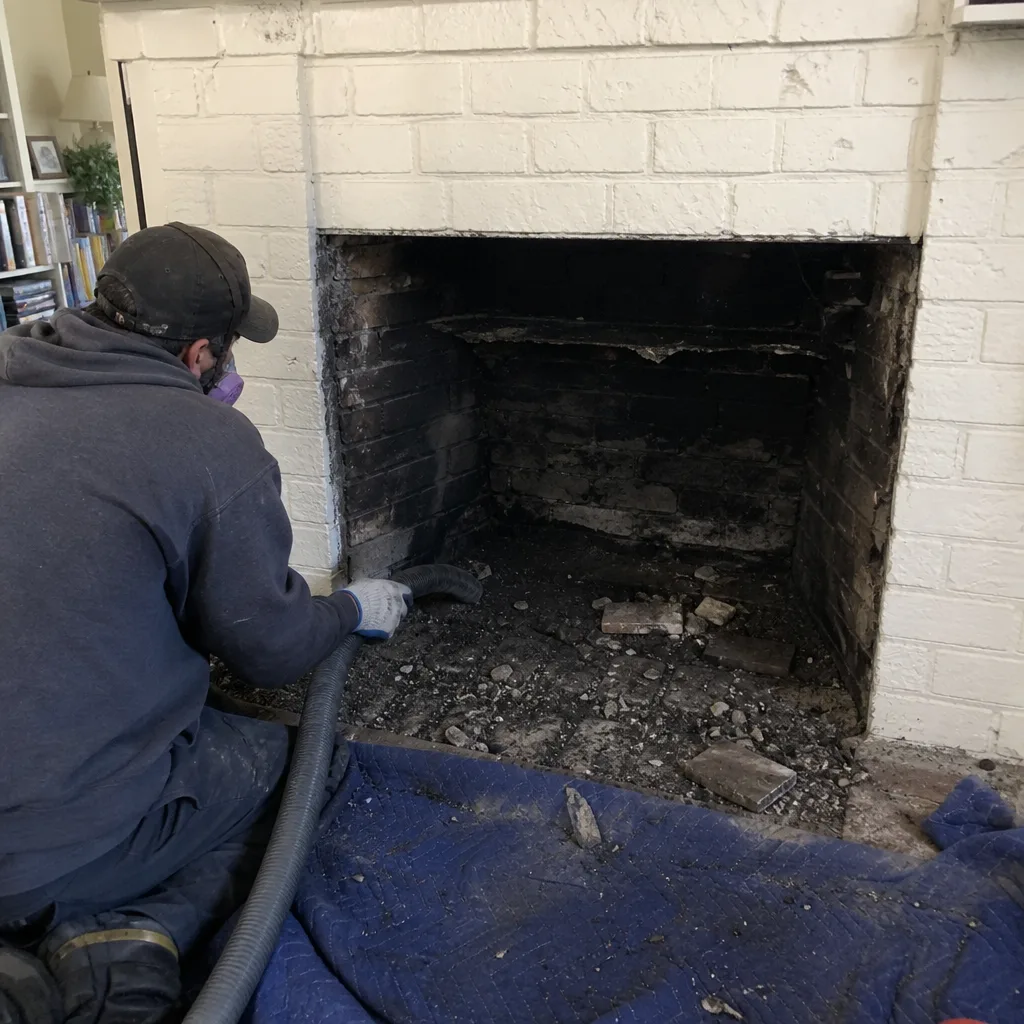 Before
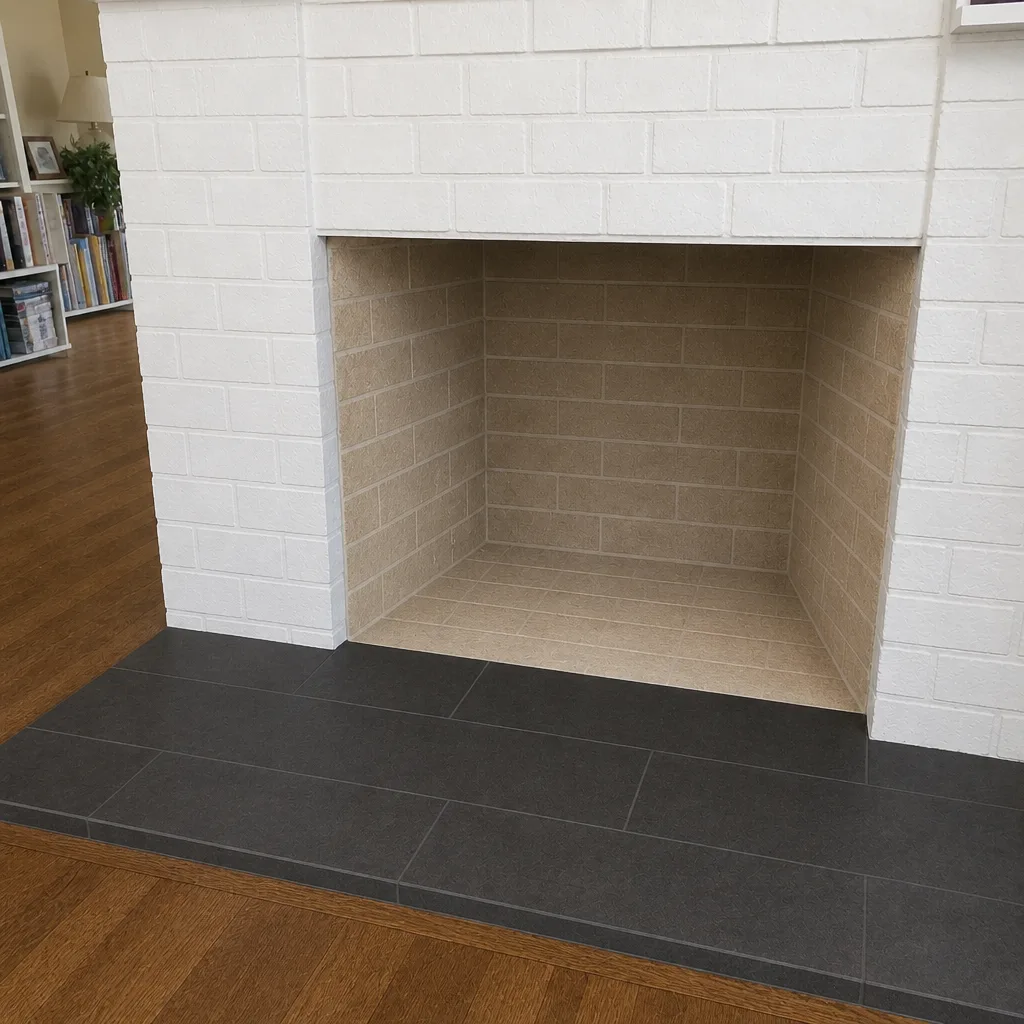 After
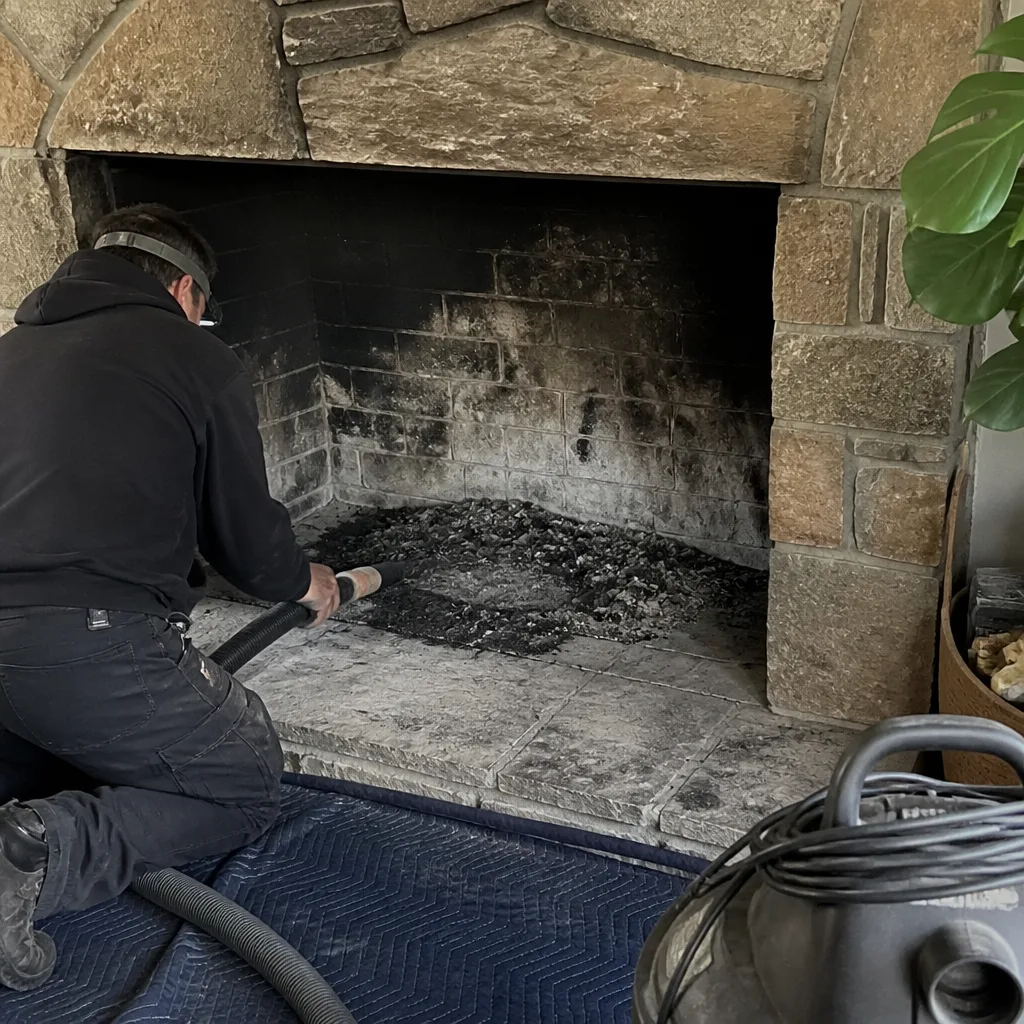 Before
 After
 Before
 After