
Last updated November 24, 2026
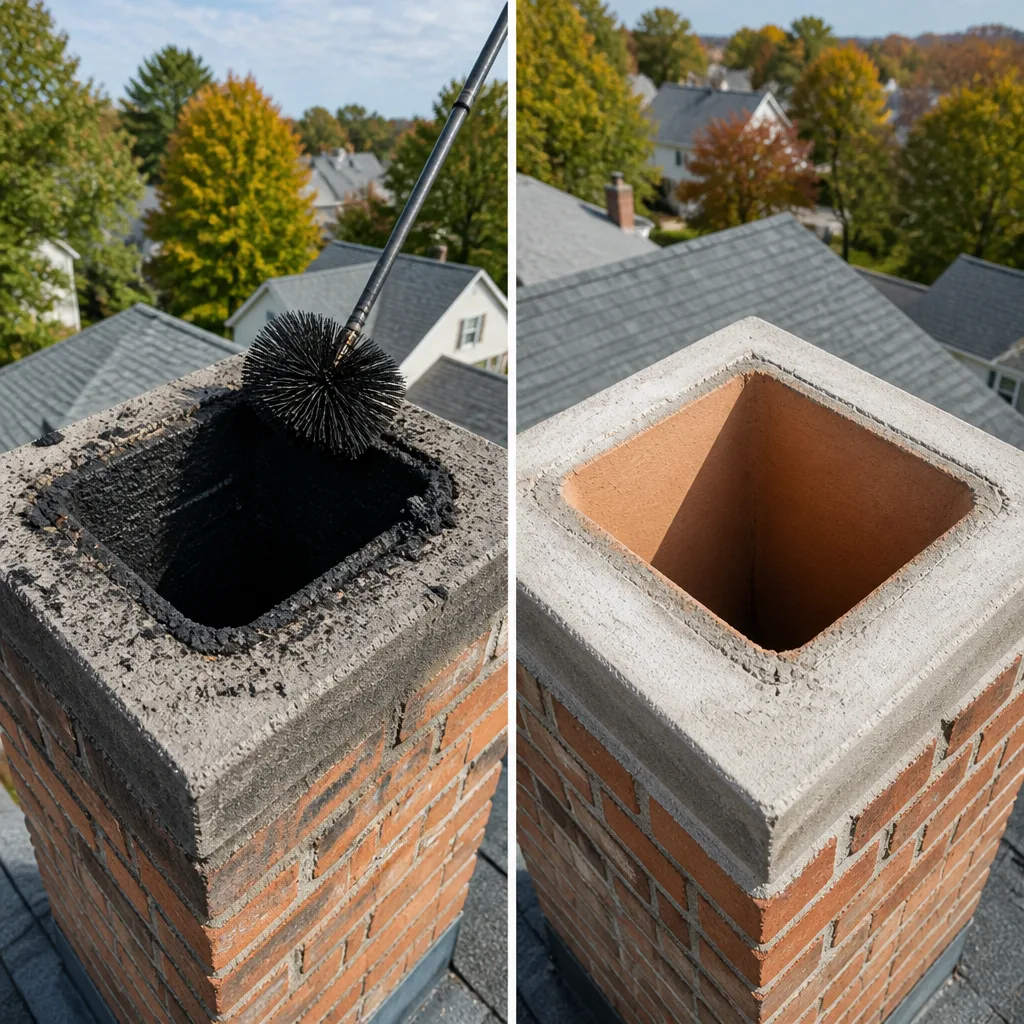 Sweep & inspection
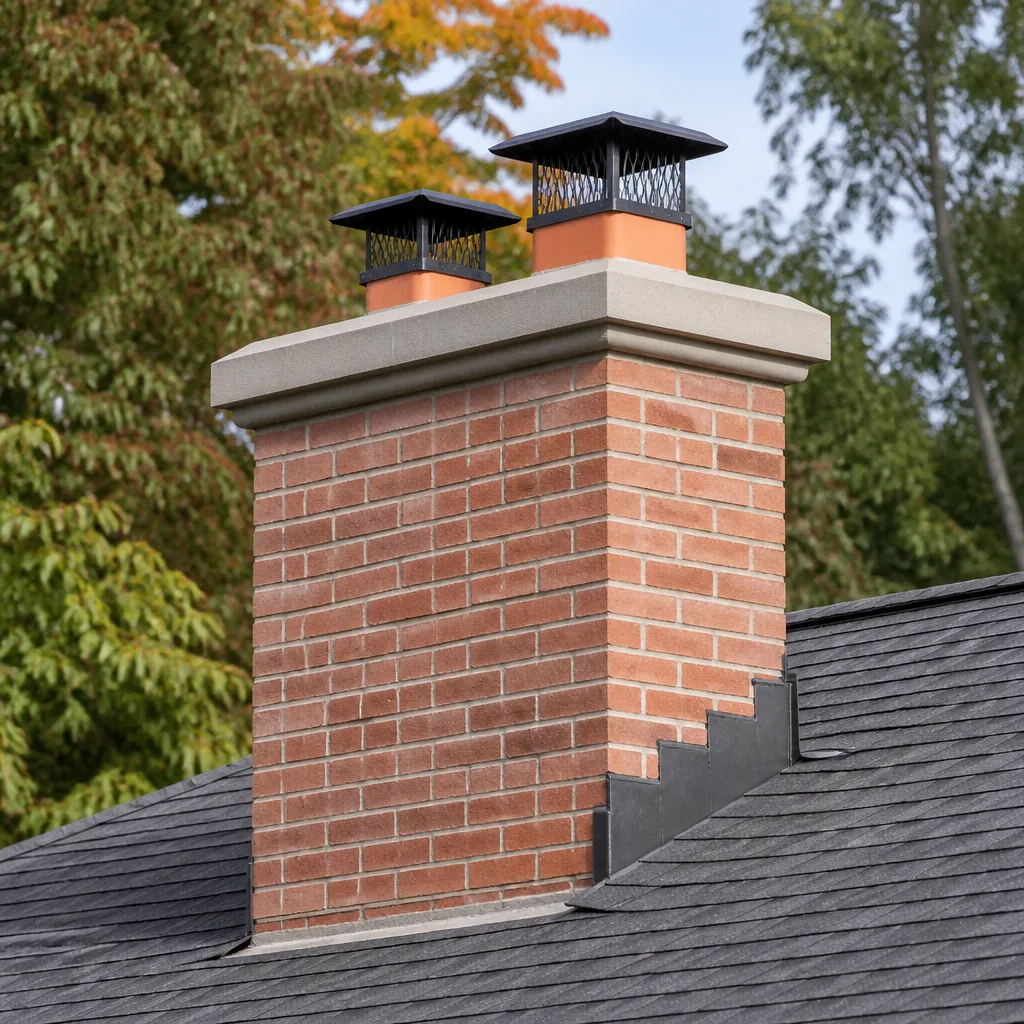 Caps & crowns
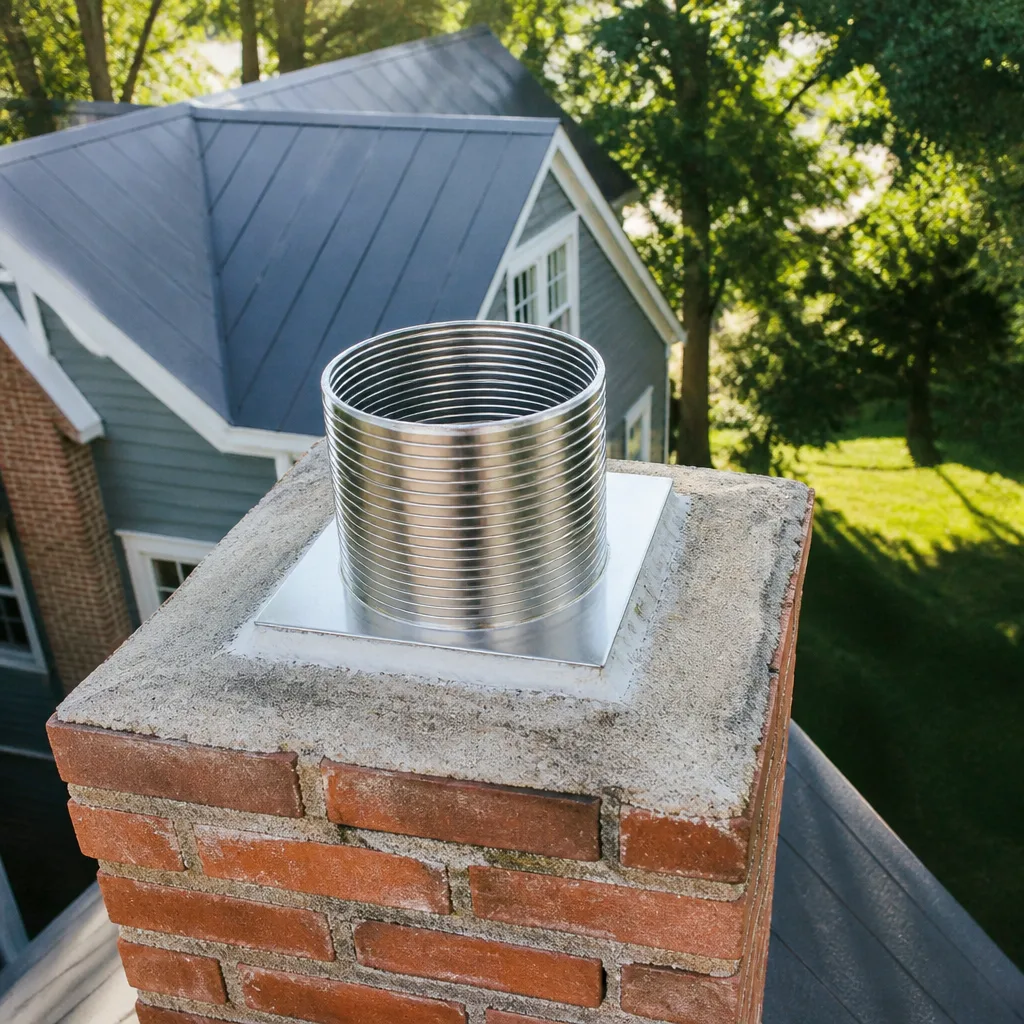 Flue relining
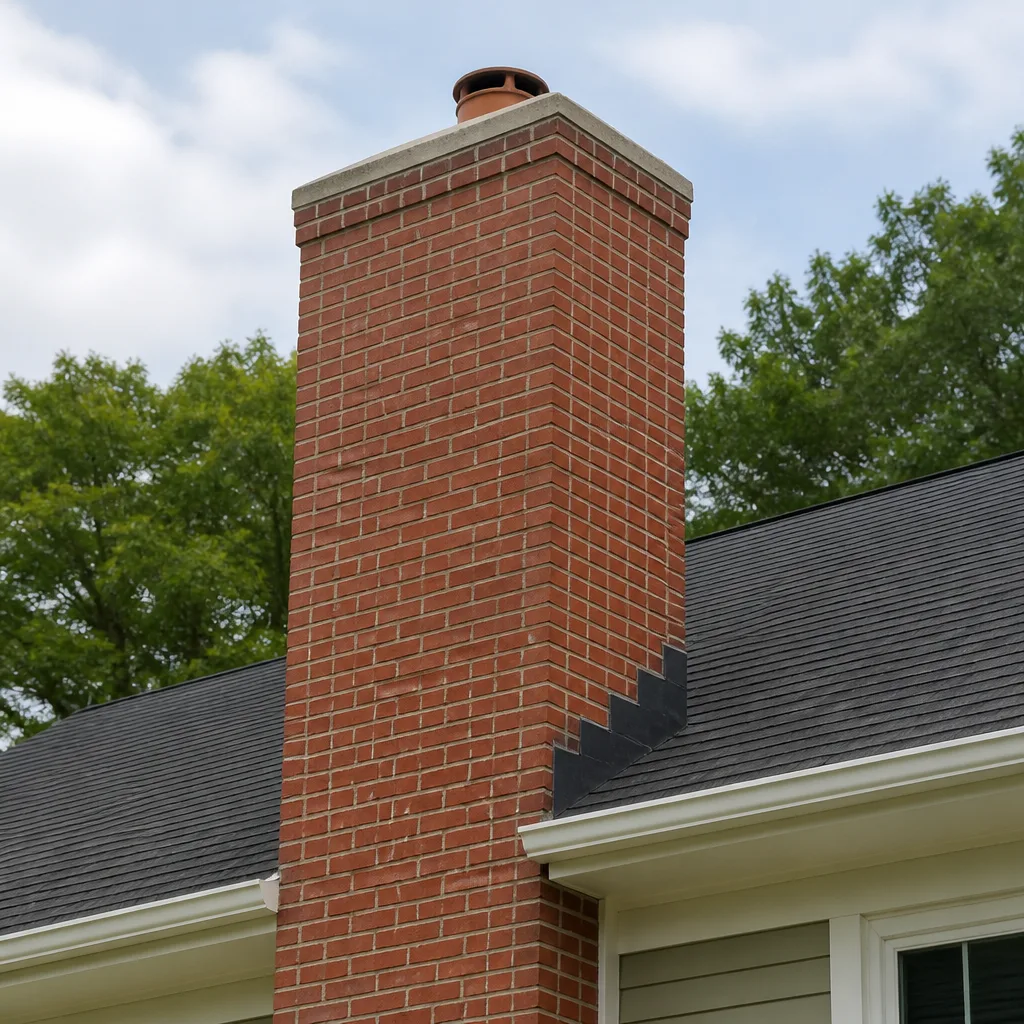 Masonry repair
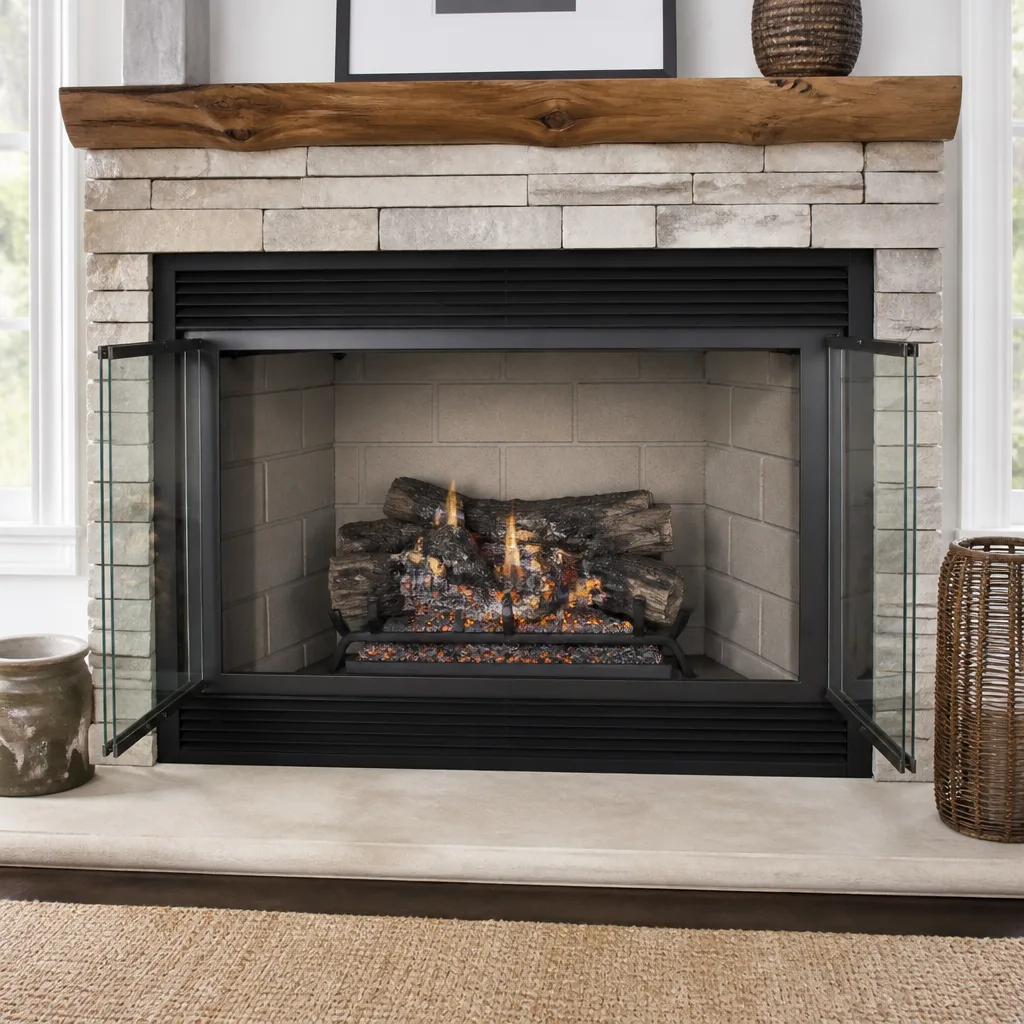 Gas fireplace service
Level 1 sweep and inspection to the NFPA 211 annual standard - flue, crown, cap, and flashing checked and photographed
Chimney sweep logs do not sweep chimneys. They loosen some creosote - which then falls where a brush and vacuum still have to collect it.
Choosing the Right Chimney Cleaning Brand: A Buyer’s Guide for Black Rock
There’s a consumer-grade chimney product category and a professional-grade one, and they’re often sold under names that sound almost identical. The difference lives in chemical concentration, in how the product is applied, and in whether it’s built for one-time use or designed as part of a treatment protocol a technician follows over several steps. A homeowner standing in a hardware aisle in Black Rock can’t see any of that from the label. This guide walks through the real product categories, what each one actually does, how to ask a contractor the questions that separate specialists from generalists, and why material specification matters as much as the labor behind it. By the end you’ll know what to look for and what to ask before anyone touches your flue.
Quick Answer
The right chimney cleaning brand is the one a specialist can name, specify, and explain in terms of chemistry and application method, not the one with the best shelf position at a big-box store. Professional-grade products like DuraFlex and HeatShield are specified for specific flue conditions and installed to a documented process, while most retail cleaners are general-purpose and cannot handle heavy creosote or structural flue defects. In Black Rock’s damp, freeze-thaw climate, material selection for caps, crowns, and liners matters even more than the cleaning itself, because water intrusion is the leading cause of long-term chimney damage.
Styles & brands we work with
- Sweep & inspection
- Caps & crowns
- Flue relining
- Masonry repair
- Gas fireplace service
Table of Contents
- The Main Chimney Product Categories and What Each One Does
- How to Ask a Contractor What Products They Use
- The Brand Names That Indicate Professional-Grade Sourcing
- Why Cap and Crown Material Specification Matters in Black Rock
- DIY Products vs. Products That Require Professional Application
- How Product Quality Interacts with Warranty Coverage
- What Western New York Climate Demands of Your Chimney System
- A Step-by-Step Framework for Choosing a Chimney Brand
The Main Chimney Product Categories and What Each One Does
Chimney products fall into four broad families: creosote removers, crown sealers, waterproofing agents, and liner repair compounds. Each addresses a different failure mode, and confusing one for another is where homeowners get into trouble. A creosote remover will not fix a cracked crown, and a waterproofing agent will not address a deteriorating flue. Knowing which category handles which problem is the foundation of everything else in this guide.
Creosote removers: three chemistries, three jobs
Creosote is the tarry, flammable residue that builds up inside a flue as smoke cools. It comes in three stages of severity, and the product that works on stage one will not touch stage three. That’s why creosote removers break into three chemical families.
- Enzymatic removers use biological agents that break down creosote over days or weeks. They work well as a maintenance protocol on light glaze, but they don’t produce a fast result and they cannot dissolve hardened stage-three deposits.
- Chemical removers are stronger and act faster, converting creosote into a brittle, brushable form. They’re what a technician reaches for when an inspection reveals significant buildup, but they need correct dwell time and ventilation to work safely.
- Catalytic removers work by lowering the ignition temperature of the creosote so it burns off during normal use. They’re useful on moderate deposits but require the fire to actually be running, and they do nothing for a flue that’s already blocked.
Most retail creosote products are dilute enzymatic formulas pitched at homeowners doing routine maintenance. A professional-grade remover is specified for a known flue condition, applied at a known concentration, and followed by a sweep that removes the loosened material. That sequence is the protocol; the bottle is just one part of it.
Crown sealers and waterproofing agents
A crown sealer is a flexible, masonry-grade coating applied to the concrete crown at the top of the chimney to close hairline cracks before they widen. A waterproofing agent is a breathable coating applied to the masonry itself to repel rain while letting moisture vapor escape from inside. They are not interchangeable. Crown sealer protects the crown; waterproofing protects the brick. Some products handle both roles, but only if they’re formulated for masonry breathability, and most cheap “waterproofers” trap moisture instead of releasing it, which accelerates spalling in a freeze-thaw climate. That distinction matters more in Black Rock than in a dry climate, and we’ll come back to it.
Liner repair compounds
Liner repair compounds are the products most homeowners have never heard of and the ones that separate sweep-only operations from full-service chimney specialists. Refractory cement, HeatShield-style resurfacing compounds, and flexible liner sealants each address a different kind of flue damage. Refractory cement repairs cracks in a masonry flue from the inside. Resurfacing compounds restore a deteriorating clay flue without tearing it out. Flexible liner systems like DuraFlex handle offset or aged flues that rigid liners can’t navigate. A sweep-only company can clean your flue but cannot specify which of these products your chimney actually needs. For the repair side of the work, see chimney repair.
How to Ask a Contractor What Products They Use
The single most useful question to ask any chimney contractor is “which products will you use, and why those instead of the alternatives?” A specialist answers it in specifics: brand names, product families, application methods, and the condition that led them to that choice. A generalist stumbles. You don’t need to understand the chemistry to evaluate the answer; you need to notice whether the answer is specific.
The questions that reveal professional-grade sourcing
- “What brand of liner do you install?” A specialist will name a professional-tier manufacturer like DuraFlex or Olympia Chimney without hesitation. A vague “we use a quality liner” is a red flag.
- “What do you do about a cracked crown?” A real answer names a crown sealer or replacement approach, not “we patch it.”
- “How do you handle heavy creosote glaze?” A specialist describes a chemical treatment protocol followed by a sweep. A sweep-only outfit says “we brush it,” which won’t touch glaze.
- “Can you resurface a clay flue, or do you only replace liners?” If they say they only replace, they can’t offer the whole scope. HeatShield resurfacing is a real capability, and its absence tells you something.
- “Do you inspect before you quote?” The answer should be yes, always, with a camera inspection and a photo report you can see.
- “What’s your scope if the problem turns out to be the firebox or surrounding masonry?” A full-system company covers it. A generalist refers it out.
What a good answer sounds like
A specialist’s answer is specific about the flue, the condition, and the product. Something like: “Your flue has a 4-inch hairline crack above the smoke chamber. That’s resurfaceable with HeatShield rather than a full liner replacement. The crown has two cracks and needs a masonry-grade sealer before the next freeze. We’ll do the sweep first, then show you the camera footage of the crack before we quote the resurfacing.” That answer names one specific product, one specific condition, and one specific sequence. A generalist will say “we’ll take a look and let you know.” Both answers come from the same phone call. One of them tells you whether the company is a specialist.
The reason this matters: the company that finds the problem should be the same company that fixes it. If your inspector doesn’t install liners and your liner installer doesn’t inspect, nobody is accountable for the transition. A single company handling both eliminates the finger-pointing that eats time and money. That’s the reason we structure our work the way we do at Chimney Sweep Black Rock.
The Brand Names That Indicate Professional-Grade Sourcing
Professional-grade chimney materials come from a small set of manufacturers that sell through distributors to the trade, not through retail. If a contractor names two or three of these brands, they’re sourcing from the professional tier. If they name none, they’re buying whatever the local hardware store stocks.
- DuraFlex – flexible stainless liner systems for complex, offset, or aged flue configurations. Useful when a rigid liner won’t make the turn and a full tear-out isn’t practical.
- HeatShield – ceramic-based resurfacing compound for restoring deteriorating clay flues without a full liner replacement. The distinguishing capability for a company that wants to offer non-invasive restoration.
- Olympia Chimney – a professional manufacturer of caps, liners, and accessories that specifiers use when they need consistent, documentable materials.
- Gelco – crown coatings and sealants formulated for masonry exposed to real weather.
- Famco – fireplace and chimney components used in repair and installation work.
- Copperfield – a line of professional chimney caps and chase covers with real-world life spans beyond what galvanized steel delivers.
We work with professional-grade materials, brands like DuraFlex and HeatShield that are specified by chimney engineers, not stocked at the hardware store. That’s not a marketing line, it’s the practical reason we can offer HeatShield resurfacing as an alternative to a full liner replacement. If we could only buy retail products, we couldn’t. The same logic applies to caps and crowns: a company that uses Copperfield or Gelco products will tell you the brand without being asked, because the brand is part of what they’re selling you.
Why Cap and Crown Material Specification Matters in Black Rock
Most homeowners think of a chimney cap as a cosmetic accessory that keeps rain and birds out. It’s actually the single most important piece of weather protection on the whole system, and its material specification determines whether it lasts five years or twenty. In Black Rock’s freeze-thaw cycle, a cheap galvanized cap deforms and rusts within a few seasons. Pulling water out of the flue is the goal, and the wrong material undercuts it.
Galvanized vs. stainless steel in a Western New York climate
Galvanized steel is coated with zinc to resist rust. That coating survives in dry climates for a decade or more. In Western New York, where a chimney sweats through dozens of freeze-thaw cycles between November and April, the zinc coating fails at the seams and welds first, and rust follows. A stainless steel cap (the standard professional-tier material) holds up through the same weather without the coating depending on a sacrificial layer. The difference in service life is significant enough that the price gap closes on a per-year basis, and hidden in the near term by the cheaper install.
Chase covers have the same story. A galvanized chase cover rusts at the seams and puddles water onto the crown; a stainless steel cover sheds it. The same goes for crown coatings: Gelco-style masonry sealers are formulated to flex with the concrete through freeze-thaw, where a rigid hardware-store patch cracks again after one winter. These aren’t cosmetic distinctions, they’re structural.
Crown repair as water intrusion prevention
A cracked crown is the opening most water uses to get into a chimney. Water that gets past the crown soaks the masonry, freezes, expands, and spalls the brick. The same water can reach the smoke chamber and the flue. Cracks that look cosmetic in May grow through the winter, and a crown that needs a $150 sealer this fall can demand a masonry rebuild by the following spring. That’s why we treat crown work as an urgent maintenance item rather than a cosmetic upgrade. You can read more about the full scope on our chimney cap & crown page.
DIY Products vs. Products That Require Professional Application
Some chimney products are legitimate homeowner maintenance tools. Some are not, and using them incorrectly can make a problem worse or create a safety hazard. The line between the two is chemistry and application method, not brand marketing.
Products a homeowner can reasonably use
- Creosote sweeping logs – a low-level maintenance tool for a flue that’s already clean. They reduce light glaze buildup between sweeps, but they do nothing for stage-two or stage-three creosote.
- Surface masonry waterproofing – brush-on or spray-on sealers applied to the exterior brick above the roofline. Effective as prevention on a sound chimney, not a repair on a cracked one.
- Routine visual checks – monthly eyeballing of the firebox, damper, and cap from the ground with binoculars. Useful for catching obvious problems early.
Products that require professional application
- Chemical creosote removers – concentrated formulas that need correct dwell time, ventilation, and follow-up sweeping. Misapplication can damage the flue.
- Liner resurfacing compounds – HeatShield-style products applied by spinning a foam applicator through the flue from the top. The equipment and the technique are professional-only.
- Flexible liner systems – DuraFlex and equivalent systems installed from the top of the chimney down. Getting sizing, insulation, and connection right is a skilled trade.
- Crown rebuilding and masonry repair – structural work requiring proper mix design, form work, and cure.
- Refractory cement firebox repair – applied to a firebox under thermal load; incorrect application can create a carbon monoxide pathway.
One hard safety caveat before we move on. Any work at the top of a chimney, on the roof, or inside a firebox is high-risk work. Ladders, steep roof pitches, and hot components are involved, and chimney collapses from compromised masonry do happen. We recommend a trained professional for anything above the roofline or inside the firebox. A routine sweep is not something to attempt yourself on a Black Rock roof in February.
How Product Quality Interacts with Warranty Coverage
Warranty coverage on chimney repairs is where material specification goes from abstract to consequential. Most contractors won’t discuss this openly, but the warranty you receive is only as strong as the materials it covers, and cheap materials have short warranty windows for a reason.
A few things to know about how product quality and warranty interact:
- Manufacturer warranties travel with the material. A DuraFlex or HeatShield installation carries a manufacturer-backed warranty because the product exists in a documented system. A generic liner of unknown origin carries whatever the contractor says it does, which is often nothing.
- Warranty terms hinge on proper installation. Even a good material can void its coverage if installed outside spec. That’s why professional-tier products are sold through distributors that train installers, and why the training is part of the value.
- Labor warranties vary wildly. Ask specifically what the labor portion of the warranty covers and for how long. If the answer is vague, ask again.
- Material substitution voids more than the material. If a contractor quotes a HeatShield resurfacing and installs a cheaper substitute, both the coverage and the outcome change. Get the material brand written on the estimate.
- Cap and crown warranties are shorter than liner warranties. That’s normal, and it’s not a red flag, but the reason should be explained rather than skipped.
A responsible contractor will tell you what the warranty covers, what voids it, and how long each component lasts. If you get a verbal warranty with no documentation, assume the coverage is zero. The cheapest install you’ll ever get is the one that doesn’t need to be repeated, and that’s a material-spec decision as much as a labor decision.
What Western New York Climate Demands of Your Chimney System
Black Rock’s weather is not gentle on chimneys, and any material specification that works in a mild climate needs to be checked against what Western New York actually does to a system over a year. Freeze-thaw cycles, wind-driven rain, and long humid summers are the three forces that degrade a chimney fastest. Every product decision in this guide is downstream of those three forces.
Freeze-thaw is the biggest one. Water gets into a hairline crack in the crown or the mortar joint, freezes overnight, expands, and widens the crack. The next thaw lets more water in. Over a single winter season, a small cosmetic crack becomes a structural one. That’s why crown sealers and waterproofing agents are specified flexible in this climate rather than rigid, and why a cheap rigid patch is a false economy. It isn’t the crack you can see that costs money; it’s the crack that opens six months later.
Wind-driven rain finds every seam. A cap that fits poorly or a chase cover with a rusted weld will let water into the flue from above, and that water combines with creosote to form an acidic slurry that attacks masonry. Stainless steel caps and properly specified chase covers are the practical answer, and the reason we treat cap and crown work as systemic rather than cosmetic.
The long humid summer is the third force. Black Rock’s summers pull moisture into masonry that sat dry all winter, and the moisture drives efflorescence and spalling on the exterior brick. Breathable waterproofing (as opposed to a vapor-trap sealer) lets that moisture escape, and the difference between the two categories isn’t visible on the label. This is why a professional can tell you which waterproofing product is right for your specific masonry, and why someone picking off a hardware shelf usually can’t.
A Step-by-Step Framework for Choosing a Chimney Brand
Choosing the right chimney cleaning brand is a sequence, not a single decision. Here’s a framework that works in any market, and works especially well in Black Rock.
- Get the inspection first, on its own. A chimney inspection tells you what’s actually happening in the flue before you commit to any repair. It’s a standalone service and it’s free-standing in the sense that you can stop after it.
- Ask for the camera report and look at it. Any repair recommendation should come with photo evidence you can see for yourself. If a contractor can’t show you the crack or the creosote, don’t accept the quote.
- Ask for the product brands in writing. A real specialist will name DuraFlex, HeatShield, Gelco, Olympia Chimney, or equivalent in the estimate. If the estimate says “premium liner,” ask what brand and write it down.
- Ask what happens if the flue doesn’t need a liner. A company that can resurface a flue rather than replace it will tell you so. A sweep-only operation will recommend a sweep. A liner-only operation will recommend a liner. The honest answer is one that follows the inspection.
- Verify scope of work. Can the company handle the cap, crown, liner, and firebox if needed? If the answer is “we do the sweep, you’ll need someone else for the rest,” ask yourself whether you want that coordination burden.
- Check the warranty documentation. Ask for the manufacturer and labor warranty in writing. If it’s verbal only, assume it’s zero.
- Book the sweep. A chimney sweep is the first step, and a full chimney inspection tells you what’s actually happening inside the flue. Doing them together gives you a clean baseline for everything else.
Common Mistakes to Avoid
- Choosing on price alone. The chimney contractor who quotes the lowest number is usually doing it through cheaper materials and less scope. A substandard cap install in Black Rock will need replacement before the first winter is out.
- Buying retail creosote products for heavy buildup. Enzymatic retail cleaners are maintenance tools, not remediation tools. Using them on stage-three glaze wastes a season and leaves the fire risk unaddressed.
- Skipping the inspection to “just get it swept.” A sweep without an inspection is cleaning you can’t see the results of. Camera inspection is the part that tells you what the flue is actually doing.
- Letting a contractor tell you the crown is “fine.” Get them to point at it on a photo. If they can’t, they haven’t looked at it closely enough.
- Accepting a repair quote without product brands. “Premium masonry sealer” is not a specification. Ask for the brand and the product family.
- Using an unbranded liner as a cost-saving move. A liner without a manufacturer warranty is not a cheaper liner, it’s an unknown liner. The savings evaporate at the first failure.
- Ignoring cap and crown work until something leaks. Cheap galvanized caps fail fast in this climate. Replacing them on your own timeline is cheaper than replacing them after a water intrusion has damaged the crown.
- Hiring a generalist for specialist work. A handyman who “does chimneys” is not a chimney specialist, and the difference shows up in the scope and the materials two winters later.
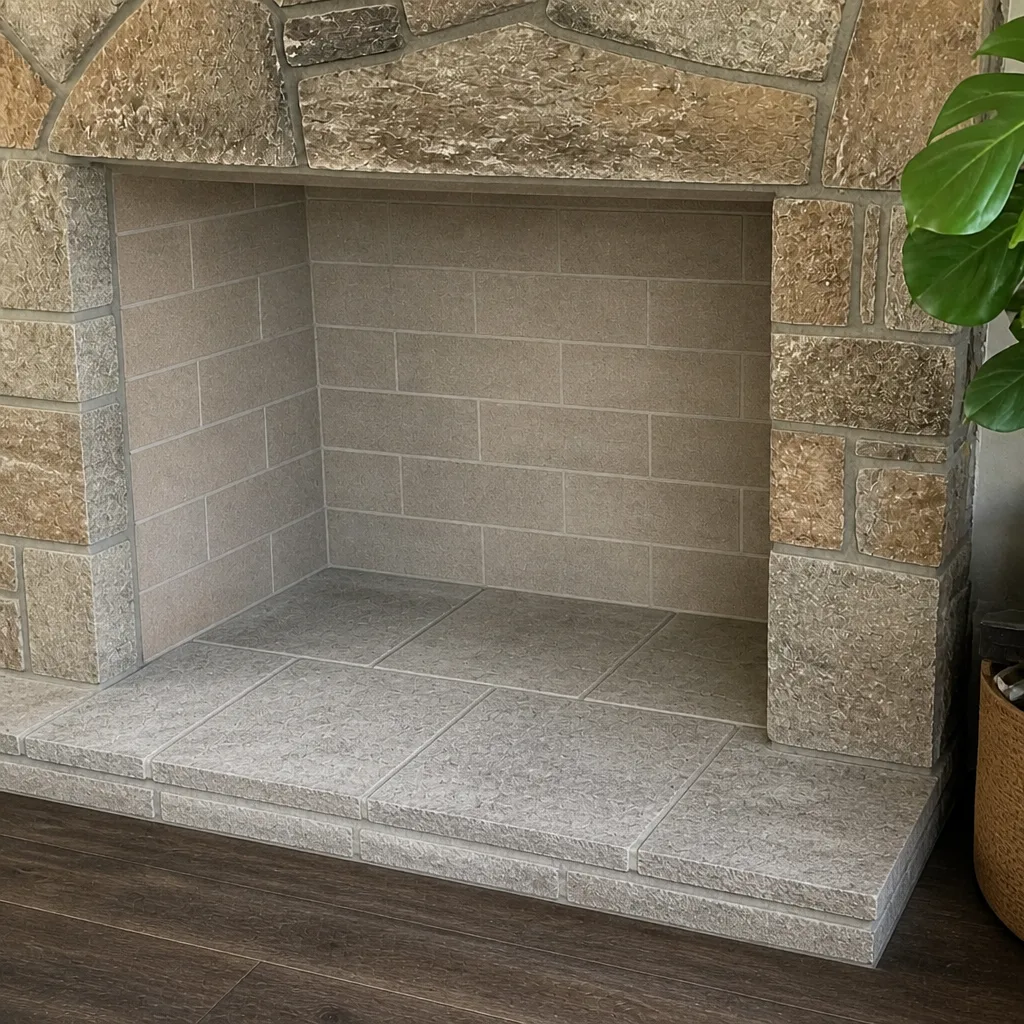
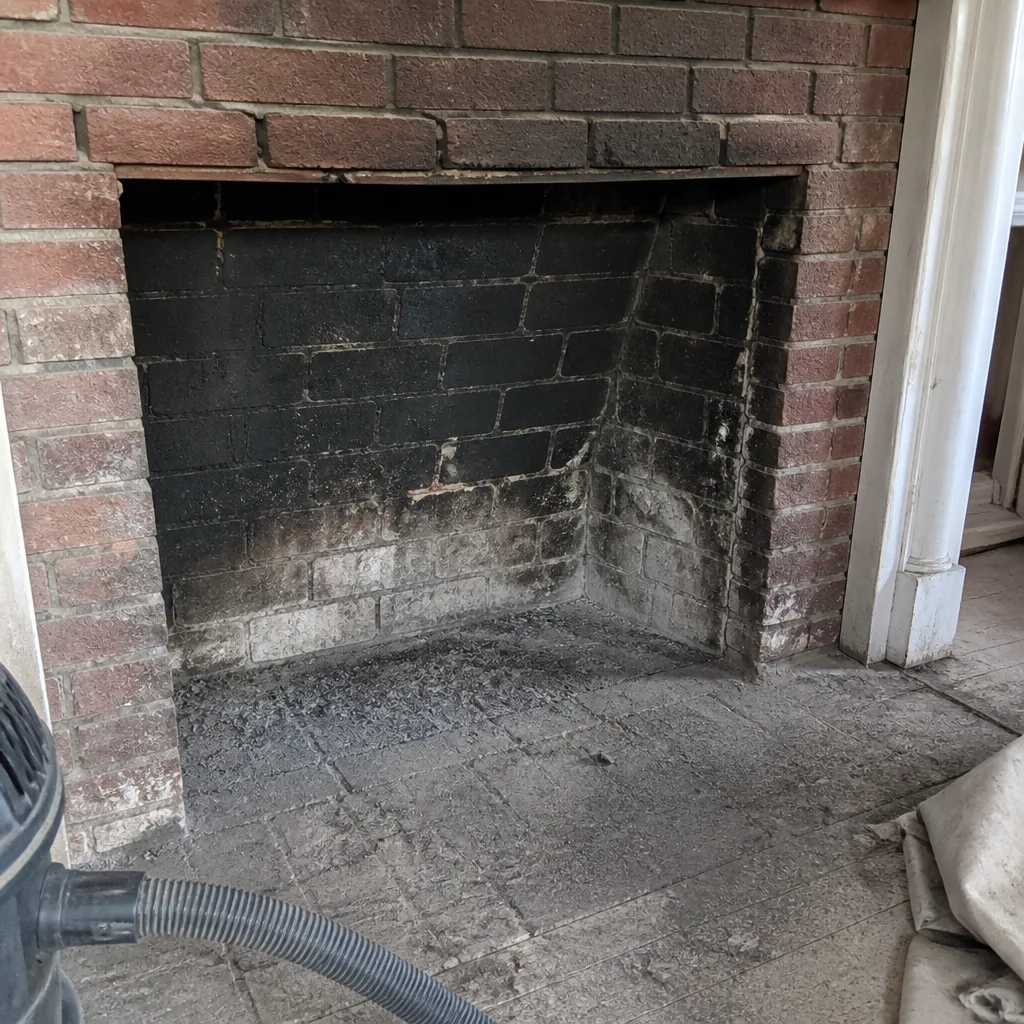
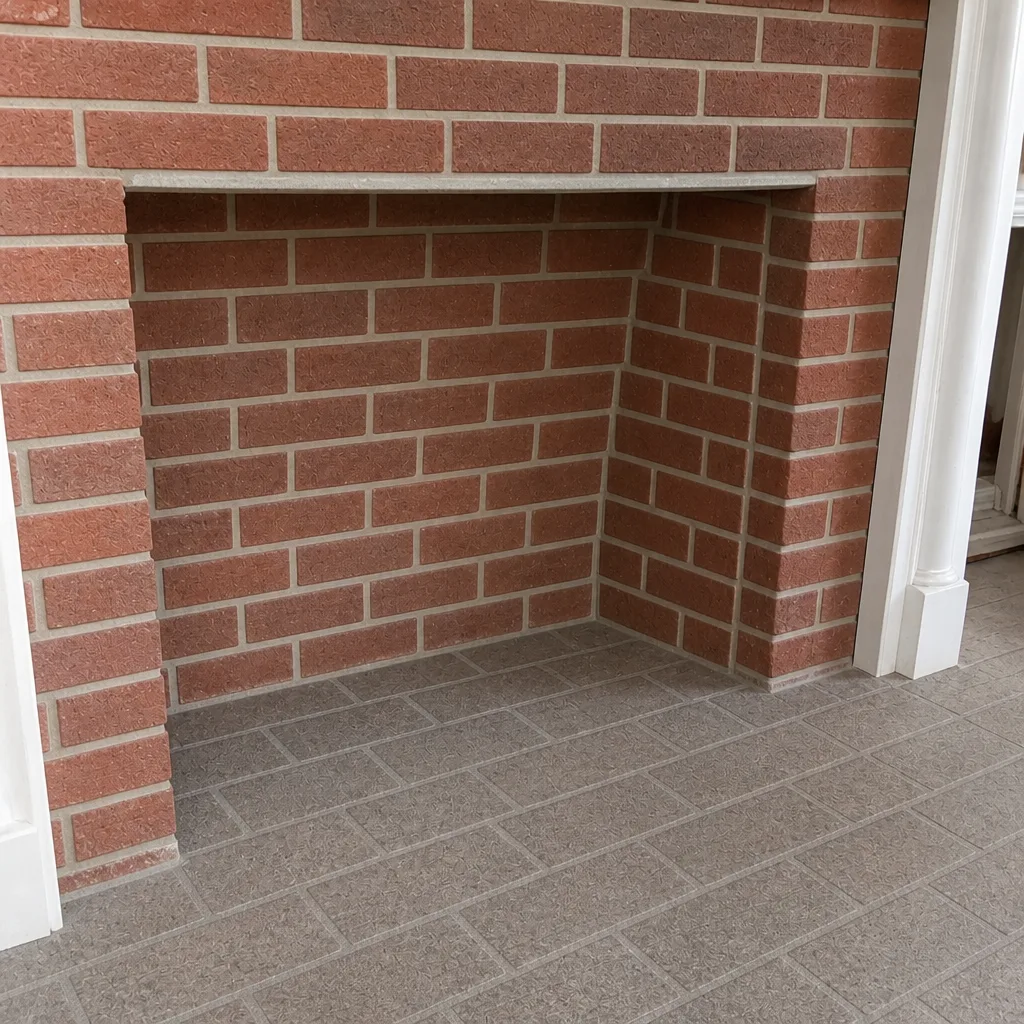
See the difference
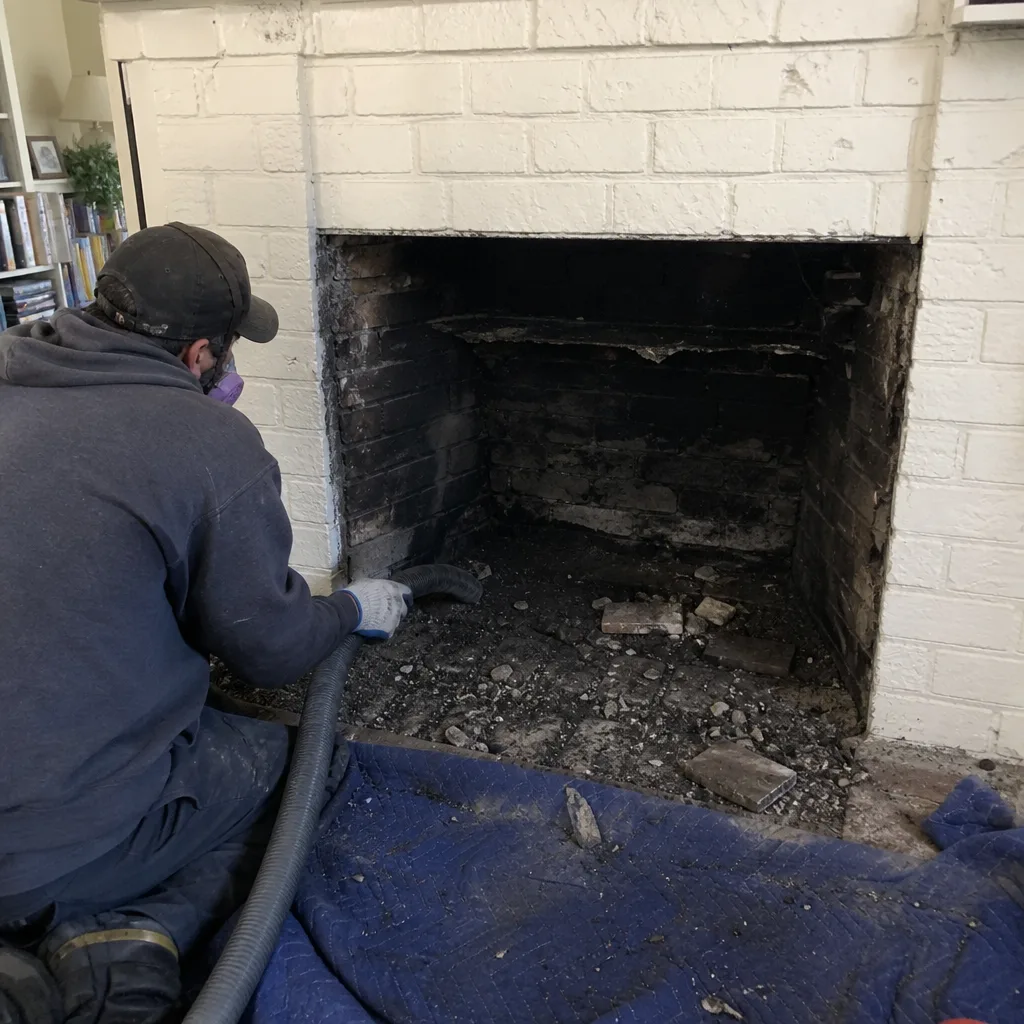 Before
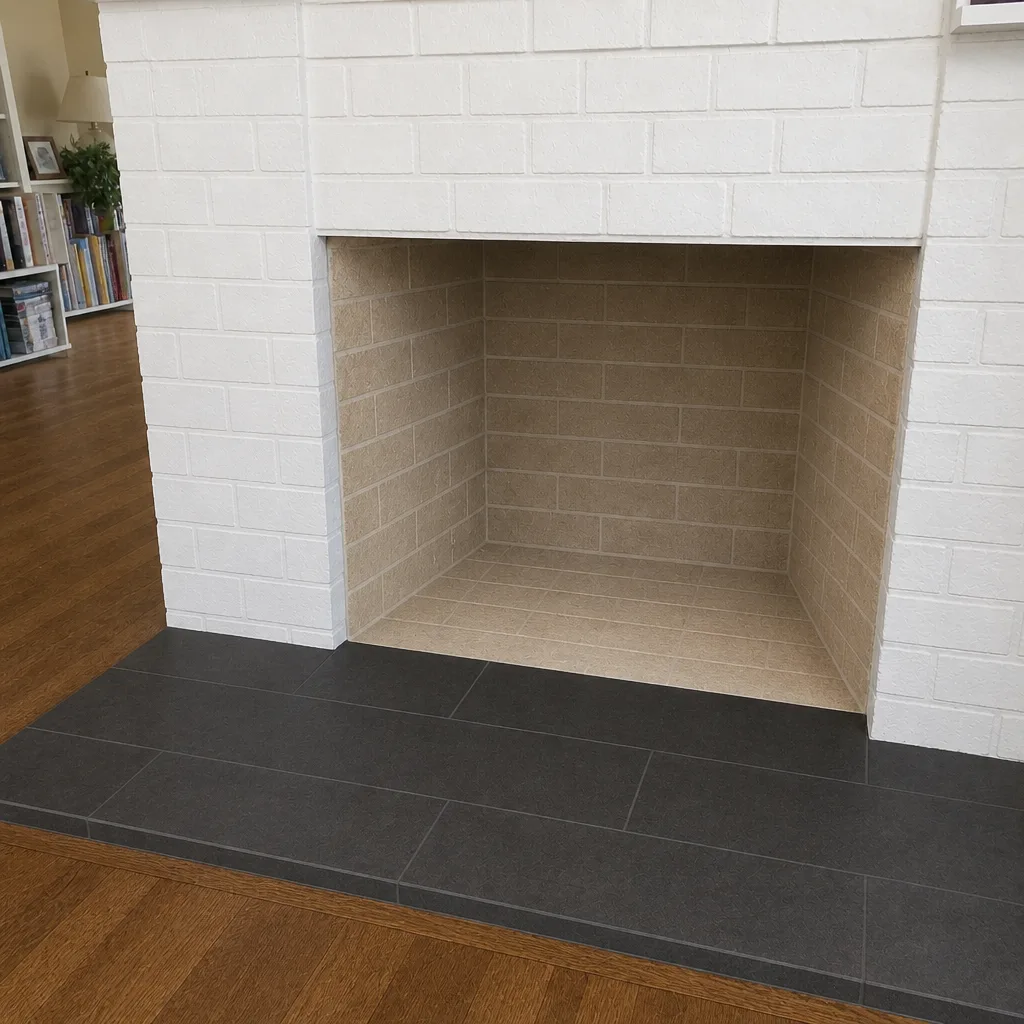 After
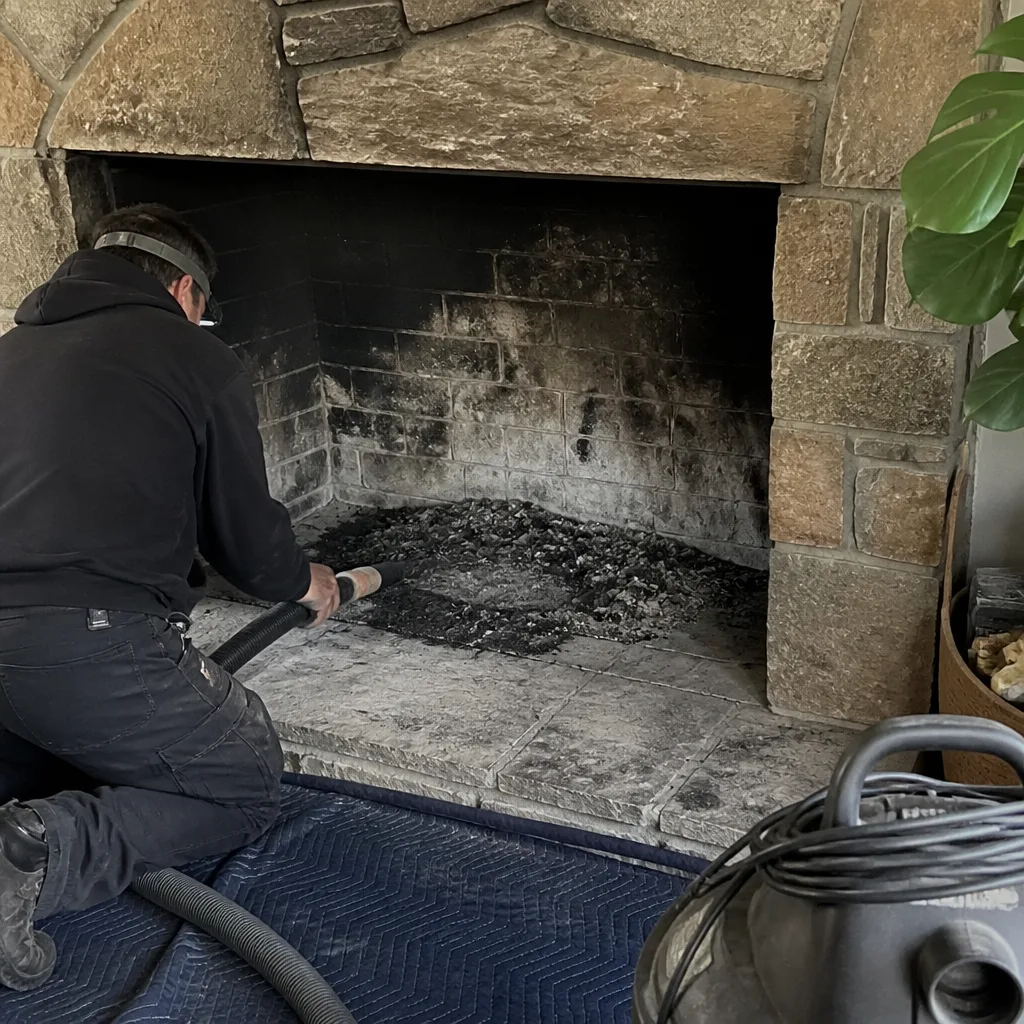 Before
 After
 Before
 After
When to Call a Professional
Call a professional if you haven’t had the chimney inspected in over a year, if you’re burning wood regularly through the winter, or if you’ve noticed any of the standard warning signs: creosote buildup visible above the firebox, a smoky smell in the room when the fireplace is not in use, water stains on the ceiling near the flue, cracked or missing crown mortar, a cap that’s loose or rusted, or a fire that’s started drafting poorly compared to prior seasons. Any of those is a reason to book an inspection before the next burn. Do not attempt to check the flue or the crown yourself; the safety risk isn’t worth the savings.
Every recommendation we make comes with camera evidence you can look at, and we’re clear when work can safely wait. Chimney Sweep Black Rock offers free estimates in Black Rock. Call (877) 792-7321 to book an inspection or a sweep. We answer 24/7, with fast dispatch from 7am to 7pm, Sunday through Friday, and we’re closed Saturday.
Frequently Asked Questions
The products a specialist uses depend on the flue condition, but the professional tier in this area includes DuraFlex flexible liners, HeatShield resurfacing compound, Gelco crown sealers, Olympia Chimney caps and accessories, and Famco fireplace components. Retail-grade creosote removers are sometimes used as a maintenance follow-up, but they aren’t the primary tool for heavy buildup. In our experience, the specific product matters less than whether the contractor can tell you what condition the flue is in and why that product was selected. Call (877) 792-7321 for a free inspection estimate.
Professional-grade chimney products are sold through trade distributors, name a specific manufacturer, and come with documented specifications and warranties. Retail products are sold at hardware stores under generic names, and they typically don’t come with a manufacturer warranty for installation work. If a contractor names DuraFlex, HeatShield, Olympia Chimney, Gelco, Famco, or Copperfield, they’re working from the professional tier. If they name none, ask them to. Call (877) 792-7321 to talk through specific products for your chimney.
Resurfacing is often an option when the flue has hairline cracks or moderate deterioration that hasn’t compromised the structural integrity of the clay tile, and HeatShield is the standard professional product for that. A full liner replacement is the right call when the flue is offset, unlined, or badly damaged. The only way to know which applies to your chimney is a camera inspection you can look at yourself. We recommend resurfacing only when the evidence supports it, and we say plainly when a liner replacement is the honest answer. Call (877) 792-7321 for a free estimate with camera evidence.
A stainless steel cap typically lasts considerably longer than a galvanized one in Western New York’s freeze-thaw climate, because the zinc coating on galvanized steel fails at seams and welds first. A galvanized cap may need replacement within a handful of seasons; a stainless cap from a professional manufacturer like Olympia Chimney or Copperfield should last much longer. The precise lifespan depends on pitch, exposure, and how well it’s fitted. Ask for the brand and material in writing on the estimate.
A DIY creosote remover is a legitimate maintenance tool for a flue with light glaze buildup, but it’s not a substitution for a sweep, and it cannot handle stage-two or stage-three creosote. Heavy deposits need a chemical treatment protocol followed by a mechanical sweep, and that’s professional-level work. Using a retail product on heavy glaze typically doesn’t reduce the fire risk and can damage the flue. If your goal is reducing creosote load, book a professional sweep first. Call (877) 792-7321 for a free estimate.
A sweep without an inspection cleans the flue but doesn’t tell you whether the flue is structurally sound, whether the crown has cracks, or whether the cap is failing. You’ll see a cleaner firebox, and you won’t see the water intrusion or the hairline crack that needs attention. In a climate like Black Rock’s, that crack can widen into structural damage over one winter. The inspection is the part that catches problems when they’re cheap to fix. Call (877) 792-7321 to book a sweep with a camera inspection included.
What should I check before signing an estimate for chimney repair?
Before signing, verify three things: the material brand (DuraFlex, HeatShield, or equivalent, written on the estimate), the scope of work including whether the crown, cap, and firebox are covered, and the warranty documentation in writing. Ask for camera evidence of the problem the repair is addressing. If any of those is missing, the estimate is a verbal promise, not a specifications document. Call (877) 792-7321 for a written estimate that includes all three.
The Bottom Line
The right chimney cleaning brand is the one that can be named, specified, and explained in terms of condition and chemistry by the contractor using it. Professional-grade materials like DuraFlex, HeatShield, Gelco, Olympia Chimney, and Famco exist for a reason: they’re designed for the flue conditions that retail products can’t handle. In Black Rock’s freeze-thaw climate, the material decisions around caps, crowns, and waterproofing often matter more than the cleaning itself, because water intrusion is the failure mode that costs the most. The framework to remember: inspect first, ask for product brands in writing, verify scope, and confirm the warranty. A sweep is the starting point, not the whole solution. A single company handling the inspection and the repair eliminates the coordination gaps that let problems slip. Keep your chimney dry, keep it clean, and keep the questions coming.
If you’re ready to book an inspection, a sweep, or a repair estimate, reach out. We answer 24/7, and dispatch runs from 7am to 7pm, Sunday through Friday. Call Chimney Sweep Black Rock at (877) 792-7321 for a free estimate.
Written by the team at Chimney Sweep Black Rock.