
Last updated November 24, 2026
 Sweep & inspection
 Caps & crowns
 Flue relining
 Masonry repair
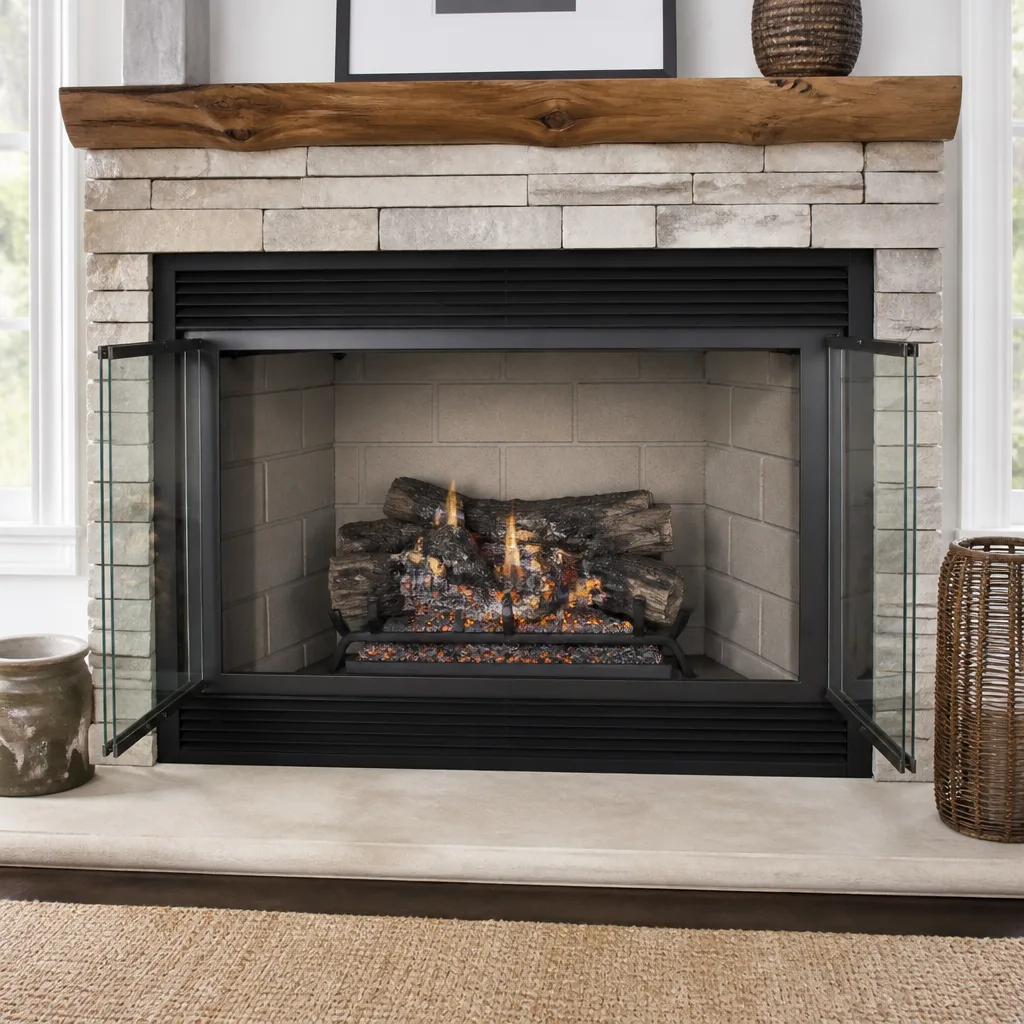 Gas fireplace service
Level 1 sweep and inspection to the NFPA 211 annual standard - flue, crown, cap, and flashing checked and photographed
Chimney sweep logs do not sweep chimneys. They loosen some creosote - which then falls where a brush and vacuum still have to collect it.
Chimney Sweep Troubleshooting in Black Rock: Common Problems and How to Fix Them
A smoky fireplace after a fresh sweep isn’t a sign the sweep did a bad job. It’s a sign the sweep was never the right fix to begin with. Most homeowners in Black Rock call us because their chimney is smoking, smelling, or staining the brick, and they assume a cleaning will solve it. Sometimes it does. Often it doesn’t, because the real problem lives in the flue, the cap, or the pressure balance inside the house, not in the soot. This guide walks you through how to read the symptoms correctly before you spend money on the wrong service. You’ll learn to tell a creosote problem from a liner crack from a draft failure, and to spot the structural warnings most people walk past for years.
Quick Answer
Most chimney problems in Black Rock fall into three groups: airflow and draft failures, creosote and moisture buildup, and structural damage to the liner, crown, or masonry. A sweep fixes the second group. It does not fix draft failures or structural damage, which is why a freshly swept chimney can still smoke. Diagnosing the right category first, using the tests in this guide, saves you from paying for a cleaning that won’t change anything.
Styles & brands we work with
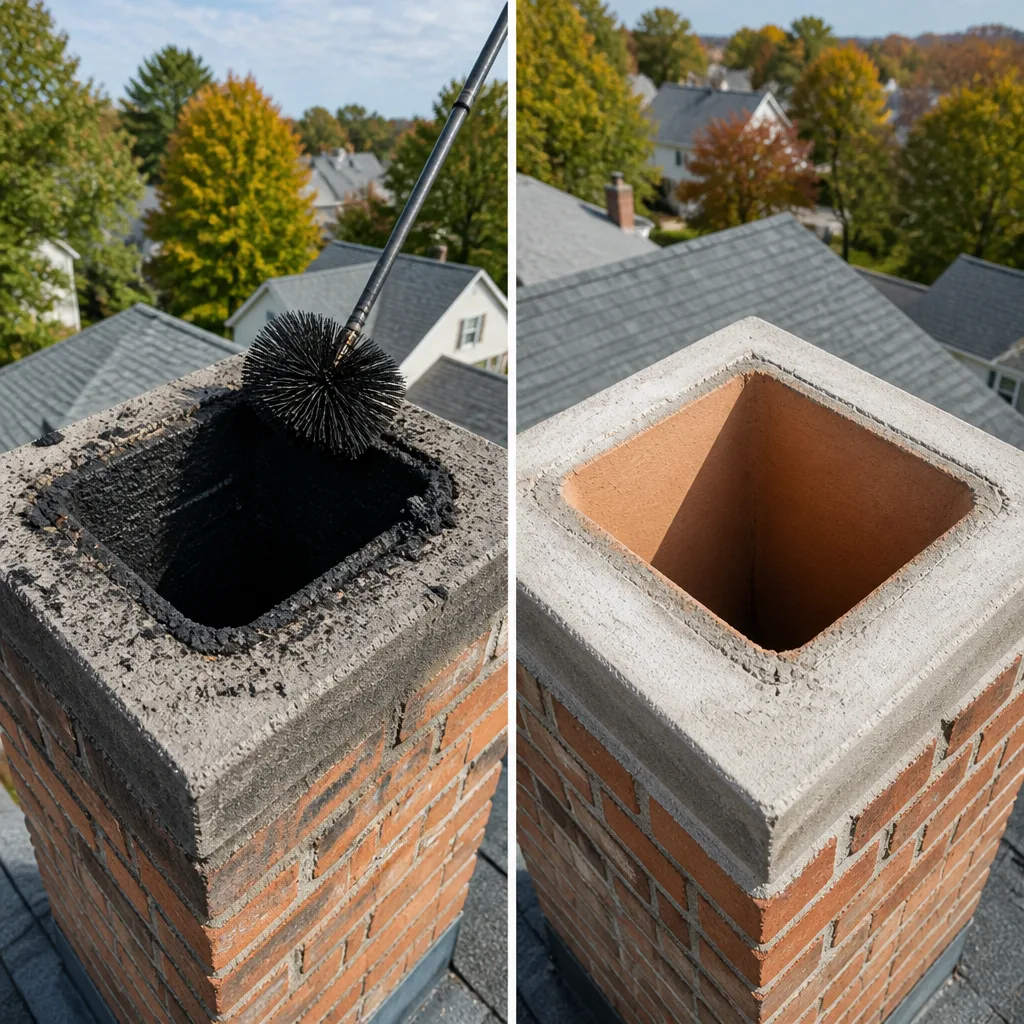
- Sweep & inspection
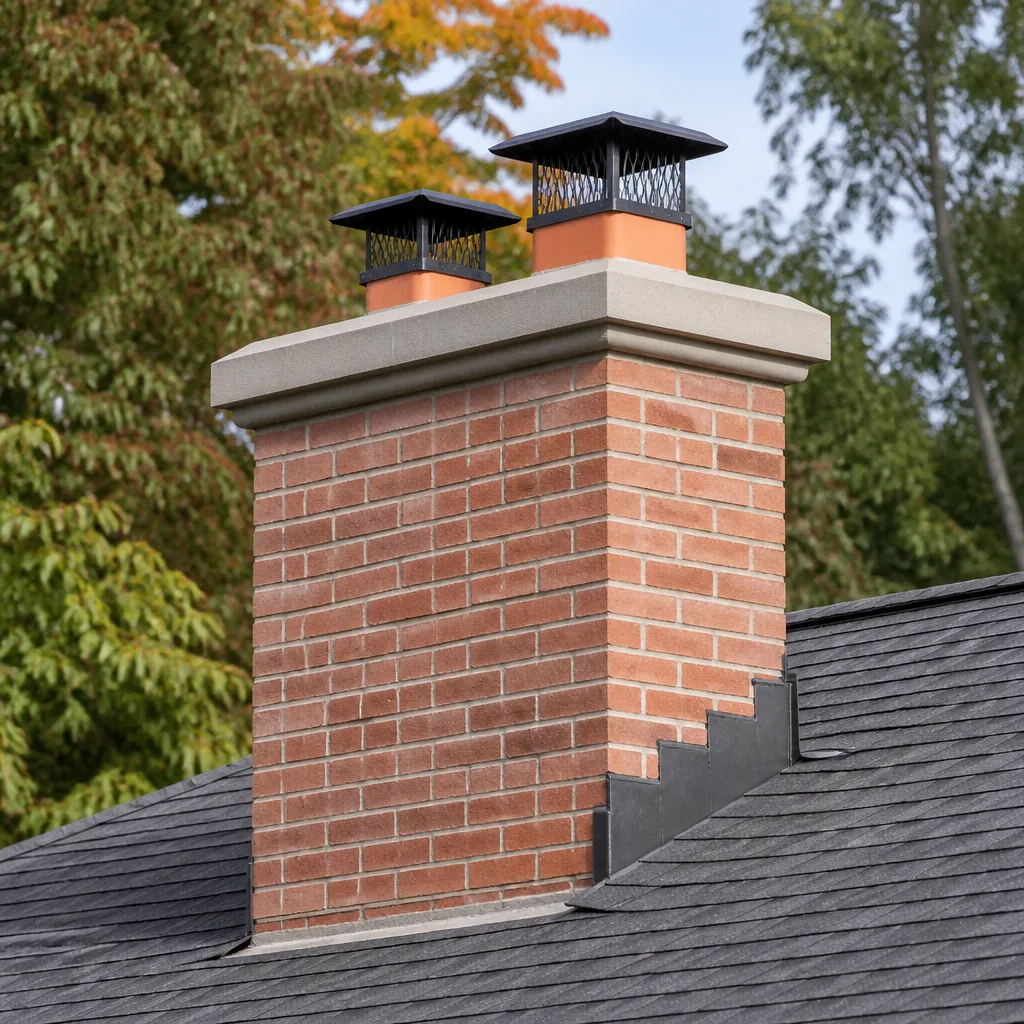
- Caps & crowns
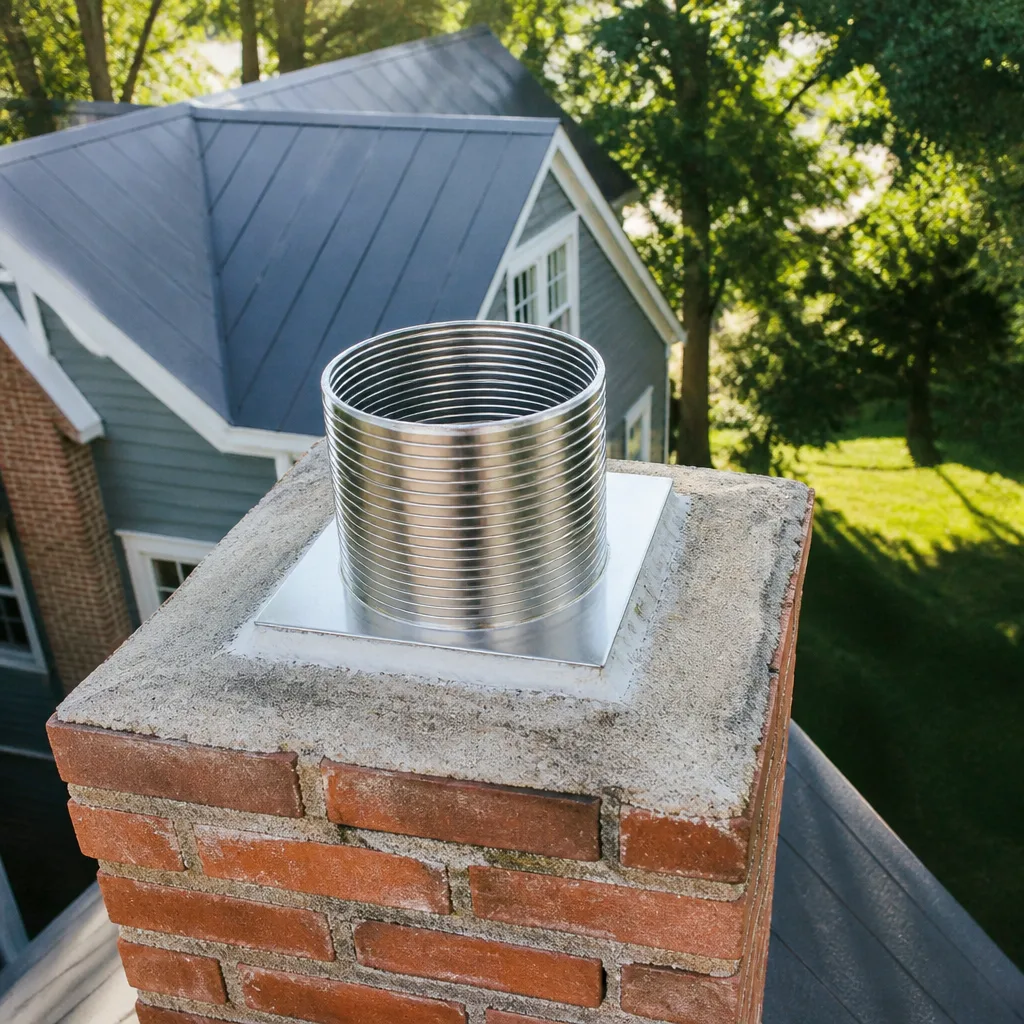
- Flue relining
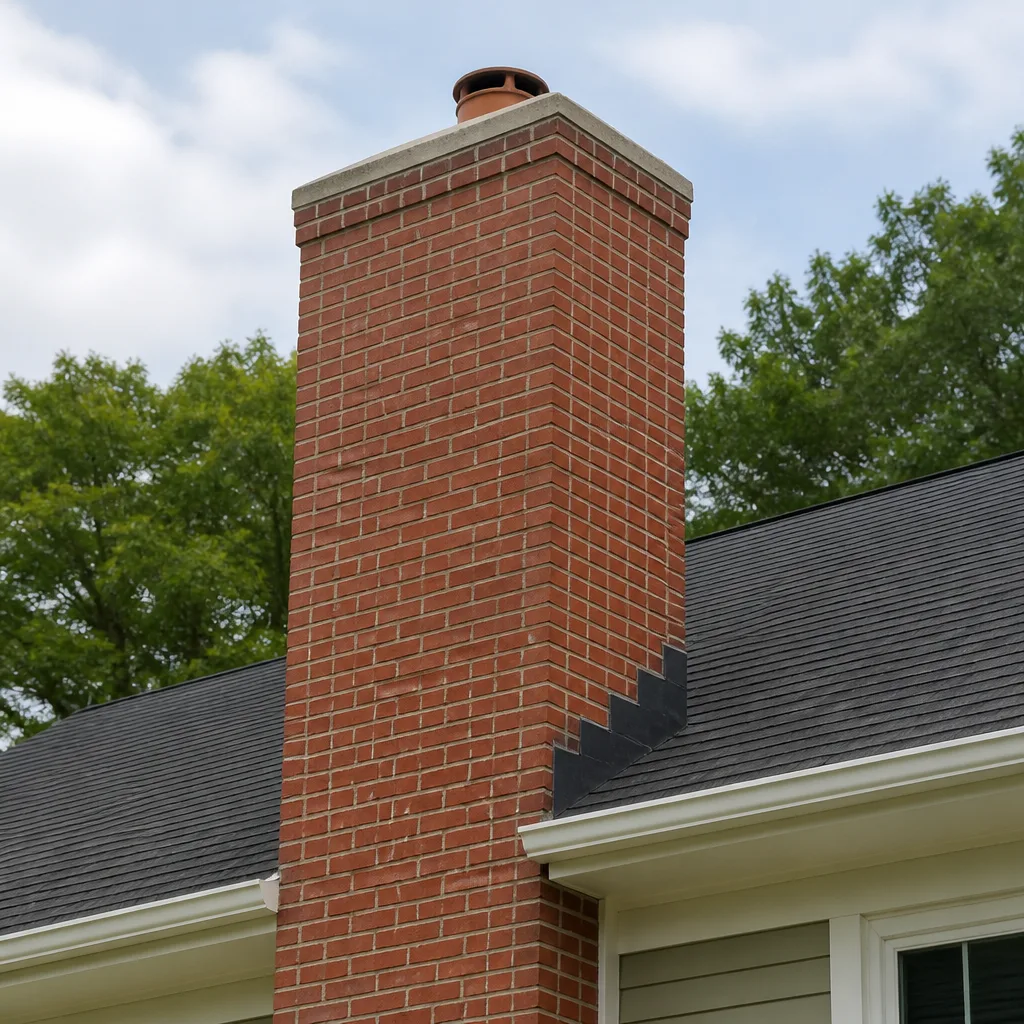
- Masonry repair
- Gas fireplace service
Table of Contents
- Draft Failure vs. Blockage: How to Tell Them Apart
- What Smoke Colors and Odors Tell You
- Why a Newly Swept Chimney Still Smokes
- Reading Spalling, Efflorescence, and Rust Stains
- What You Can Diagnose Yourself vs. What Needs a Camera
- Creosote Stages and What Each One Means
- Timing Your Sweep Around Black Rock’s Heating Season
- When to Call a Professional
Draft Failure vs. Blockage: How to Tell Them Apart
The single most useful distinction in chimney troubleshooting is between a blocked flue and a flue that won’t draw. They feel similar from the living room. Smoke rolls out, the fire struggles, the room smells. But they need completely different fixes, and treating one as the other wastes money.
A blockage is physical. Something is sitting in the flue: a bird nest, a collapsed chunk of liner tile, a leaf pack, or a heavy creosote shelf. A draft failure is a pressure problem. The flue is clear, but the house or the chimney geometry won’t let smoke rise the way it should. Cold flues, oversized flues, short stacks, and tight modern houses all create draft failures.
Here’s how to separate them with the newspaper flame test:
- Open a nearby window a crack. This relieves negative pressure from exhaust fans and tight construction.
- Roll a sheet of newspaper into a loose torch and light it. Hold it near the open damper, not inside the firebox.
- Watch the smoke. If it rises cleanly up the flue, your flue is drawing and the fire was likely starved for air or the flue was cold.
- Watch for backdraft. If smoke pushes back into the room even with the window cracked, you have a pressure or geometry problem, not a soot problem.
- Repeat with the window closed. A flue that draws with a window open but fails with it closed points to negative house pressure.
If the smoke drops or the flame struggles no matter what, suspect a blockage and stop using the fireplace until it’s inspected. In our experience across Black Rock, a fair number of “smoking chimney” calls turn out to be pressure failures in tightly sealed homes, not blockages at all. For a routine chimney sweep that rules out blockage first, we start the visit by confirming the flue is actually clear.
What Smoke Colors and Odors Tell You
Smoke isn’t just smoke. Its color and smell carry diagnostic information, and once you learn to read them you’ll know more about your chimney than most people ever do.
- Thick gray-black smoke with a sharp, acrid smell usually means wet wood or a cool, smoldering fire. It also builds creosote faster, because incomplete combustion deposits more tar on the flue walls.
- Bluish or hazy smoke drifting into the room points to a draft problem rather than a fuel problem. The fire is burning but the flue can’t carry the exhaust up and out.
- A musty, damp, earthy odor when there’s no fire is a moisture signal. Water is getting into the flue or the masonry, often through a failed crown or a missing cap.
- A sour, ammonia-like smell in spring or summer often means animals have nested in the flue. Birds and squirrels love an open chimney, and their debris both blocks airflow and creates an odor that gets worse in warm weather.
- A chemical, plasticky smell can come from burning treated or painted wood. Stop burning immediately and have the flue checked.
Color reading works best when you compare it to a known baseline. A hot fire on dry, seasoned hardwood should produce mostly clear heat shimmer with a thin wisp of light smoke at startup. Anything persistently dark or heavy is a combustion problem worth investigating. Black Rock homes that sit on tree-lined lots often deal with damp wood stored too close to the ground, and that shows up in the smoke before it shows up in the flue.
Why a Newly Swept Chimney Still Smokes
This is the frustration that brings a lot of people to us. The sweep came, the flue is clean, and the fireplace still smokes. It’s tempting to blame the sweep. In our experience the sweep usually did the job it was hired to do, and the real cause sits somewhere the cleaning never touched.
There are three common culprits, and none of them are residual soot:
- The cap is the wrong size or style. A cap that’s too small, too low, or the wrong design can choke the flue’s exhaust. A properly sized cap keeps rain and animals out without restricting draft. This is one reason we treat chimney cap & crown work as a real repair, not a cosmetic add-on.
- The flue is oversized for the firebox. Old Black Rock homes often have large masonry flues built for open hearths that once burned constant, roaring fires. Put a modern, efficient insert or a small fire in that oversized flue and the exhaust cools before it clears the top, so it stalls and spills. The fix is a properly sized liner, sometimes a flexible system like DuraFlex that can navigate an offset or aged flue rigid pipe can’t handle.
- The house is under negative pressure. Modern windows, weatherstripping, and exhaust fans all pull air out of a house. A fireplace is basically a giant hole, and if the house is tight, the pressure difference can overpower the flue. Crack a window and the smoking often stops, which confirms the diagnosis.
If you’ve had the flue cleaned and the smoking continues, the next step isn’t another sweep. It’s an inspection aimed at draft, cap sizing, and flue-to-firebox ratio. Structural fixes belong in the same hands that did the inspection, which is the reasoning behind one-company scope for both the chimney repair and the diagnosis.
Reading Spalling, Efflorescence, and Rust Stains
Water is the slowest and most expensive chimney problem there is, and it announces itself long before anything breaks. Homeowners walk past the signs for years because they look like normal weathering. They aren’t.
Three visual clues tell you water is winning:
- Spalling: brick faces flaking, peeling, or popping off the masonry. This happens when water soaks into the brick, freezes, expands, and forces the surface away. Black Rock gets real freezes, so any brick that cycles wet and cold will spall over time.
- Efflorescence: a white, chalky, powdery stain on the brick. It’s salt pushed to the surface as moisture moves through and evaporates. It’s not dangerous on its own, but it’s proof that moisture is traveling through your masonry.
- Rust staining: orange-brown streaks coming from the damper, the firebox, or metal components. Rust means metal is wet, and a wet damper or rusted liner connection is a real operational failure in the making.
Where does the water get in? Usually the top. A cracked crown, a missing or damaged cap, or failed flashing around the roofline are the most common entry points. The crown is the concrete or masonry cap at the very top of the chimney, and a small crack there lets water run straight down the flue. This is why a crown problem is never just cosmetic. Fix it early and you save the masonry underneath. Let it go and it finds its way to the liner and the firebox. We work with professional-grade materials, brands like Copperfield and Famco, precisely because cap and crown repairs need to last through freeze-thaw cycles, not just the next season.
What You Can Diagnose Yourself vs. What Needs a Camera
Some chimney problems are genuinely readable from the living room. Others require a camera to see anything at all, and guessing at those wastes money. Here’s an honest split.
You can diagnose these yourself:
- Whether the fire draws or backdrafts (the newspaper flame test)
- Whether the cap is visibly missing, damaged, or undersized
- Whether the crown is cracked or crumbling when viewed from outside
- Whether there’s spalling, efflorescence, or rust staining on the exterior
- Whether there’s a damp, earthy odor indicating moisture or animals
These need a camera inspection:
- Cracks or gaps in the flue liner, especially in a clay-tile flue
- Creosote thickness and stage on the flue walls
- Whether a flue is actually clear inside, beyond what you can see from below
- Offset or damaged flue sections that can’t be seen from the firebox
- The condition of the smoke chamber above the damper
A camera inspection is the difference between guessing and knowing. It shows the flue interior the way a doctor sees an X-ray rather than pressing on a bruise. Nothing structural should ever be recommended to you on the strength of a look up the flue from the firebox. We always want the camera images in front of the homeowner before recommending any liner or masonry work.
Creosote Stages and What Each One Means
Creosote is the tar-like deposit left behind by wood smoke, and it’s the leading cause of chimney fires. It builds in stages, and each stage calls for a different response. Knowing which stage you’re at tells you how urgent the cleaning is.
- Stage one: soot and light flake. A thin, dusty, flaky coating. This is normal and reduces draft and efficiency slightly. Regular sweeping removes it.
- Stage two: hard, shiny, crusty deposit. This is the transition point. It clings to the flue wall and won’t brush off easily. It needs a more serious cleaning and signals that your burning habits or wood quality are producing too much tar.
- Stage three: glazed, hardened, tar-like coating. This is the dangerous stage. It’s dense, fuel-rich, and can ignite. A glazed creosote layer won’t come off with a standard sweep, and it needs a technician who can assess whether the flue can be cleaned safely or restored.
How fast you get from stage one to stage three depends on your wood and your burning. Wet wood, cool smoldering fires, and restricted air all speed the buildup. Dry, seasoned wood and hot fires with plenty of air slow it down. If you suspect stage three, stop burning and get an inspection before the next fire. This is one place where a real sweep and a real inspection work as a pair, and it’s why we treat the inspection as the diagnostic step, not an upsell. HeatShield flue resurfacing is one option we can bring to a flue that’s deteriorated but not yet ready for full liner replacement.
Timing Your Sweep Around Black Rock’s Heating Season
Black Rock has a real winter, with enough freeze to stress brick and enough heating season to build up serious creosote. The best time to sweep the chimney is before the first cold stretch, not in the middle of it. When the fire is running every day, everything gets harder: the flue stays warm and soot-loaded, the roof is slippery, and you’re working around active use.
In our experience, the two calls that come in most often are the pre-season sweep and the “it’s cold and the chimney just started behaving badly” call. The second is usually a draft failure that was always there but only showed up when the fire started running hard. That’s a lot easier to diagnose in October than in January.
Here’s a reasonable rhythm for a Black Rock homeowner who burns regularly:
- Early fall: sweep and inspect. Catch flue problems while the weather is workable and the house isn’t in full heating mode.
- Mid-season: a quick visual check from the firebox and a look at the cap and crown from outside. Burn dry, seasoned wood and hot fires.
- Late winter: a second look if you’ve burned heavily. A hard winter can push a clean flue to stage two before spring.
You don’t need to obsess over an exact schedule. You do need to stop treating a chimney as fire-and-forget. A sweep, an inspection, and a look at the top of the stack are cheap compared to what water and creosote do when they’re ignored for several seasons.
How Chimney Sweep Troubleshooting Works in Practice
Once you’ve read the symptoms, the troubleshooting follows a predictable order. This is roughly the path we take, and it’s the same path a careful homeowner can follow to know when to stop guessing.
- Establish the complaint. Is it smoke spilling, an odor, water staining, or just a routine cleaning due? Each points to a different first step.
- Check the top of the stack from outside. Cap and crown condition are visible and they answer a surprising number of water questions immediately.
- Run the draft test. The newspaper flame test, with and without a cracked window, separates pressure failures from blockages.
- Do the camera inspection. Look at the flue interior, the smoke chamber, and the liner for cracks, gaps, or glazed creosote.
- Decide on a real fix. A sweep for creosote and soot, a cap or crown repair for water entry, a liner or resurfacing for structural failure, or a draft correction for pressure and flue sizing.
The reason we take this order seriously is that the same company handling the inspection and the fix means one party responsible for the whole diagnosis. There’s no finger-pointing between a sweep who says “the flue was fine when I left” and a liner contractor who says “this needed replacing before I got here.” The person who finds the problem is the person who fixes it. That’s the core of how we approach Chimney Sweep Black Rock work, and it’s why we want the camera images and the written findings in front of you from the first visit.
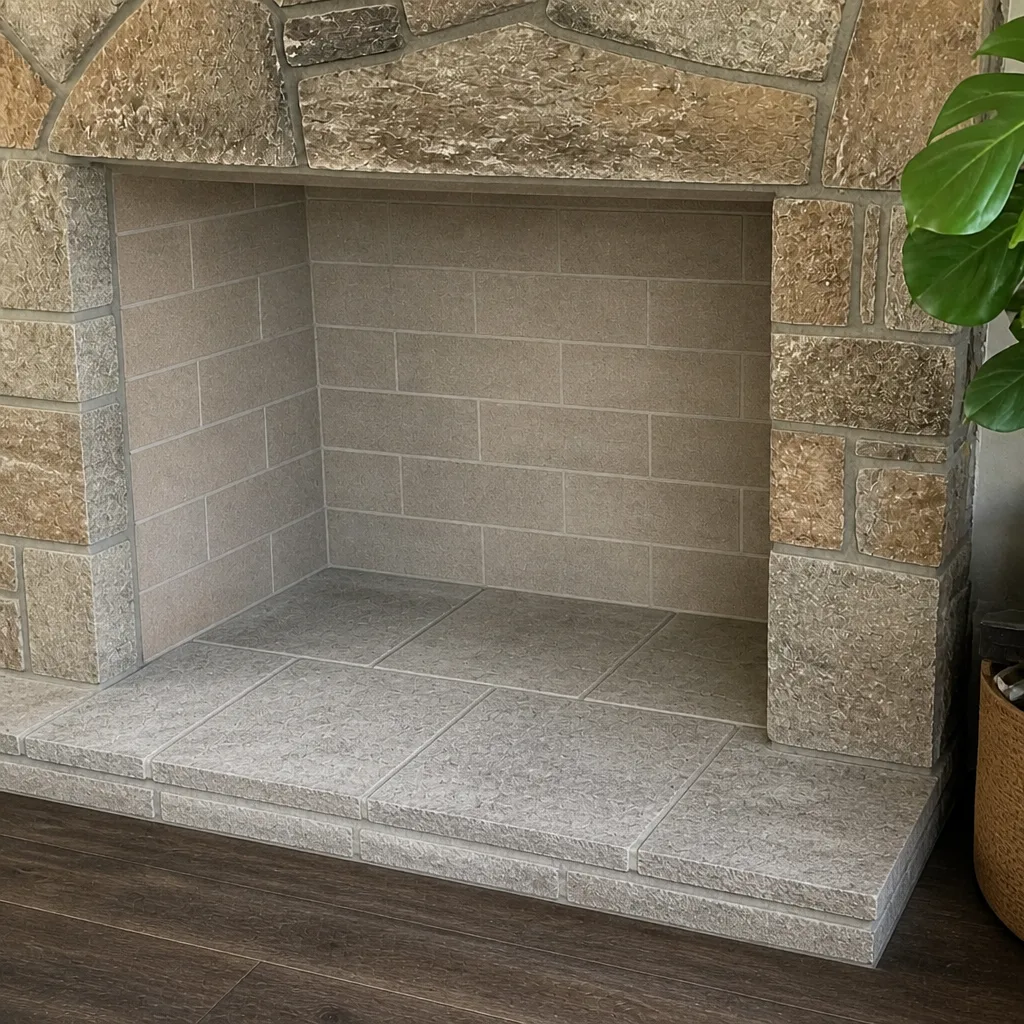
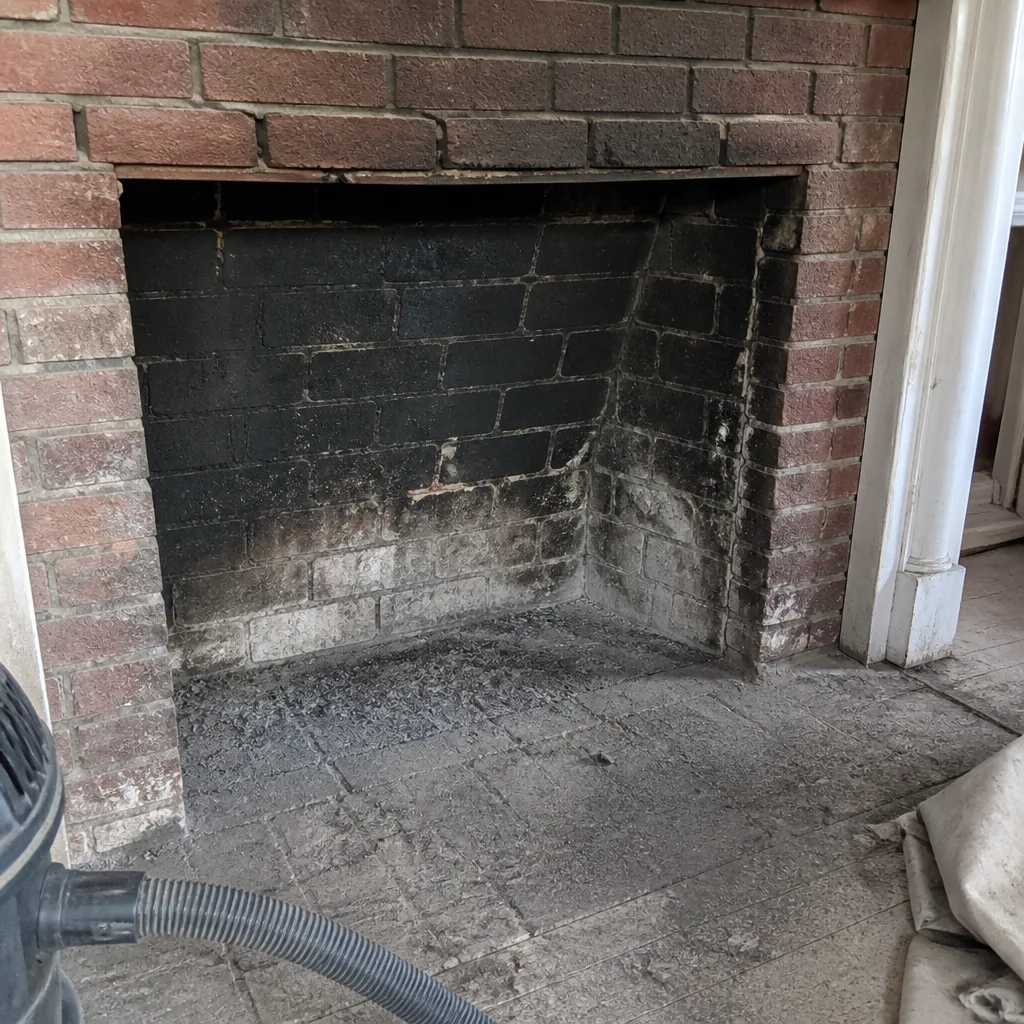
See the difference
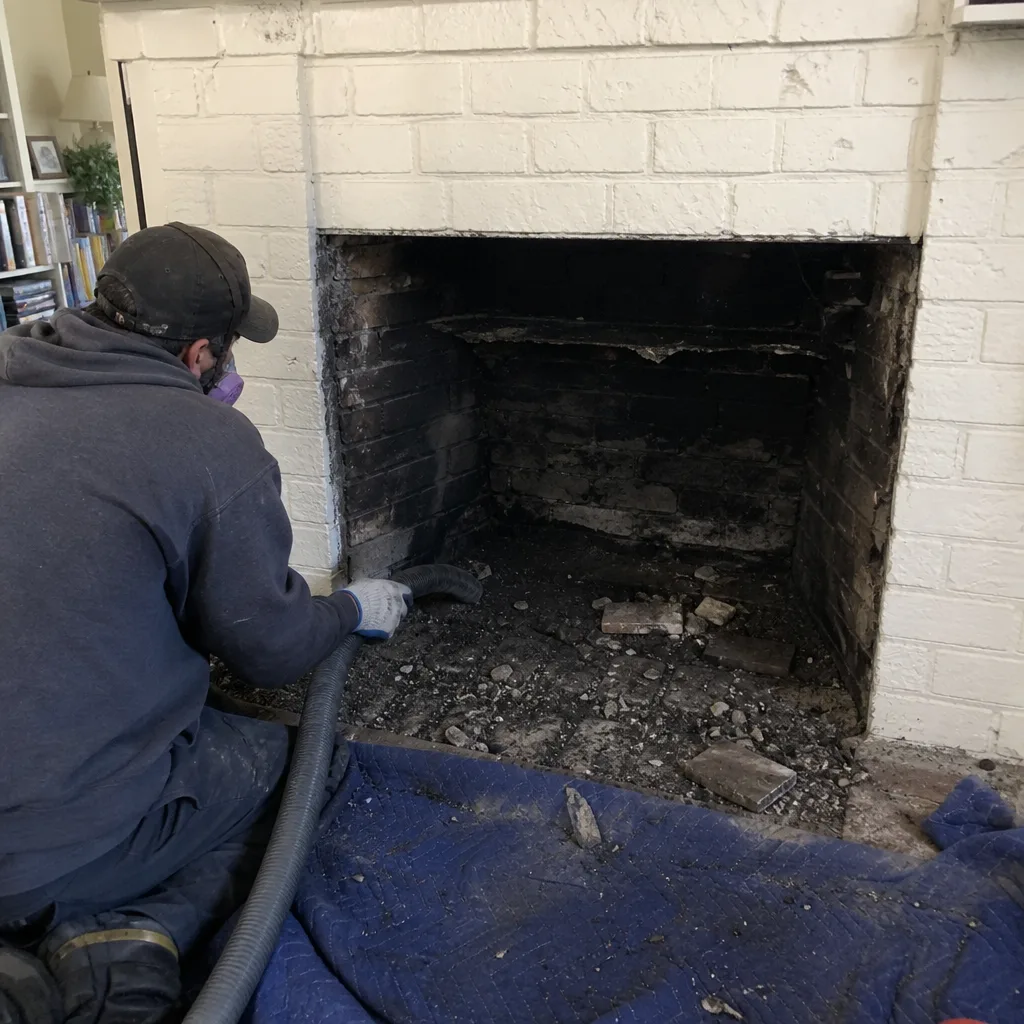 Before
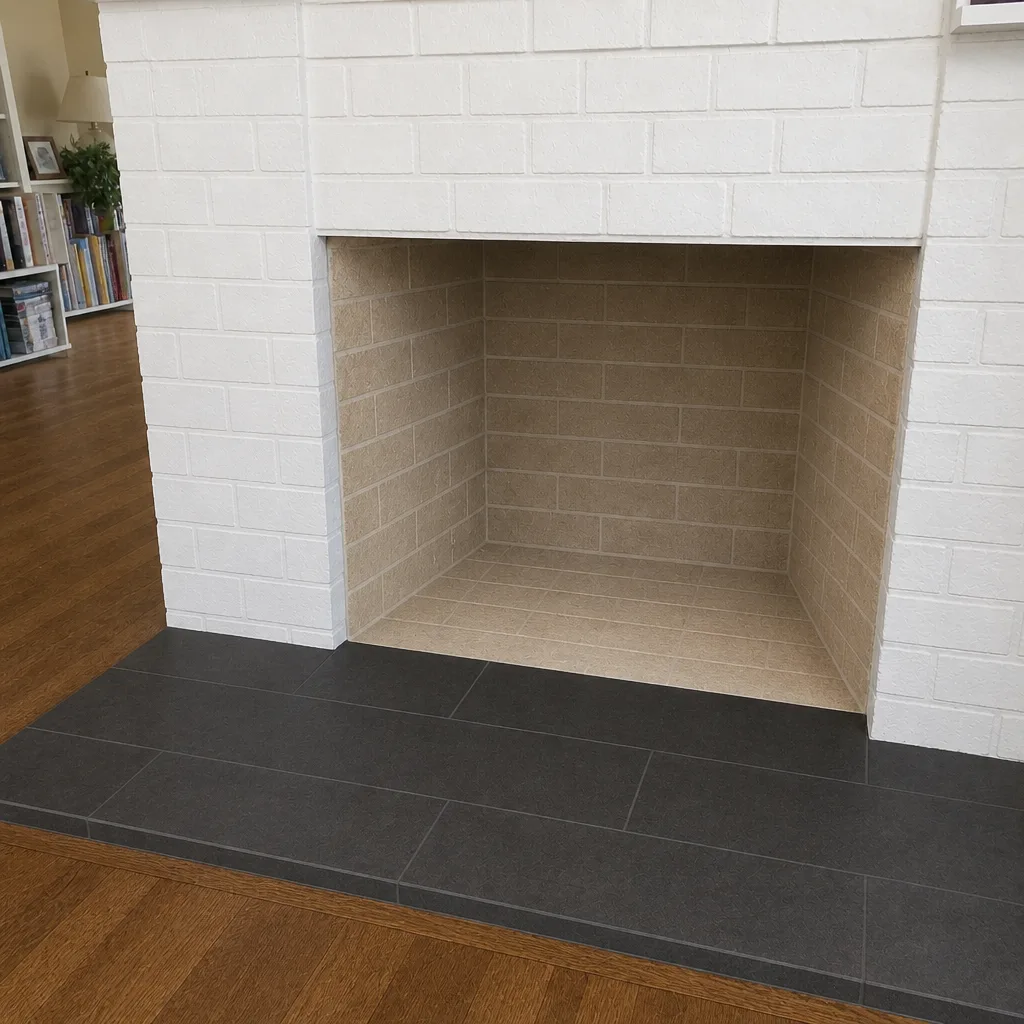 After
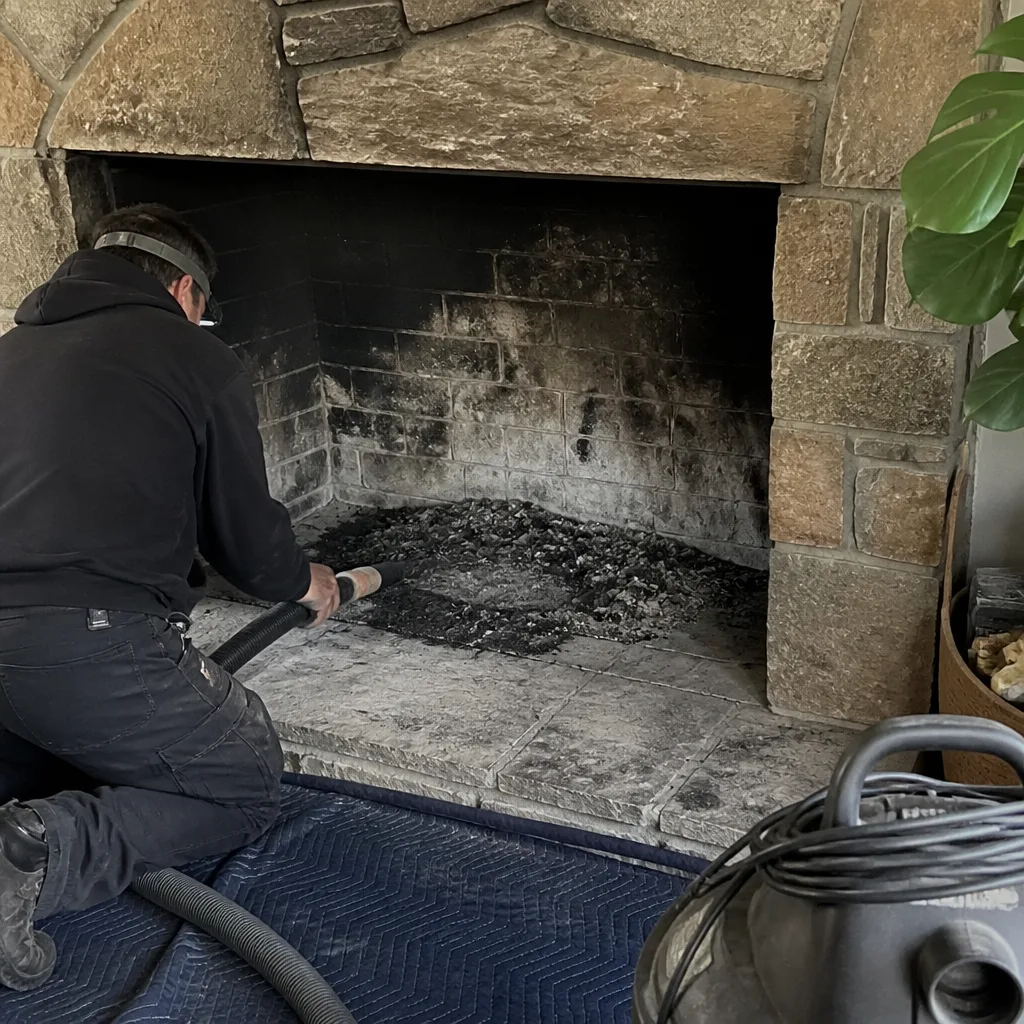 Before
 After
 Before
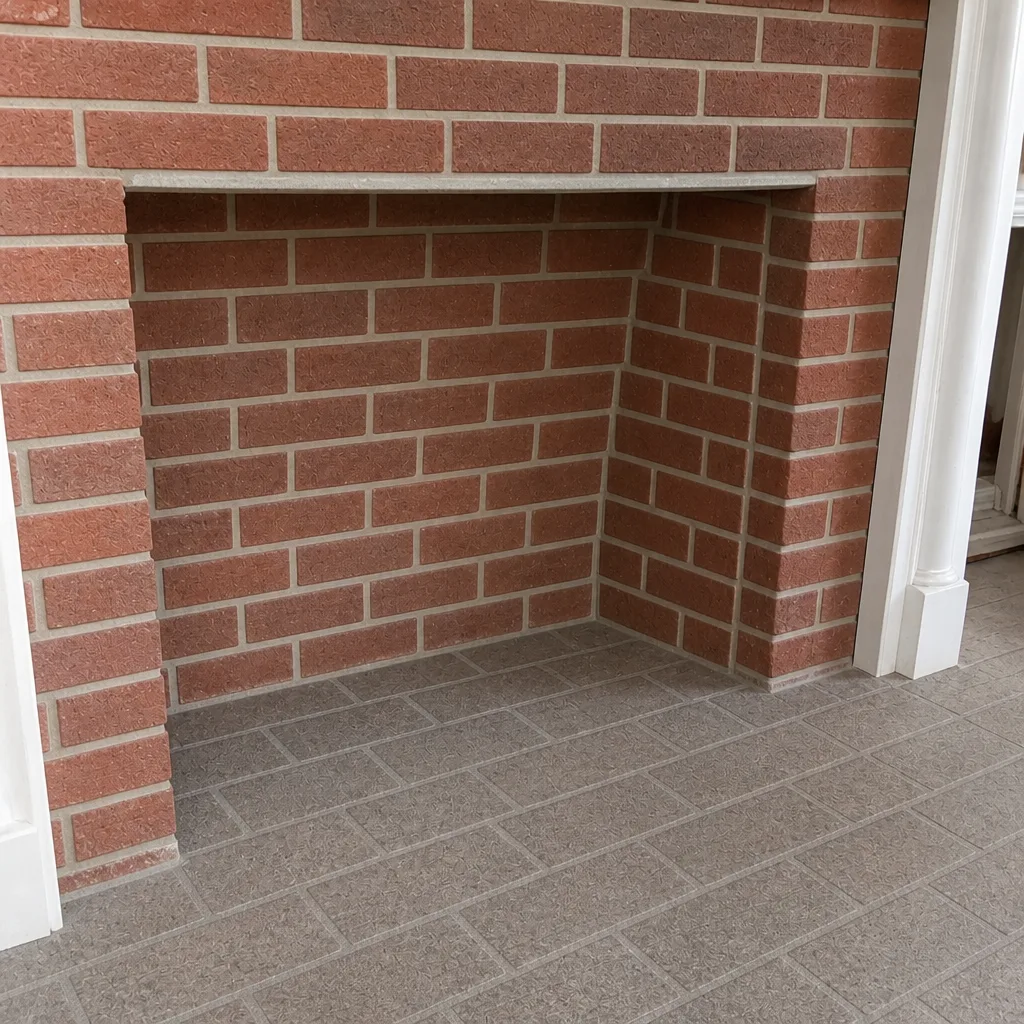 After
Common Mistakes to Avoid
- Assuming every problem is a cleaning problem. A smoke issue after a sweep is a draft or structural problem, and another sweep won’t change it. Read the symptoms first.
- Burning wet or “seasoned” wood that’s still damp. Wood that hisses and smolders deposits tar fast. Dry, split, seasoned hardwood keeps creosote in check and keeps your Black Rock flue cleaner.
- Ignoring a cracked crown because it looks cosmetic. A cracked crown is the number one path for water into the flue. Fix it while it’s a crack, not after it’s a liner failure.
- Running a fireplace insert in an oversized old flue without a liner sizing check. Many Black Rock homes have big open-hearth flues. An insert without a correctly sized liner is one of the most common draft failures we see.
- Skipping the camera inspection and approving liner work on a look from below. You can’t see flue cracks, offset sections, or glazed creosote from the firebox. Always ask for the camera images before approving structural work.
- Treating an animal odor as a “sweep it later” problem. Bird and squirrel nests block the flue and can send smoke and carbon monoxide into the house. Remove them promptly.
- Waiting until the fire is running daily to call. Pre-season is the easiest time to sweep, inspect, and repair. Mid-winter is the hardest and most disruptive.
When to Call a Professional
Call a professional the moment you suspect a structural problem: cracks in the flue liner, glazed creosote, a failed crown, or a liner you can’t see the inside of. Call when the fireplace smokes after a fresh sweep and the cap or flue sizing is suspect. Call when you see spalling, efflorescence, or rust staining, because that’s water doing damage. Call when a flue test shows backdraft that a cracked window doesn’t fix. Don’t wait for a chimney fire or a carbon monoxide alarm; those are the outcomes, not the warning signs.
Chimney Sweep Black Rock offers free estimates in Black Rock. Call (877) 792-7321. We answer 24/7. Fast dispatch from 7am to 7pm, Sunday through Friday. The estimate is free, the price is set per job by the written estimate, and we won’t recommend structural work you can’t see in a camera image for yourself.
Frequently Asked Questions
Pricing is set per job by a written estimate, and the estimate is free. The cost depends on the flue configuration, what’s found during inspection, and whether a camera check or repair work is needed. Call (877) 792-7321 for an exact quote; estimates are free.
Not always. A deteriorated flue can often be restored with HeatShield resurfacing rather than a full liner replacement, and some flues only need a cleaning. The right answer depends on what the camera inspection shows, and we won’t recommend a liner without showing you the evidence. Call (877) 792-7321 to book an inspection.
Annual sweeping is the usual baseline for a fireplace in regular use, and a Black Rock homeowner who burns most of the winter should treat it as a yearly step before the season. If you burn heavily or burn wood that’s less than fully dry, it should happen more often. Call (877) 792-7321 for an exact recommendation; estimates are free.
A sour or earthy summer smell usually means animal debris in the flue or moisture the summer heat is drawing out of the masonry. A damp, musty smell points to water intrusion through a failed crown or missing cap. Both are worth a look before the heating season returns; call (877) 792-7321 for an inspection.
Creosote keeps building and can reach the glazed stage, which is the leading cause of chimney fires. Water keeps working through a cracked crown, which leads to spalling brick and eventually liner failure. Neither gets cheaper with time. Call (877) 792-7321 for an exact quote; estimates are free.
Yes. A properly sized cap keeps rain and animals out and stops the most common path for water into the flue, without restricting draft. Caps and crowns are part of the full chimney scope we handle, so the same visit that finds a cap problem can repair it. Call (877) 792-7321 for an exact quote; estimates are free.
The Bottom Line
Most chimney problems aren’t cleaning problems, and treating them like one is where money gets wasted. Read the symptoms first: a draft failure is not a blockage, a smoking flue after a sweep is usually a cap or flue-sizing issue, and a fresh stain on the brick is water already at work. Know which problems you can diagnose yourself and which need a camera. And make sure the same company that diagnoses your chimney is the one that fixes it. Chimney Sweep Black Rock connects Black Rock homeowners with licensed, insured local professionals for inspection, sweeping, cap and crown, liner work, and fireplace repair. Call (877) 792-7321. We answer 24/7. Fast dispatch from 7am to 7pm, Sunday through Friday.
Written by the team at Chimney Sweep Black Rock.