
Last updated November 24, 2026
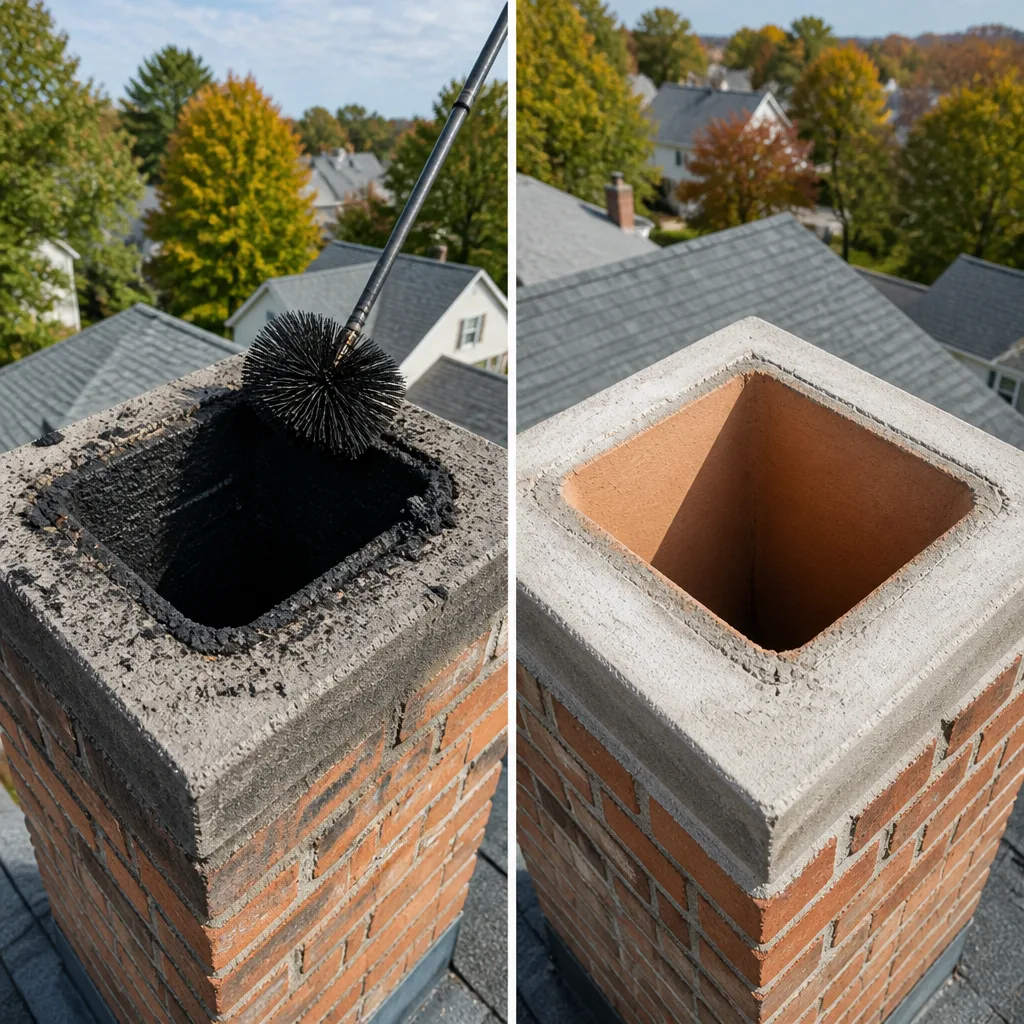 Sweep & inspection
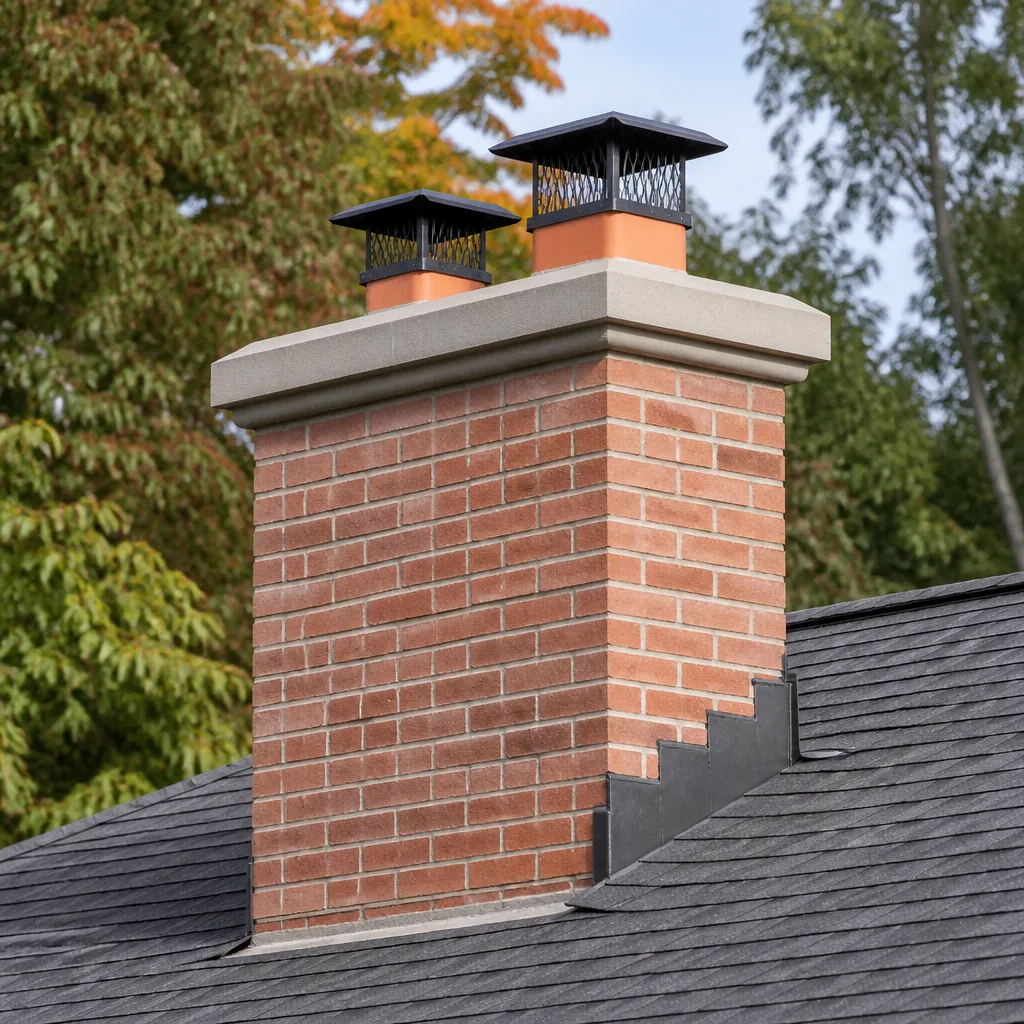 Caps & crowns
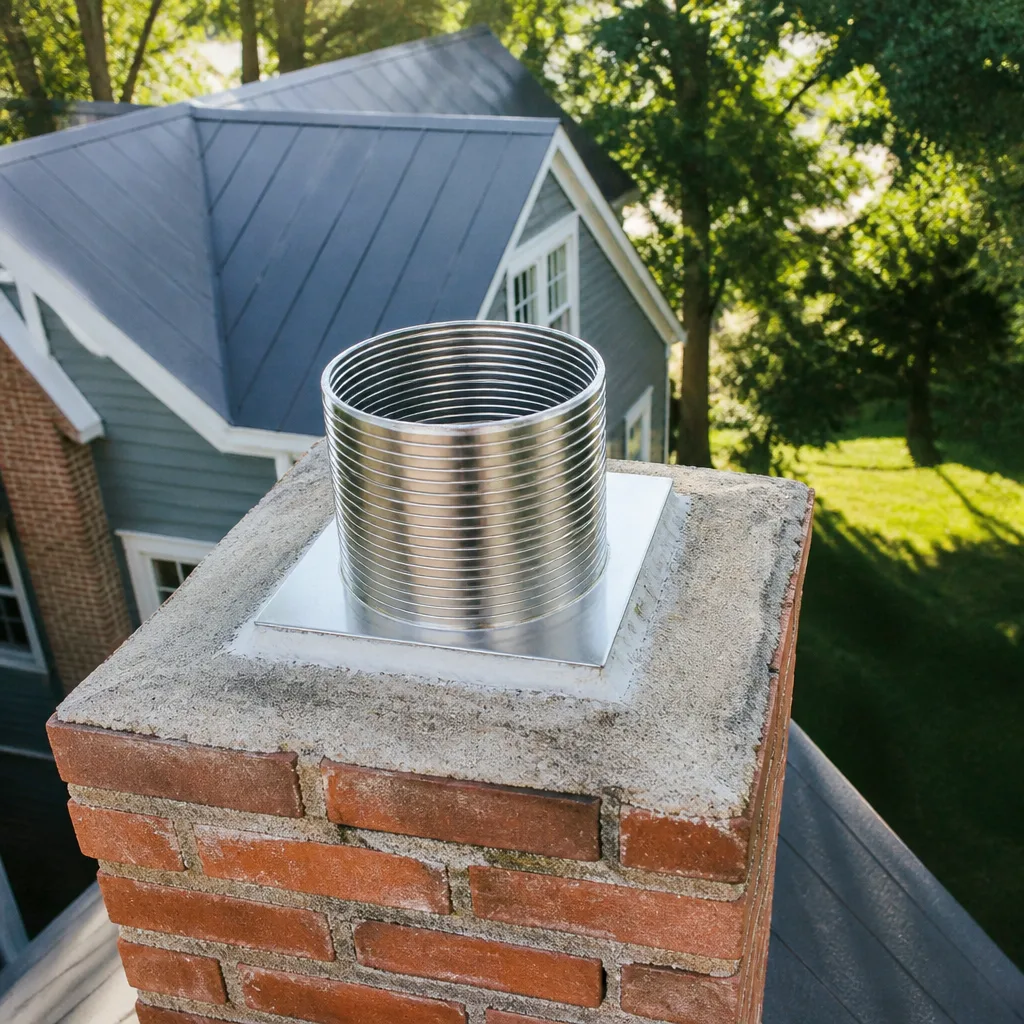 Flue relining
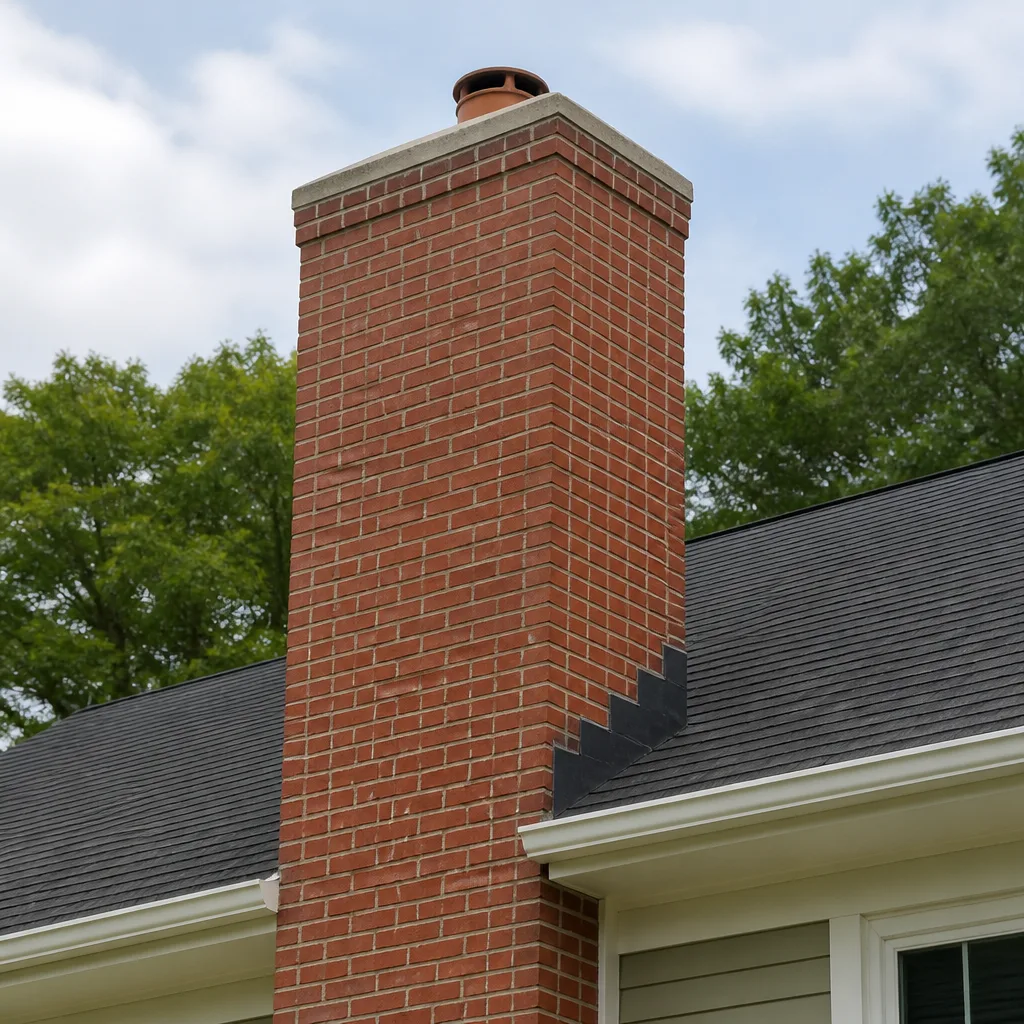 Masonry repair
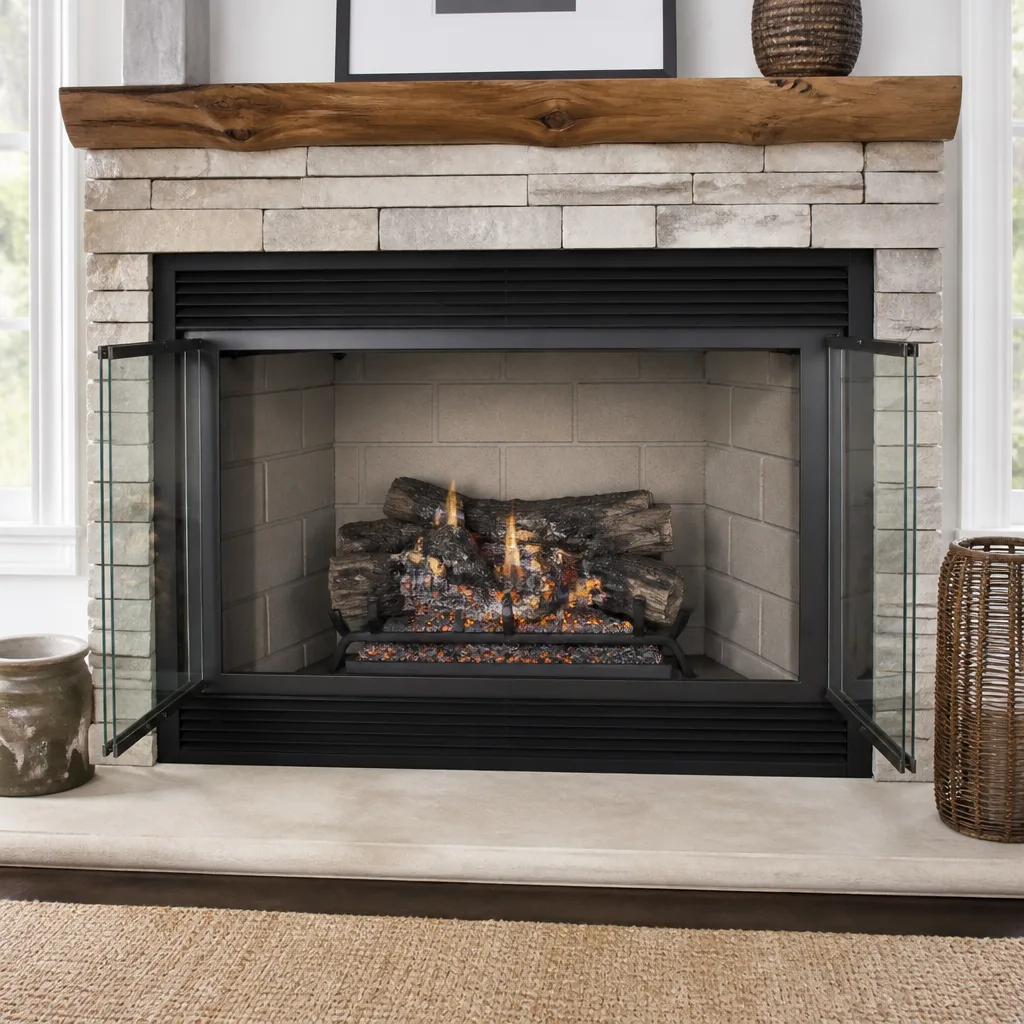 Gas fireplace service
Level 1 sweep and inspection to the NFPA 211 annual standard - flue, crown, cap, and flashing checked and photographed
Chimney sweep logs do not sweep chimneys. They loosen some creosote - which then falls where a brush and vacuum still have to collect it.
Chimney Cleaning Cost Breakdown: The Black Rock Homeowner’s Reference for 2026
The $99 chimney sweep special almost always covers a very specific job: a single-story house, one flue, no liner inspection, and no written report. If your home doesn’t match that exact profile, the invoice at the end rarely matches the number that got you on the phone. Most homeowners in Black Rock are surprised to learn that the gap between an $89 sweep and a $400 sweep is almost never profit margin. It’s scope. One price covers brushing a flue and leaving; the other covers camera inspection, liner assessment, and a written record you can actually use. This guide breaks down every line item so you can compare quotes honestly and know what you’re paying for.
Quick Answer
A properly scoped chimney cleaning in Black Rock typically runs $150 to $350 for a standard single-flue wood-burning fireplace, and $250 to $400 or more when the job includes a documented Level 2 camera inspection of the flue and a written report. The $89 to $120 “special” prices you see advertised usually cover only a single-story, single-flue sweep with no liner inspection and no written documentation. Final pricing in the Buffalo metro is set per job by a written estimate after the technician sees the flue.
Styles & brands we work with
- Sweep & inspection
- Caps & crowns
- Flue relining
- Masonry repair
- Gas fireplace service
Table of Contents
- Why Chimney Cleaning Quotes in Black Rock Vary So Widely
- What Goes Into a Properly Scoped Chimney Cleaning Quote
- Chimney Cleaning Cost Ranges for the Buffalo Metro in 2026
- How House Height, Flue Count, and Creosote Stage Affect Price
- What “Inspection Included” Actually Means
- Legitimate Add-Ons vs. Upsells You Can Decline
- How to Compare Quotes When Contractors Aren’t Scoping the Same Work
- Common Mistakes to Avoid
- When to Call a Professional
- Frequently Asked Questions
Why Chimney Cleaning Quotes in Black Rock Vary So Widely
The spread between the lowest and highest chimney cleaning quote on the same house in Black Rock usually comes down to what the technician intends to do once they’re on the roof and inside the firebox. Two contractors can both call their service a “chimney sweep” and mean two very different things.
A true sweep involves brushing the flue from the top or the bottom, clearing soot and creosote from the firebox and smoke shelf, and running a shop vac with a HEPA filter to keep the dust inside the house to a minimum. That’s the floor. What varies is everything after: whether the technician runs a camera down the flue, whether they write anything down, whether they assess the liner for cracks or gaps, and whether they check the crown, cap, and firebox for signs of water intrusion or structural failure.
A quote that leaves out the inspection and report is not dishonest – it’s just a smaller job. The problem is that the homeowner who chooses it usually doesn’t know what wasn’t looked at. In our experience across Black Rock and the surrounding Buffalo neighborhoods, the missing piece is almost always the liner assessment, and a liner problem that goes unaddressed at sweep time tends to surface later as a full liner replacement rather than a modest repair.
Chimney systems in this part of Western New York work hard. The region sees genuine freeze-thaw cycling through late fall and early spring, which opens hairline cracks in masonry crowns and mortar joints over time. Those cracks let water in, and water plus creosote is the combination that damages flues from the inside out. A sweep that doesn’t include a look at the crown and the liner isn’t verifying that the flue is safe to use; it’s only confirming the firebox is clean.
What Goes Into a Properly Scoped Chimney Cleaning Quote
A fully scoped chimney cleaning quote in Black Rock breaks into six parts. Not every job needs all six, but any quote you receive should be built from these components, and you should be able to see which ones are included.
- Sweep labor. The hands-on brush work: roof access, flue brushing, firebox and smoke shelf cleaning, and vacuum setup. This is the bulk of the base price and scales with height and flue count.
- Roof access and ladder work. Some roofs are walkable; steep pitches, slate, or icy conditions change the time and equipment the job takes. This affects labor price, not the sweep itself.
- Camera inspection of the flue. A borescope or camera run down the interior of the flue to look at the liner, joints, and any offset or damaged section. This is the piece most cheap quotes leave out.
- Liner assessment. Reading what the camera shows and connecting it to the appliance: is the liner the right type for a wood-burning fireplace, is it continuous, are the joints tight, is there visible cracking or gap evidence.
- Written report. A document that states what was found, what condition the chimney is in, and whether any repair is needed and why. This is the part you can take to a second opinion, an insurance question, or a real estate transaction.
- Debris removal and cleanup. Bagging and removing soot and creosote, floor protection during the work, and final cleanup. It should be in the quote, not added afterward.
We work with professional-grade materials – brands like HeatShield and Olympia Chimney that are specified by chimney engineers, not stocked at the hardware store. That matters at the quote stage because the technician scoping your sweep is the same one who’ll specify any repair. A company that can perform liner resurfacing with HeatShield or install a DuraFlex flexible liner to navigate an offset flue understands what the camera is looking for in a way that a sweep-only operation may not.
Chimney Cleaning Cost Ranges for the Buffalo Metro in 2026
These are typical, estimated ranges for Black Rock and the surrounding Buffalo metro in 2026. They are not exact quotes; the written estimate after a technician sees your chimney sets the final price.
| Line item | Typical range |
|---|---|
| Basic sweep, single-story, one flue, no report | $89 – $150 |
| Standard sweep, single-flue wood fireplace, with basic visual check | $150 – $250 |
| Sweep plus camera inspection of the flue (Level 2) | $250 – $400 |
| Multi-flue chimney (two or three flues swept) | $300 – $500 |
| Two-story house, roof access premium | adds roughly $40 – $90 to the sweep |
| Heavy creosote stage 3, requiring extra time and equipment | adds $75 – $200 or more |
| Chimney cap inspection or replacement | $150 – $450 installed, depending on cap type |
| Crown repair or sealing | $300 – $800, depending on extent |
| HeatShield liner resurfacing (small to moderate deterioration) | $1,200 – $2,800 |
| Full stainless flexible liner installation (DuraFlex or similar) | $2,500 – $6,500, depending on length and configuration |
None of the repair figures above belong in a cleaning quote unless the technician has found something and shown it to you on camera. If a quote arrives with liner replacement priced in before anyone has looked inside the flue, that’s a warning sign, not a thorough estimate. Repairs beyond the sweep should follow the inspection, not precede it. That’s also why we offer chimney sweep as a standalone service – some homeowners want an honest look at their chimney before they decide whether to buy repairs at all.
How House Height, Flue Count, and Creosote Stage Affect Price
Four factors move the number more than any other in Black Rock. Understanding them lets you predict your own quote almost before you pick up the phone.
House height and roof access
A one-story ranch with a walkable pitch is the cheapest sweep to perform. Every extra story means more ladder work, more time on the roof, and more setup, which typically adds $40 to $90. Steep pitches and fragile roofing materials like slate or aged shingles also push the price up because the technician takes more time and equipment to do it safely.
Flue count
Each fireplace or appliance flue is swept separately. A chimney with two flues – common in older Black Rock homes where a wood fireplace and a furnace or boiler share the same chimney stack – doubles the brush work. Gas furnace flues also need their own inspection, and those get checked for a different set of problems than a wood flue.
Creosote stage
Creosote builds up in three roughly recognizable stages. Stage 1 is a light, fluffy soot that brushes out easily. Stage 2 is a flaky, moderately hardened deposit that takes more passes and more time with the brush. Stage 3 is a glazed, hardened shell on the flue wall that neither brushes nor scrapes off easily; it often requires chemical treatment or more aggressive mechanical cleaning, and it’s the stage most strongly associated with chimney fire risk. A stage 3 flue is not just a price increase; it’s a reason to book the sweep sooner, not later.
Appliance type
A wood-burning fireplace with a firebox opening is the most common and familiar quote. Wood inserts and freestanding stoves add complexity through the flue collar and the way the liner connects. Gas fireplaces and gas appliance flues require different inspection points and, in some cases, different tools. Each of these shifts the time estimate and so the price.
What “Inspection Included” Actually Means
“Inspection included” on a sweep quote can mean almost anything. The industry separates inspections by scope, and the difference matters enormously when you’re trying to decide whether your flue is safe to burn in this season.
- A visual sweep-along glance. The technician looks inside the firebox and up the flue from below, notes what’s visible, and moves on. This is not a documented inspection and is not appropriate for a flue with any known or suspected problem.
- A Level 1 inspection. A more careful visual inspection of the accessible portions of the chimney, firebox, and appliance connection, typically done at the same time as a sweep. Fine for a chimney in routine condition with no history of problems.
- A Level 2 camera-documented inspection. A camera run through the full length of the flue, with the findings recorded and included in a written report. This is the baseline you want when the chimney hasn’t been looked at in years, when you’ve changed appliances, when there’s a leak, or when you’re buying or selling the house.
- Higher-level investigation. When a known problem needs to be diagnosed – a suspected breached liner, a recurring water issue, or structural concerns – technicians may go further. This is a different job than a routine sweep.
When a quote says “inspection included,” ask which of the above it is. If the contractor can’t tell you whether the camera goes down the flue, that’s the answer. A sweep without a camera-documented look at the liner doesn’t rule out liner damage, and in this climate a cracked crown or a hairline mortar failing is the routine cause of water reaching the flue interior. We see this pattern often in Black Rock: a homeowner calls because the fireplace smells in spring, and the camera shows a failed crown above letting water in year after year. A sweep alone would have left that untouched.
A chimney cap and crown are part of the same system, and treating them as cosmetic is where water problems begin. The right approach to chimney cap & crown work is to treat them as the first line of defense against water intrusion, not a finishing detail. If the crown is cracked or the cap is missing, that shows up downstream as liner damage.
Legitimate Add-Ons vs. Upsells You Can Decline
Every sweep has a menu of add-ons, and some are worth it while others can safely wait. Here’s how to tell the difference in real time.
Legitimate add-ons
- Camera inspection if it wasn’t in the base scope. Worth paying for whenever the liner has never been looked at or when the chimney has seen more than two seasons since the last documented check.
- Cap replacement or repair. A missing or rusted-out cap lets water and animals straight into the flue. If the cap is damaged, replacing it is a real fix, and it’s cheaper than the liner repair a wet flue eventually needs.
- Crown sealing or repair. A cracked crown channels water into the masonry – a straightforward, legitimate repair when the camera or roof inspection shows cracking.
- HeatShield flue resurfacing on mildly deteriorated flues. When the liner has hairline cracks or surface deterioration but isn’t structurally failed, HeatShield restoration can extend its life without a full stainless liner. That’s a real option in the right condition.
- Firebox mortar repair. Cracked firebox joints are a known source of smoke and heat loss into the chimney surround and worth addressing when found.
Add-ons you can often decline or defer
- Full liner replacement offered before any camera inspection. Decline until you’ve seen the evidence. A reputable technician will show you the camera footage before recommending replacement.
- Full liner replacement offered when a resurfacing would solve the problem. Ask specifically why resurfacing isn’t an option for the condition found. Sometimes replacement truly is the right call (an offset, a collapse, a discontinuity), but sometimes it’s the default answer when other options weren’t considered.
- Chimney “repainting” or cosmetic masonry sealing. Cosmetic work is fine as a choice but shouldn’t be pitched as a repair. Structural problems don’t disappear under a seal.
- Whole-chimney rebuild proposals without a documented failure. Rebuilds are real jobs in real cases, but they belong after a documented diagnosis, not on the first visit.
One practical rule: any add-on over a few hundred dollars should come with a camera image or a physical explanation you can point to. Nothing should be recommended without evidence you can see. And when work can safely wait until the spring, we say so; a sweep isn’t a hard sell.
How to Compare Quotes When Contractors Aren’t Scoping the Same Work
Three quotes for “chimney cleaning” from three contractors can look identical on paper and describe completely different jobs. Normalizing the quotes means making each one show its scope line by line, then comparing on scope, not on the bottom number.
- Ask for a line-item quote, not a single price. Insist on seeing the sweep, camera inspection, liner assessment, written report, and cleanup broken out separately. A $150 “sweep” and a $350 “sweep plus inspection plus report” are only comparable when you can see what’s missing.
- Confirm whether the camera goes down the flue. This is the single biggest scope difference between quotes. It determines whether the quote covers a liner assessment at all.
- Ask what the written report will include. A written report should state the chimney’s condition, what was found, and whether any repair is needed. If there’s no report, that’s a smaller job than the one that includes it.
- Ask who performs any repair. If the same company can carry the job from sweep through liner work, that’s one point of accountability and one fewer hand-off. When inspection and repair live with different companies, the blame-shifting is the homeowner’s problem.
- Compare on condition, not just on price. If quote A says “flue in good condition” and quote B says “flue deteriorated, needs resurfacing,” one of them hasn’t looked or one of them is selling. The written findings should tell you which.
- Verify the repair method before you commit. For a deteriorated flue, ask whether the recommended fix is resurfacing (HeatShield) or full liner replacement, and why. Those are legitimately different jobs for different conditions.
- Read the materials list. Professional-grade products like DuraFlex and Olympia Chimney show up in quotes from companies equipped to do the full system. That’s not a guarantee of good work, but it tells you the technician has the tools to handle an offset or aged configuration rather than avoiding it.
A normalized comparison often reveals that the cheapest quote isn’t the cheapest outcome. If the low quote omitted the liner assessment and a real liner issue surfaces next season, the cost of the missed diagnosis lands on top of the original sweep. That’s the pattern worth avoiding: the savings from the low quote get eaten by the repair it didn’t catch. When you’re ready for a scope you can actually compare, call (877) 792-7321 for a free estimate, and the written quote you receive will itemize the sweep, the camera inspection, and the liner assessment as separate lines.
Common Mistakes to Avoid
- Buying on the “$99 special” without reading the fine print. These prices are real, but they cover a narrow profile: single-story, one flue, no report. If your house is two stories or has a second flue for the furnace, the final invoice will land well above the advertised number – and that’s not the sweep’s fault, it’s a mismatch between the ad and the job. Match the quote to your house before you book.
- Accepting a liner replacement without camera evidence. A liner replacement costs thousands. You should see the footage of the interior of the flue before you approve it. If the technician can’t or won’t show you, take a pass and get the inspection done by someone who documents the findings.
- Assuming a sweep alone rules out a liner problem. A brush scrubbing the flue wall doesn’t tell you whether the liner is intact. In our experience, the cracked crowns and water intrusion common to Black Rock chimneys often sit above the firebox and are only visible on camera. A sweep plus a camera inspection is the combination that actually answers the question.
- Waiting until the first cold snap to book. Chimney cleaning appointments fill up the closer you get to burning season across the Buffalo metro. Booking a sweep in the shoulder season gives you room to plan any repair without pressure and time to complete it before the fire is lit for the year.
- Letting a cracked crown sit through another winter. Water getting into the masonry through a failed crown or missing cap is the most common starting point for liner damage in this region. A modest crown repair today is a reasonable bill; a full liner replacement later is not.
- Comparing quotes on the final number only. Two quotes at $200 can describe two different jobs. Scope differences – camera, liner assessment, written report – are where the value lives. Normalize before you decide.
- Skipping the written report. A report isn’t paperwork for paperwork’s sake; it’s the thing you take to a second opinion, an insurer, or a home sale. Without it, nobody can verify what was found.
When to Call a Professional
Book a sweep in Black Rock if it’s been more than a season since your chimney was cleaned, if you’re burning more than a cord of wood a year, or if you moved into the house without knowing its chimney history. Call sooner if you see glazed, shiny deposits on the flue wall (that’s the creosote stage that burns), if smoke backs into the room when you light a fire, if the firebox smells off in humid weather, or if you see water stains near the chimney. Any of those signals means the chimney needs an actual look, not a guess. Repair doesn’t wait well: a cracked crown today becomes a liner failure tomorrow. Chimney Sweep Black Rock offers free estimates in Black Rock – call (877) 792-7321. We answer 24/7. Fast dispatch from 7am to 7pm, Sunday through Friday.
If you already know a repair is needed, the same company that finds the problem can quote and complete the chimney repair, so there’s no hand-off between the inspector and the repair contractor.
Frequently Asked Questions
A standard chimney sweep in Black Rock typically runs $150 to $250 for a single-flue wood-burning fireplace, and $250 to $400 when the job includes a camera-documented Level 2 inspection and a written report. Basic specials at $89 to $150 usually cover a single-story, one-flue sweep with no inspection and no report. Call (877) 792-7321 for an exact quote – estimates are free, and the written estimate sets the final price.
Not always, and sometimes not yet. The answer depends on what the camera shows: a mildly deteriorated but intact flue may be a candidate for HeatShield resurfacing rather than a full stainless liner replacement, while a breached, offset, or discontinuous liner needs replacement. Nothing should be recommended without camera evidence you can see, and when a repair can safely wait a season, we’ll say so. Call (877) 792-7321 for a scoped inspection – estimates are free.
Once a year for most homes that use the fireplace regularly, and more often if you’re burning through more than a cord of wood per season. Annual sweeping keeps creosote from reaching the glazed stage that’s linked to chimney fire risk, and it gives the technician a chance to check the crown, cap, and liner before the next winter. Western New York’s freeze-thaw cycling makes the annual look especially important for the masonry parts of the chimney. Call (877) 792-7321 to book – estimates are free.
Creosote accumulates in the flue, and in the later, glazed stages it’s a real fire hazard – not a cosmetic one. Beyond fire risk, skipping the sweep also means the crown, cap, and liner never get looked at, so water damage and liner deterioration can progress for years without a visible symptom inside the house. In our experience, the repairs caught during a routine sweep cost far less than the same problems found after several seasons of neglect. Call (877) 792-7321 for an exact quote – estimates are free.
Because the word “sweep” covers jobs of very different scope. The gap between the low and high quote is almost never profit margin; it’s whether the quote includes a camera inspection, a liner assessment, and a written report. A $99 sweep and a $350 sweep are only comparable when you can see each one’s line items. Call (877) 792-7321 for a line-itemed estimate – the scope will be clear before you commit.
Yes, when you work with a company that carries the full chimney scope, which in Black Rock is one of the real advantages of a single provider. HeatShield resurfacing, DuraFlex flexible liner systems, Olympia Chimney components, and Gelco products put the inspection, the repair, and the install under one point of accountability, so nobody is pointing at another contractor when something goes wrong. Call (877) 792-7321 for a free estimate and we’ll scope the whole job from the first visit.
The Bottom Line
Chimney cleaning quotes vary because the jobs vary – not because one contractor is gouging and another is generous. A line-item quote that separates sweep labor, camera inspection, liner assessment, and written report is the only honest way to compare. For Black Rock homeowners entering the 2026 season, the practical rule is this: expect $150 to $350 for a properly scoped single-flue sweep with inspection, treat the $99 special as a narrow-profile price, and never approve a liner repair before you’ve seen the camera footage. Anything recommended without evidence you can see can wait. Everything else deserves a call before burning season.
Chimney Sweep Black Rock is the team behind Chimney Sweep Black Rock, and we can carry your chimney from sweep through repair, cap, crown, liner work, and firebox – one inspection, one estimate, one point of accountability. Call (877) 792-7321 for a free estimate. We answer 24/7. Fast dispatch from 7am to 7pm, Sunday through Friday.
Written by the team at Chimney Sweep Black Rock.
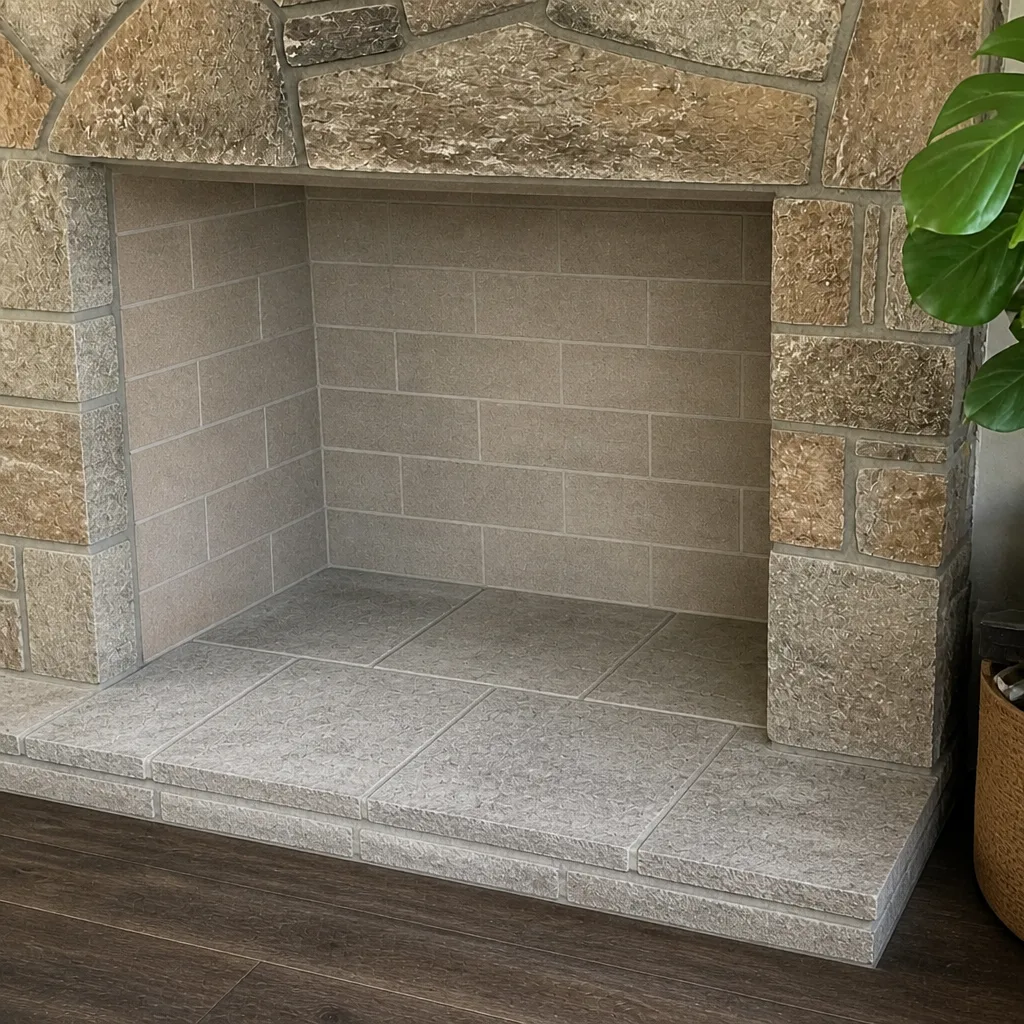
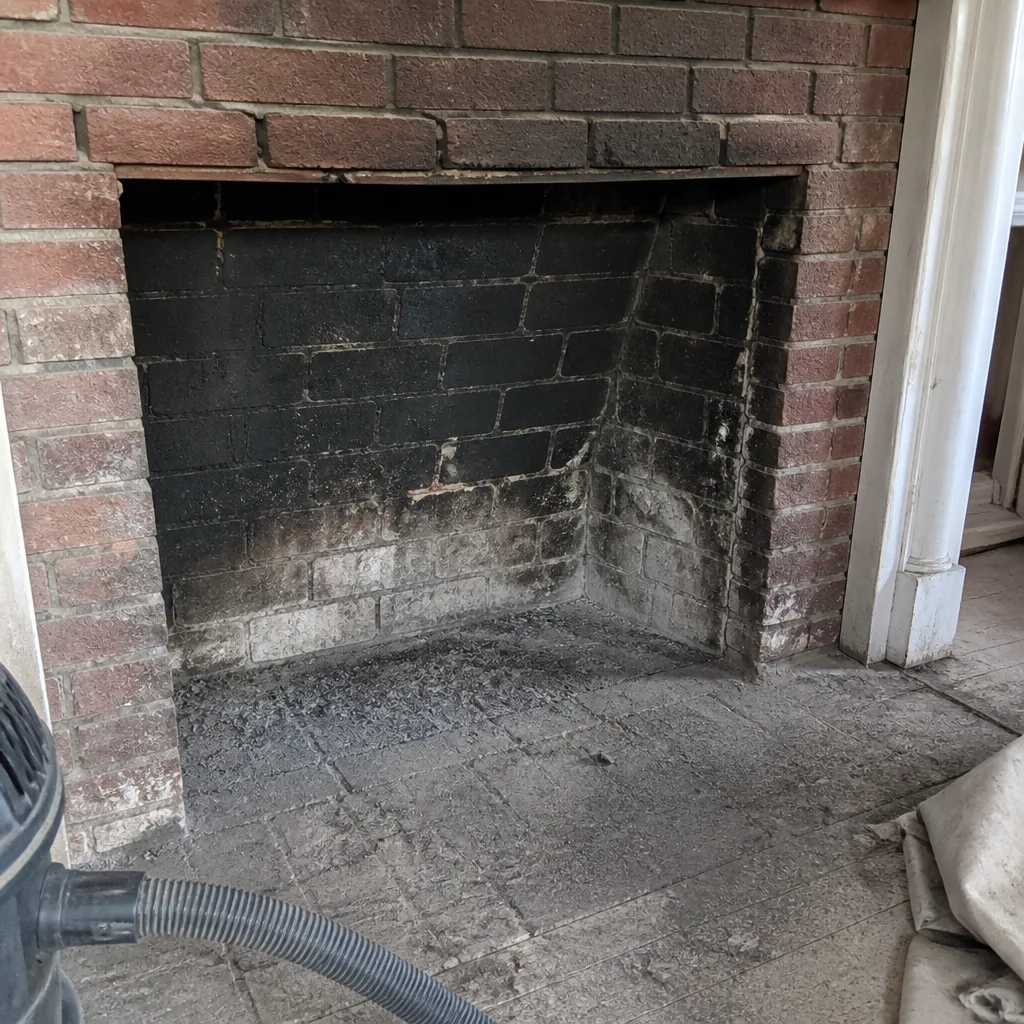
See the difference
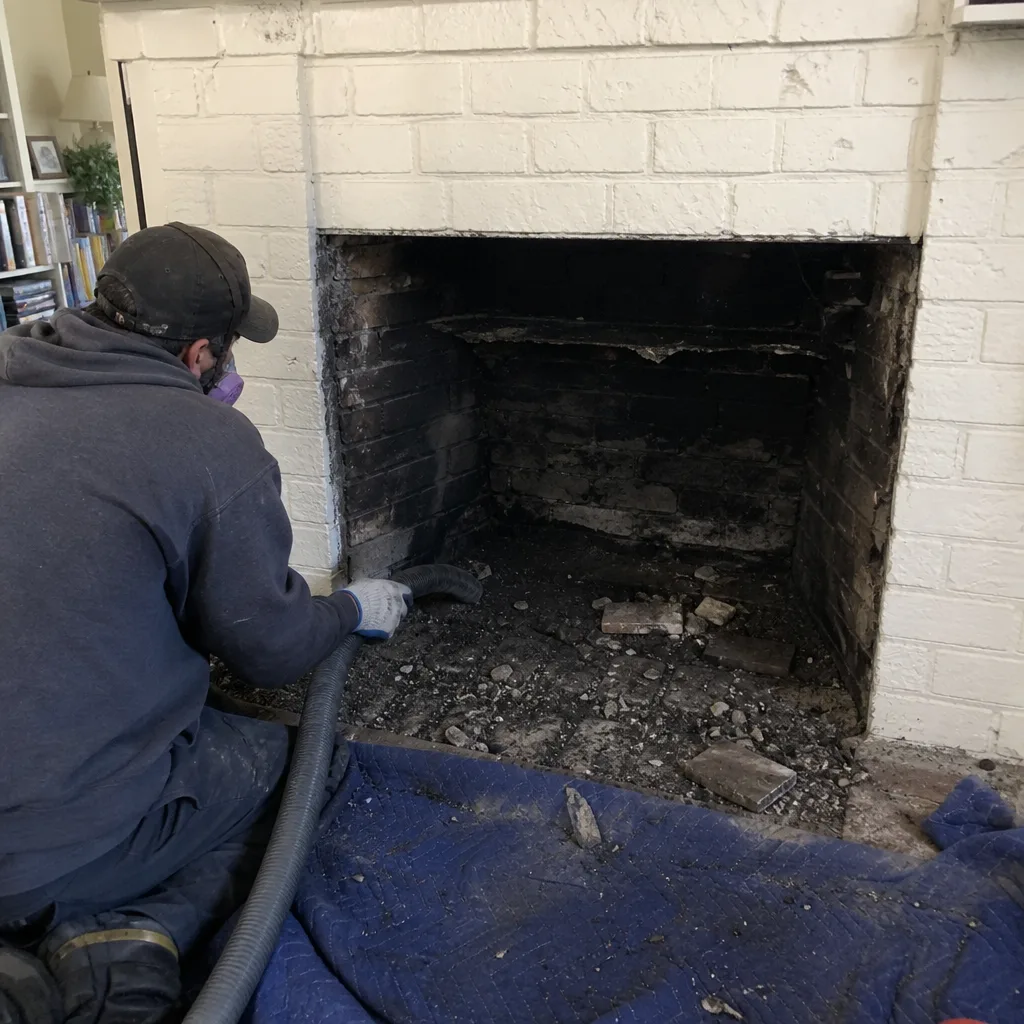 Before
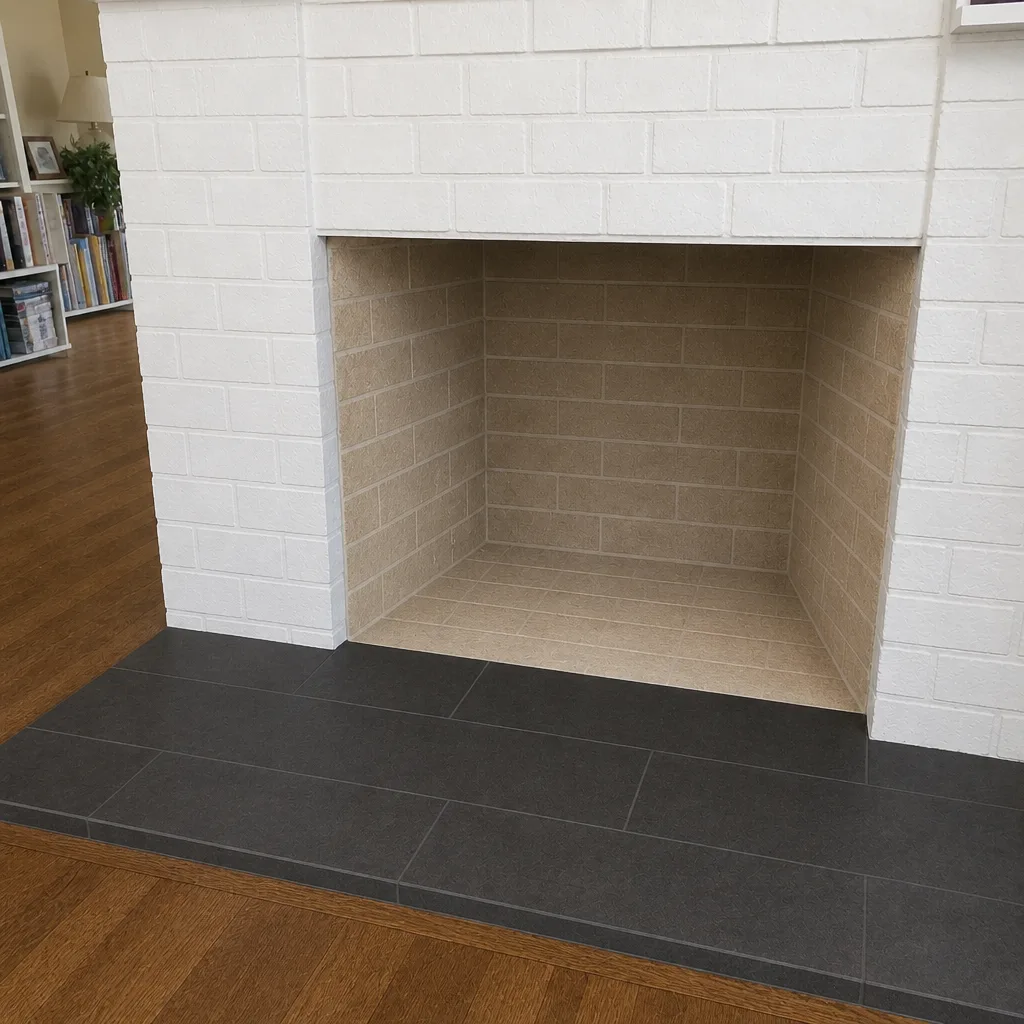 After
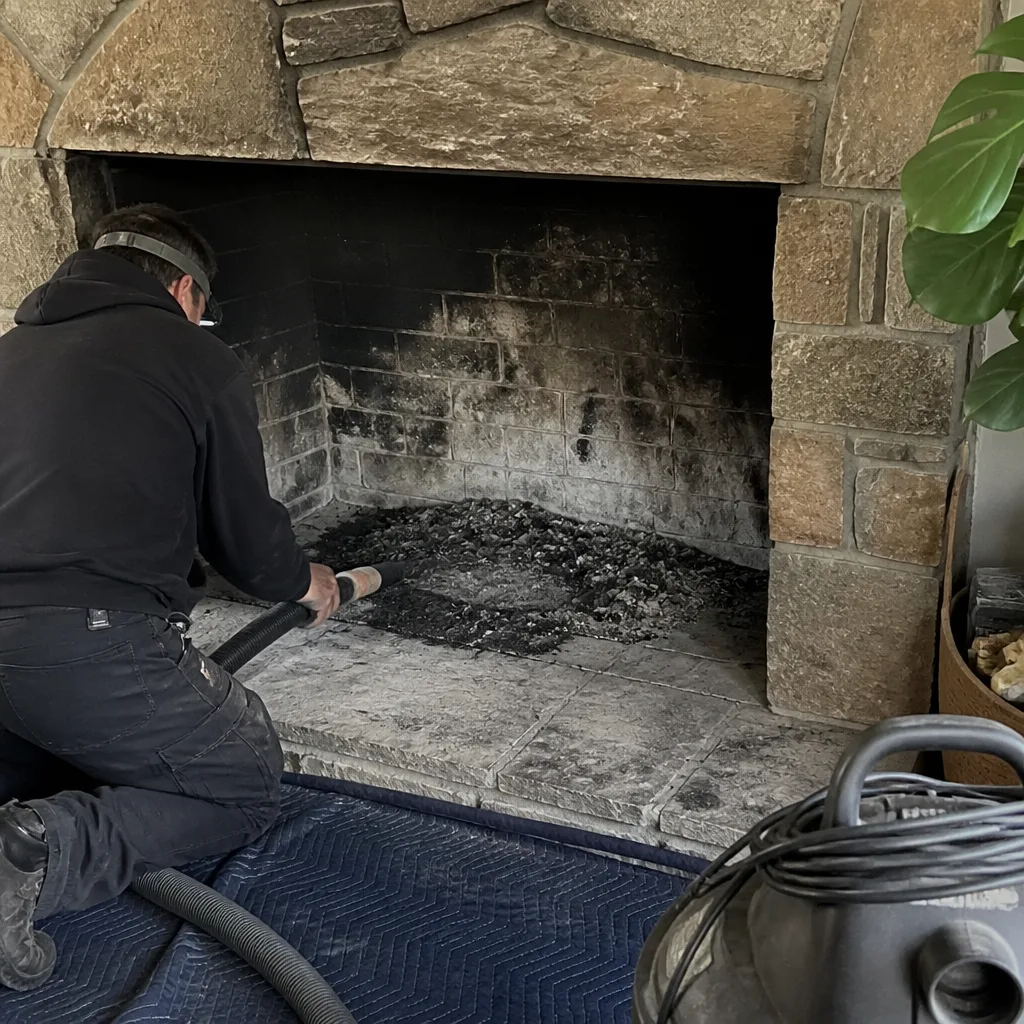 Before
 After
 Before
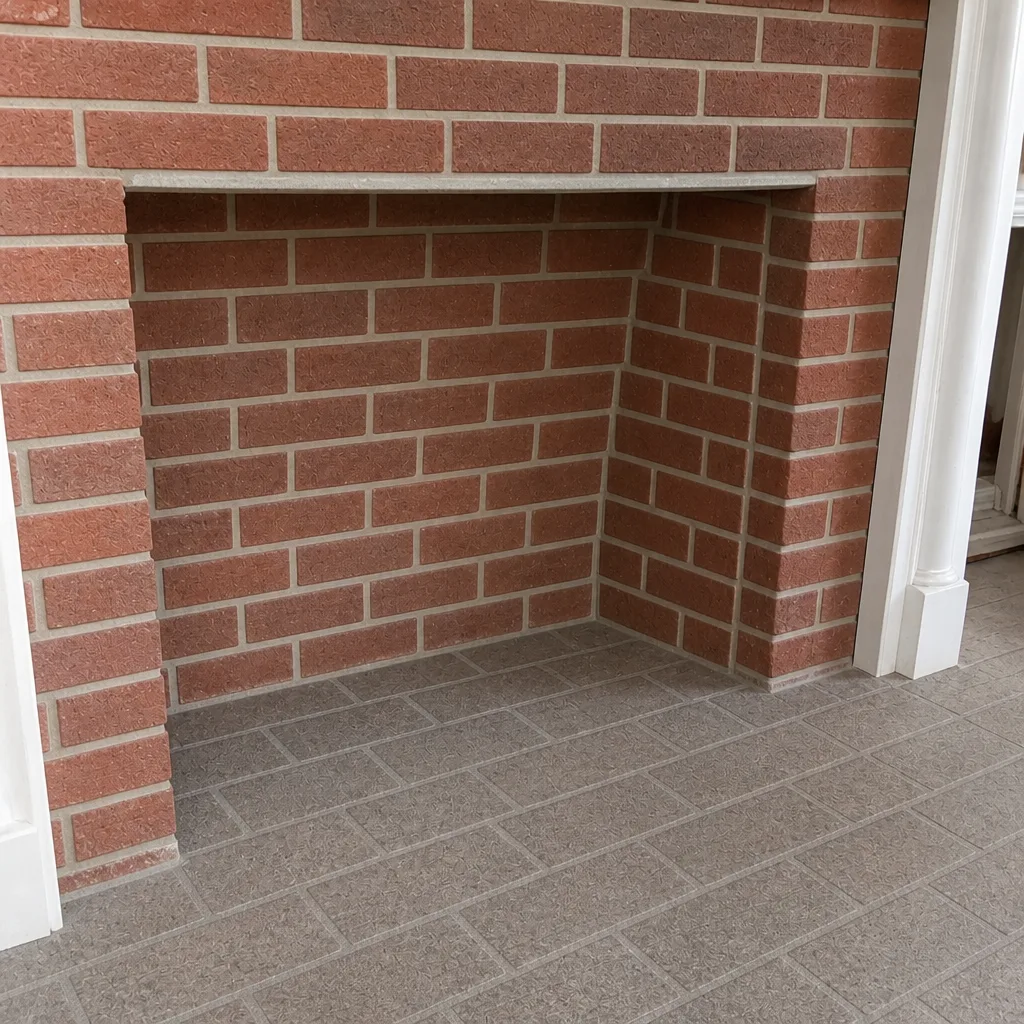 After