
Last updated November 24, 2026
 Sweep & inspection
 Caps & crowns
 Flue relining
 Masonry repair
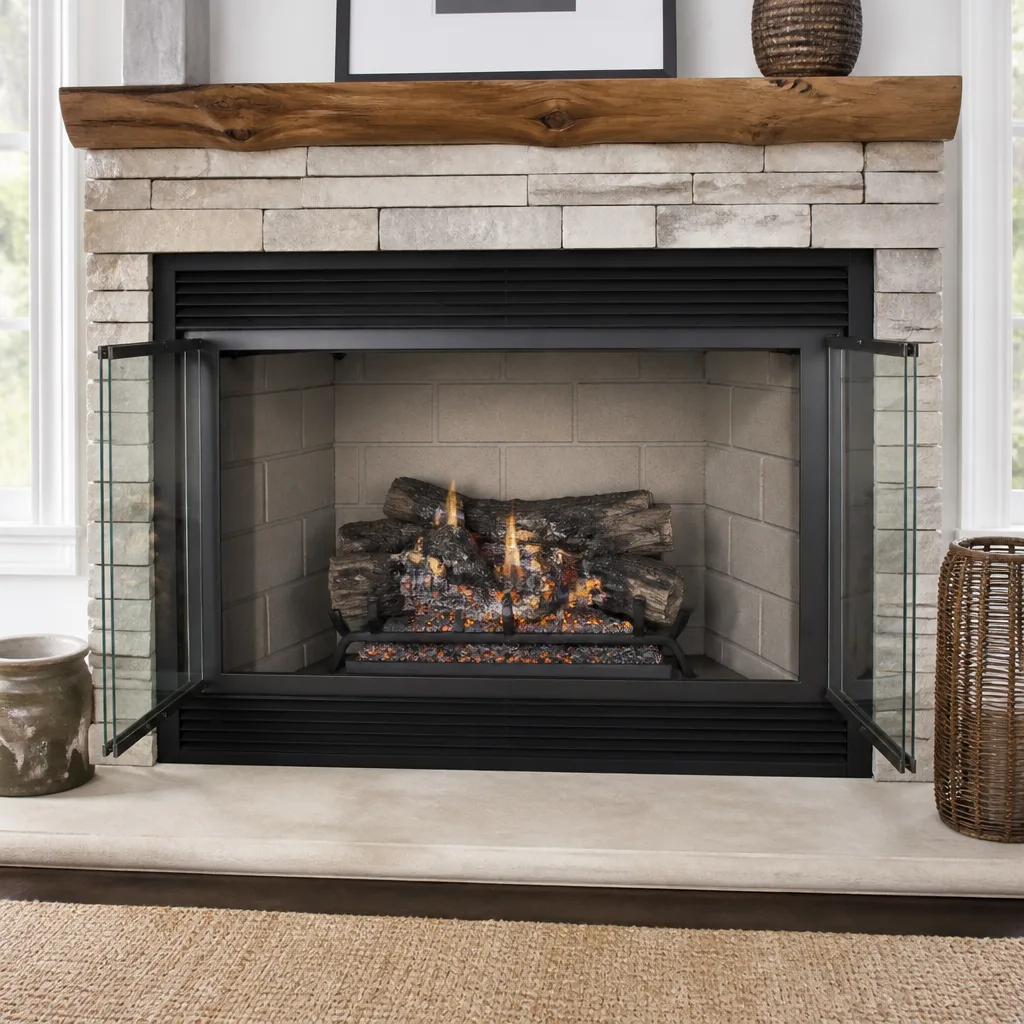 Gas fireplace service
Level 1 sweep and inspection to the NFPA 211 annual standard - flue, crown, cap, and flashing checked and photographed
Chimney sweep logs do not sweep chimneys. They loosen some creosote - which then falls where a brush and vacuum still have to collect it.
Chimney Sweep Maintenance Schedule: What to Do and When
Most homeowners treat “annual chimney sweep” as the whole maintenance plan. It isn’t. The annual inspection standard you’ve probably read about was built for average use, and average use is a fiction. If your fireplace sits in a house built before 1980, or you burn more than three cords a year, that annual baseline is already behind by the time the first cold snap arrives. The real schedule depends on what you burn, how much, and when your chimney was built. This guide maps a working calendar for Black Rock homes: what to check, when to check it, and which maintenance tasks fall between the professional visits.
Quick Answer
The core maintenance schedule is an annual inspection for every chimney, plus a sweep once you’ve burned about a cord of wood (or sooner in older flues), an annual visual check for gas fireplaces, and a mid-season cap and mortar check driven by freeze-thaw cycles. Wood-burning chimneys in Black Rock homes built before 1980 usually need a sweep every year or two depending on cord volume, while a gas fireplace in a newer house often needs only the annual visual. The schedule flexes with fuel, usage, and construction era – not a fixed calendar date.
Styles & brands we work with
- Sweep & inspection
- Caps & crowns
- Flue relining
- Masonry repair
- Gas fireplace service
Table of Contents
- Fuel-Specific Cleaning Intervals
- Pre-Season vs. Post-Season Inspection Logic
- Age-Triggered Checkpoints: 1950s, 1970s, 1990s
- Maintenance Tasks Between Sweeps
- Building a Service Log That Works
- The Black Rock Seasonal Calendar
- Common Mistakes to Avoid
- When to Call a Professional
Fuel-Specific Cleaning Intervals
Cleaning intervals are not universal. What comes out of your chimney depends entirely on what goes in, and a schedule built for a wood-burner will either over-service a gas fireplace or dangerously under-service an oil flue. Here’s how the intervals break down by fuel.
Wood-Burning Chimneys
Wood is the fuel with the widest interval range because cord volume varies so much. A light user burning under a cord a year can stretch a sweep to every two years in a well-maintained flue, provided the annual inspection shows clean walls. Once you cross three cords a year, plan on a sweep every twelve months at minimum, and consider a mid-season check. Creosote deposits build in layers, and the glazed, hardened third-degree stage is where chimney fire risk climbs sharply. A trained inspector reads the flue walls to gauge buildup, which is why the cord threshold matters more than the calendar month.
Gas Fireplaces
Gas burns far cleaner in terms of creosote, but that doesn’t mean nothing deposits. Gas units can leave a residue on the flue from incomplete combustion, and the appliances themselves need a visual check for venting integrity. For a gas fireplace, an annual visual inspection is the minimum, and any change in flame color or exhaust smell is a signal to call sooner. A gas-fired chimney doesn’t demand the cord-volume math of wood, but skipping the annual visual leaves venting problems undetected.
Oil-Fired Systems
Oil produces soot and byproduct buildup at a rate that has nothing to do with wood or gas intervals. An oil flue typically needs a sweep on roughly the same cadence as a heavy wood user, and the soot is denser and messier. Never apply a wood-burning schedule to an oil appliance. Ask for the fuel type to be recorded at every visit so the interval stays calibrated to what’s actually combusting.
Pre-Season vs. Post-Season Inspection Logic
The timing of your inspection matters as much as its frequency. A late-summer inspection catches problems before the first cold snap, when you still have weeks to schedule any repair without losing fireplace time. A post-season inspection captures the wear that only shows AFTER a heating season of use, which is valuable but leaves you with a shorter repair window.
Our preference, and the logic we walk Black Rock homeowners through, is pre-season inspection as the primary anchor:
- Late summer booking. Schedule the visit before the heating season, while the schedule is open and any needed parts can be sourced without urgency.
- Full inspection and sweep. The flue, cap, crown, firebox, and surrounding masonry are all checked in one visit.
- Document findings. Anything that needs repair gets flagged with photos and a recommended window, so nothing is a surprise in November.
- Repair before use. A cracked crown or failing cap gets addressed before the first fire, not after water has been working on it all winter.
A post-season inspection still has a place – it’s the right call if you noticed odd draft behavior, smoke rollback, or a smell during the burn season. But treat pre-season as the default and post-season as the diagnostic follow-up.
Age-Triggered Checkpoints: 1950s, 1970s, 1990s
Construction era changes what a chimney needs in ways a generic annual check misses. A chimney built in the 1950s was not built to the same flue standards as one from the 1990s, and the maintenance plan should reflect that.
1950s Chimneys
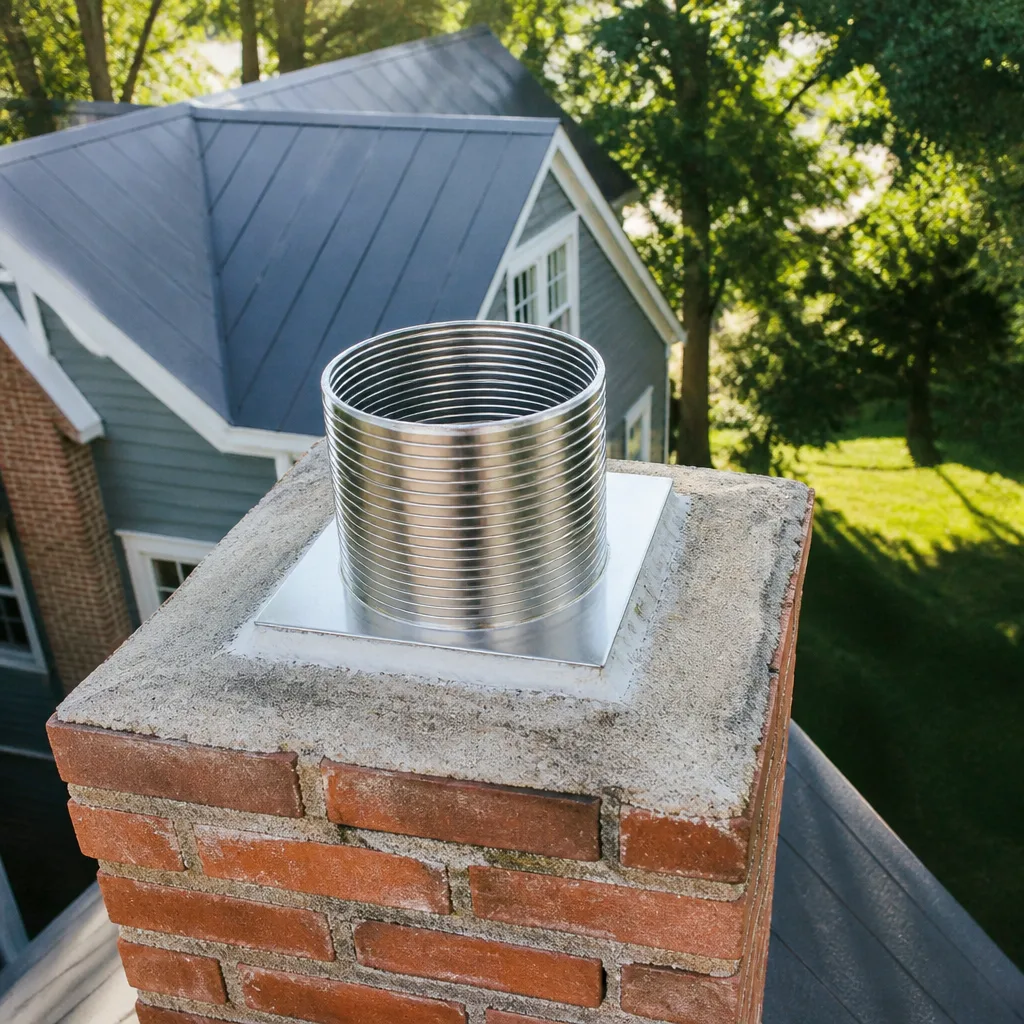
Chimneys from this era often have clay tile liners that have been through decades of thermal cycling. Mortar joints between tiles are the vulnerable point – they can erode and leave gaps that let creosote seep behind the liner or allow combustion gases to escape into the surrounding structure. These chimneys benefit from a more frequent inspection cadence and a close look at the tile joints, not just the flue interior. When joints are compromised but the tiles are still structurally sound, HeatShield resurfacing can restore the flue lining without a full tear-out, which is often the difference between a repair and a rebuild.
1970s Chimneys
The 1970s saw a lot of fireplace construction, and some of it used materials and methods that show wear patterns by now. Look for crown cracking and cap deterioration, both of which let water in and create a chain reaction of freeze-thaw damage. A chimney from this era typically needs an annual sweep plus a targeted cap and crown check after every hard winter. Catching a hairline crown crack early is far cheaper than addressing a water-damaged flue later.
1990s Chimneys
Newer chimneys tend to hold up better to standard use, so the schedule can often relax to the annual inspection with a sweep on the cord-volume trigger. But “newer” doesn’t mean “maintenance-free.” Factory-built units have their own venting requirements and component wear points. A 1990s chimney still needs the annual visual and a check that the cap and top plate are intact.
Maintenance Tasks Between Sweeps
The professional visits are the anchor points. The work between them is what keeps small issues from becoming structural repairs. These are the checks a homeowner can do safely, with the caveat that anything involving the flue interior, the liner, or the roof should be left to a trained professional.
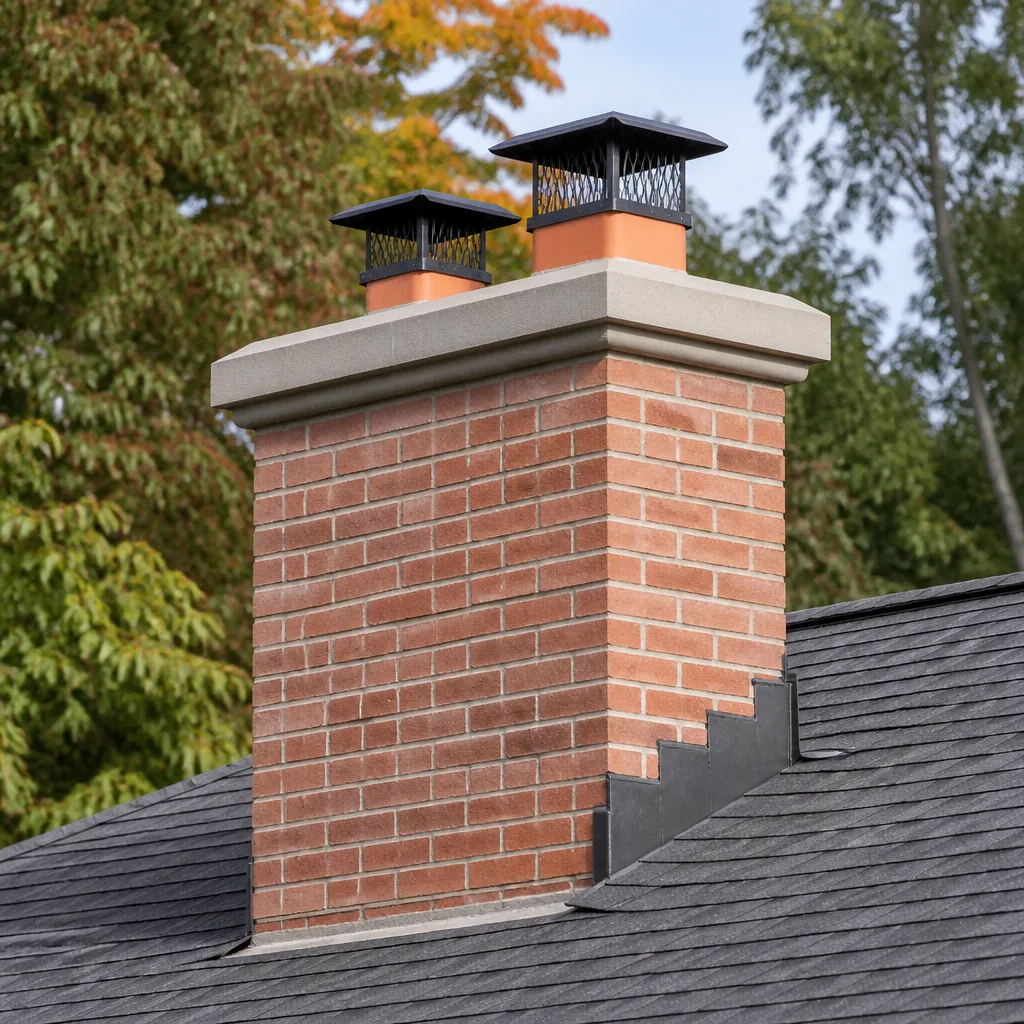
- Cap check after storms. A wind storm can loosen or dislodge a chimney cap. Look at the cap from the ground – if it’s tilted, missing, or the mesh is torn, that’s a call. A missing cap lets rain, animals, and debris straight into the flue. Our chimney cap & crown work exists specifically because caps and crowns are the most common entry points for water damage.
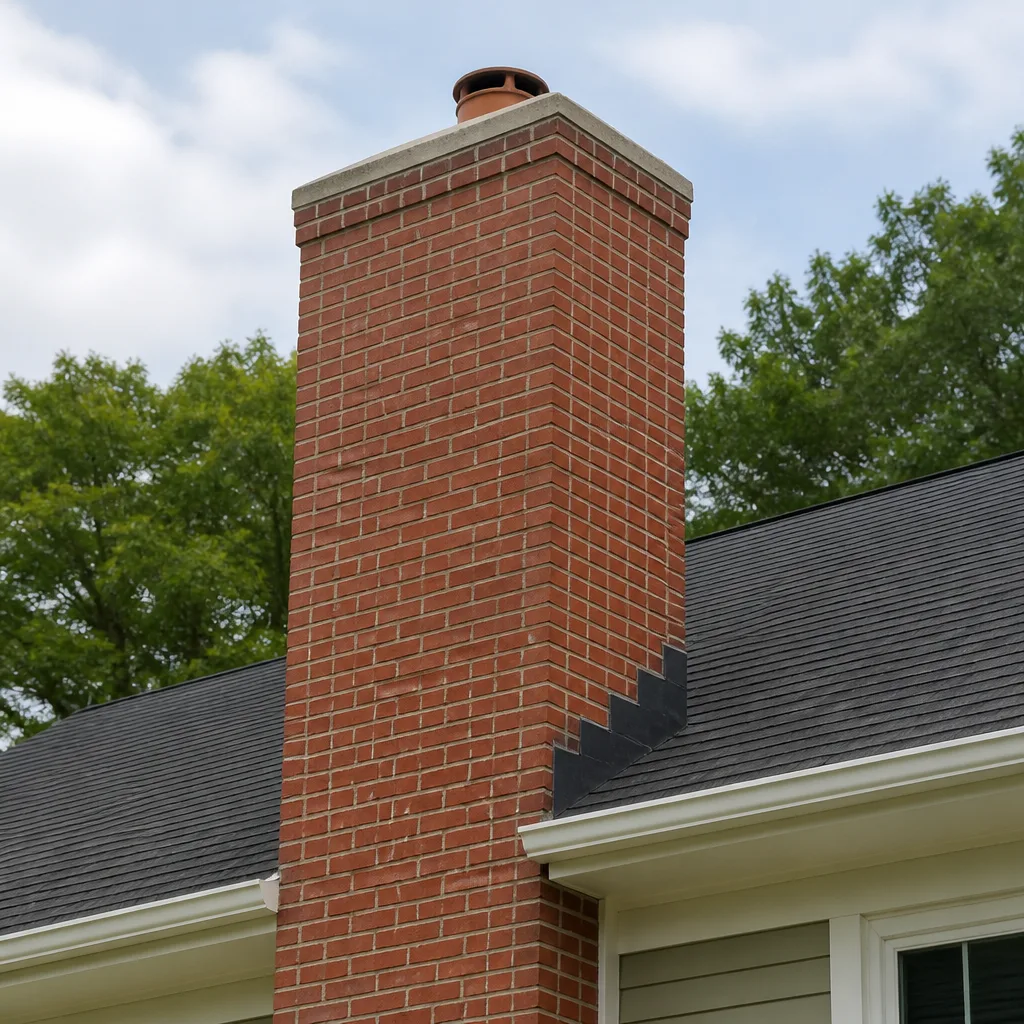
- Mortar joint check after freeze-thaw cycles. Black Rock winters cycle above and below freezing repeatedly, and water trapped in mortar expands when it freezes. Inspect exterior mortar joints in spring for crumbling or whitish efflorescence, which signals moisture working through the masonry.
- Crown crack watch. The crown is the concrete cap at the top of the masonry that sheds water away from the flue. A crack the width of a hair is worth watching; a crack wide enough to trap water is worth a call.
- Interior signs check. Look for staining on the firebox surround, rust on the damper, or a smoky smell in the room when the fireplace isn’t in use. These are water or downdraft signals.
None of these replace the annual inspection. They’re early-warning checks that make the professional visit faster and often cheaper.
Building a Service Log That Works
A simple log makes every future inspection faster because it gives the next specialist your chimney’s whole story instead of a guess. A chimney’s history is a diagnostic tool, and a specialist reading “swept annually, no liner work, cap replaced, no cracking noted” starts from a far better place than a chimney with no record.
What to record at each visit:
- Date and fuel type. Wood, gas, or oil, and how much you burned (cord estimate for wood).
- What was done. Sweep, inspection, cap work, liner resurfacing, mortar repair. Note the brand of any liner or cap material used, since HeatShield, DuraFlex, Gelco, and Olympia Chimney products all have different service lives.
- What was found. Any creosote stage noted, any cracking on tiles or crown, any cap or bird-guard condition.
- What was recommended but deferred. The most useful line in the whole log – a specialist can tell whether a “watch” item progressed.
- Photos if available. A camera inspection photo from two years ago is worth ten minutes of description.
Build the log in a plain notebook or a note on your phone. The format matters less than the continuity. A homeowner in Black Rock who can hand a specialist a five-year log gets a faster, more accurate assessment than one starting cold.
The Black Rock Seasonal Calendar
Here’s how the schedule maps onto the actual year for a Black Rock wood-burning home. The season here runs hot and humid in summer and cold enough in winter for repeated freeze-thaw, and that shape drives the timing.
- Late summer: Pre-season inspection and sweep. Book before the first cold snap. This is the anchor visit of the year.
- Early fall: Any recommended repairs finished before use. Cap and crown checked once more.
- Mid-winter: No sweep needed, but watch for draft changes or smoke rollback, and do the interior stain check after heavy use.
- Early spring: After the last fire, an exterior mortar joint and cap check as the freeze-thaw season ends. This is when hairline cracks from winter appear.
- Summer: If repairs are needed, this is the low-stress window to schedule them, since the fireplace isn’t in use and the schedule is open.
The under-appreciated point: a Black Rock chimney’s real stress test is water, not fire. Freeze-thaw cycles work on mortar and crowns year-round, and the annual schedule should give water intrusion the same attention as creosote.
Common Mistakes to Avoid
- Assuming annual means annual for everyone. A gas fireplace and a three-cord wood stove don’t share a schedule. Applying one interval to both over-services one and endangers the other.
- Skipping the inspection but keeping the sweep. A sweep cleans the flue; an inspection finds the cracked crown, the compromised tile joint, the failing cap. The inspection is the diagnostic; the sweep is the cleaning. You need both.
- Ignoring the exterior after winter. Most Black Rock chimney damage starts as water intrusion on the crown or mortar, and it shows up in spring, not fall. A fall-only mindset misses the freeze-thaw damage window.
- Going with the cheapest bid and no documented method. A sweep who doesn’t record what was found or what brand of material was used leaves your log empty and the next specialist guessing. Ask what gets documented.
- Treating a liner problem as a full-reliner emergency. A compromised flue can often be resurfaced with HeatShield rather than fully relined, depending on the joint condition. Get a specialist to look before accepting a full-replacement quote.
- Waiting for a smell or smoke before calling. The early signals – staining, rust, a cracked cap – show up before the dramatic symptoms. Catching those is the whole point of the schedule.
When to Call a Professional
Some maintenance you can do from the ground. Some needs a trained set of eyes and hands, and the line is clearer than most people think. Call a professional for anything involving the flue interior, the liner, the crown, the masonry, or the firebox – and for any of these specific scenarios: a smoky smell in the room when the fireplace is off, visible staining or rust at the firebox or damper, a cap that’s loose or missing after a storm, mortar that’s crumbling on the exterior, a crown with a crack wide enough to catch a fingernail, or a change in draft behavior during the season. Those are all early-warning signals that deserve a look rather than a guess.
Chimney Sweep Black Rock offers free estimates in Black Rock – call (877) 792-7321. We answer 24/7. Fast dispatch from 7am to 7pm, Sunday through Friday.
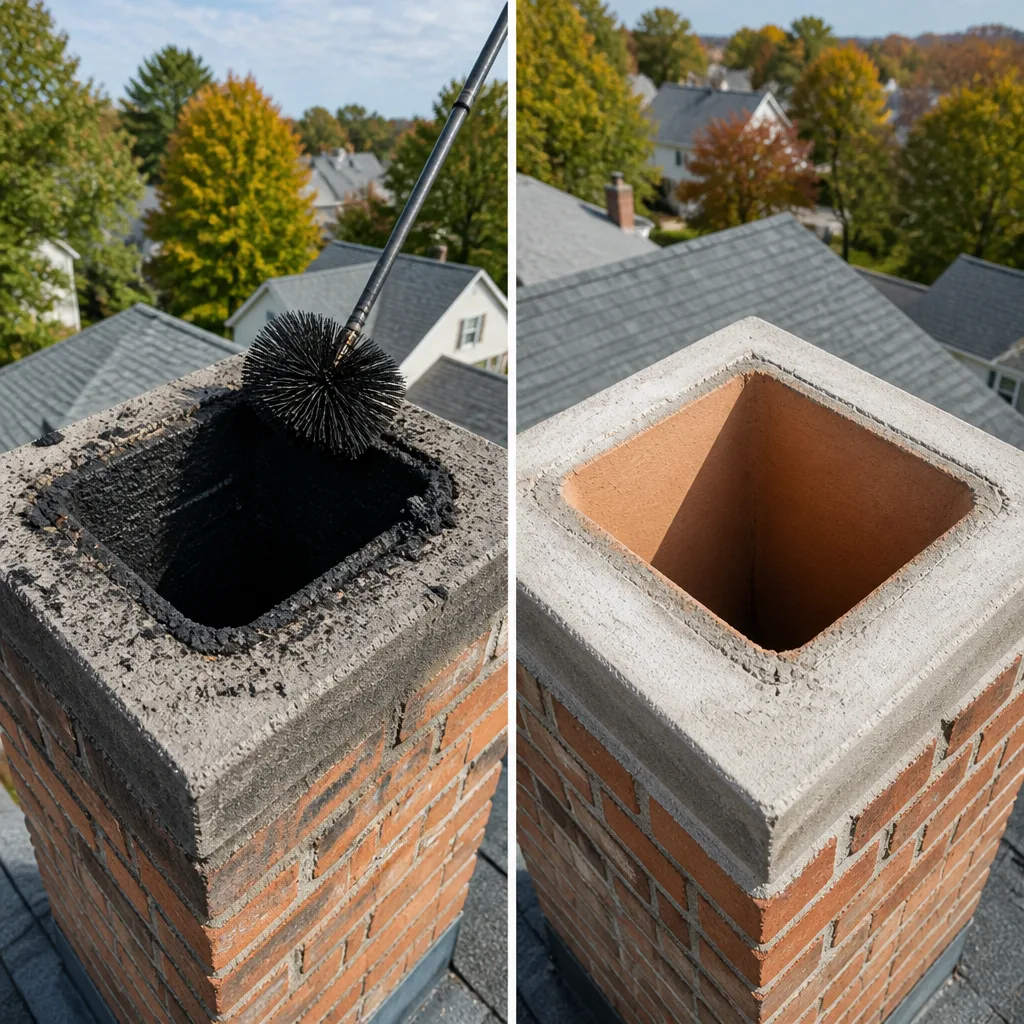
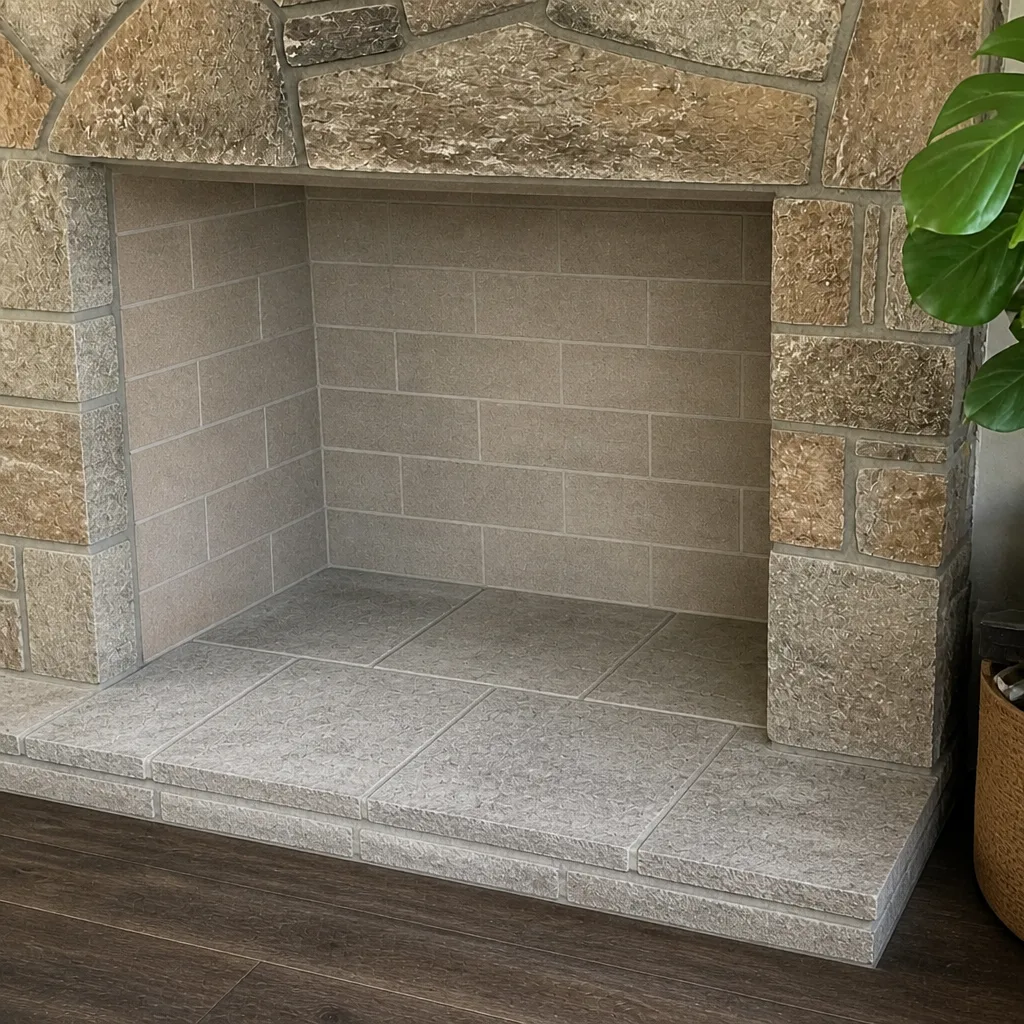
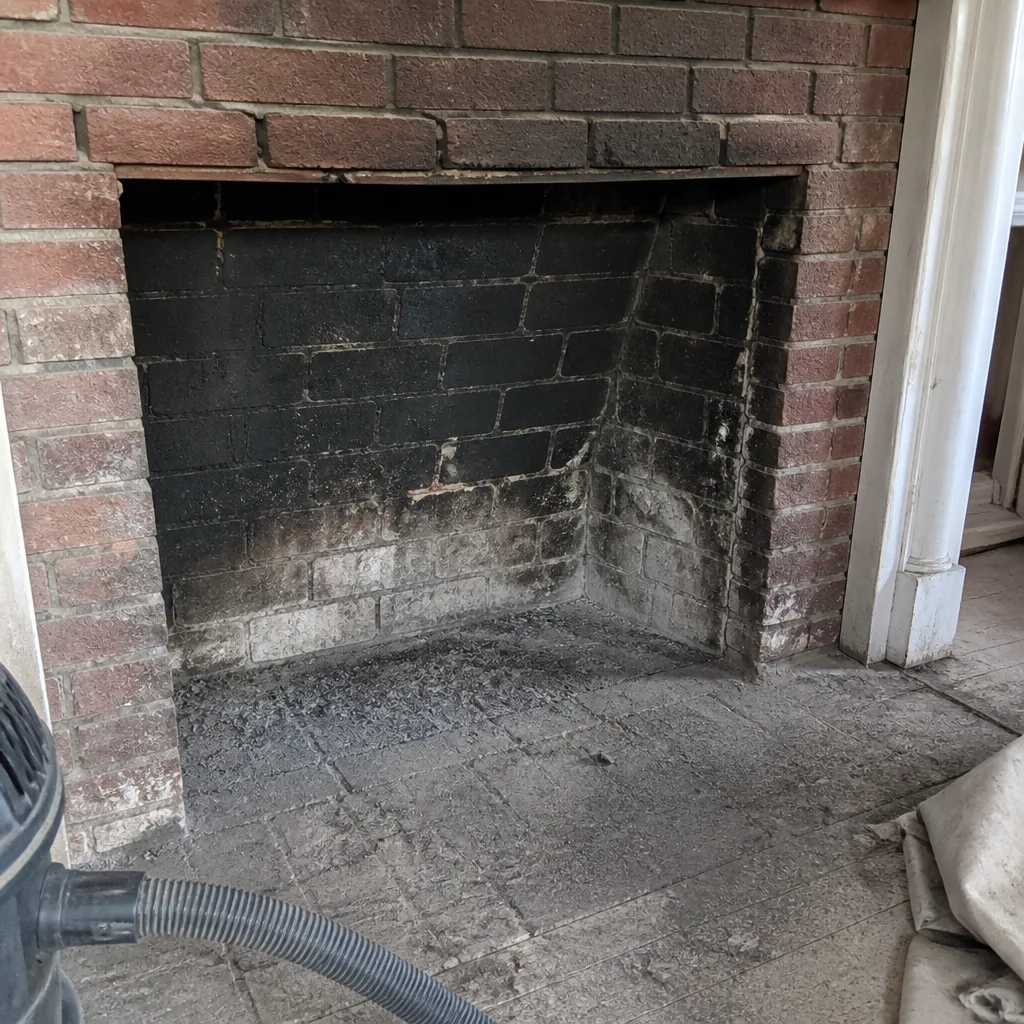
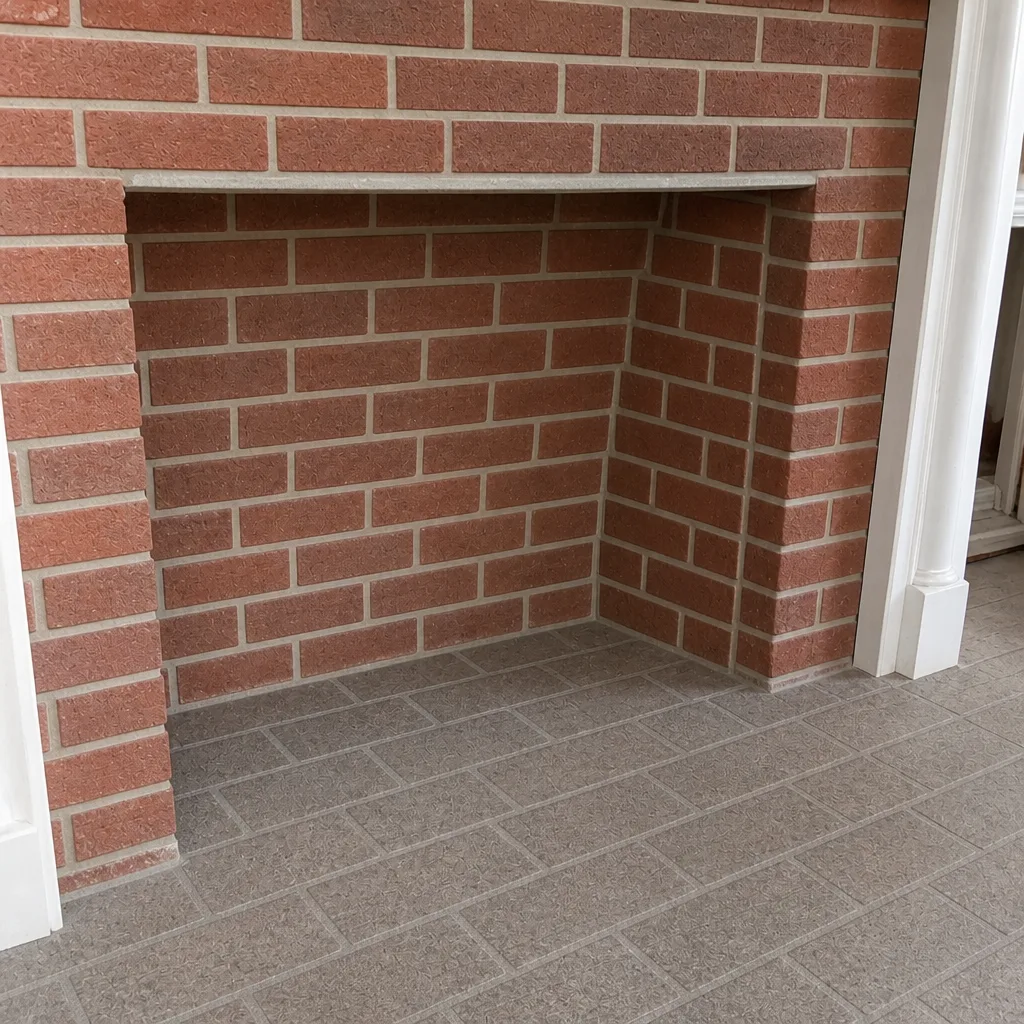
See the difference
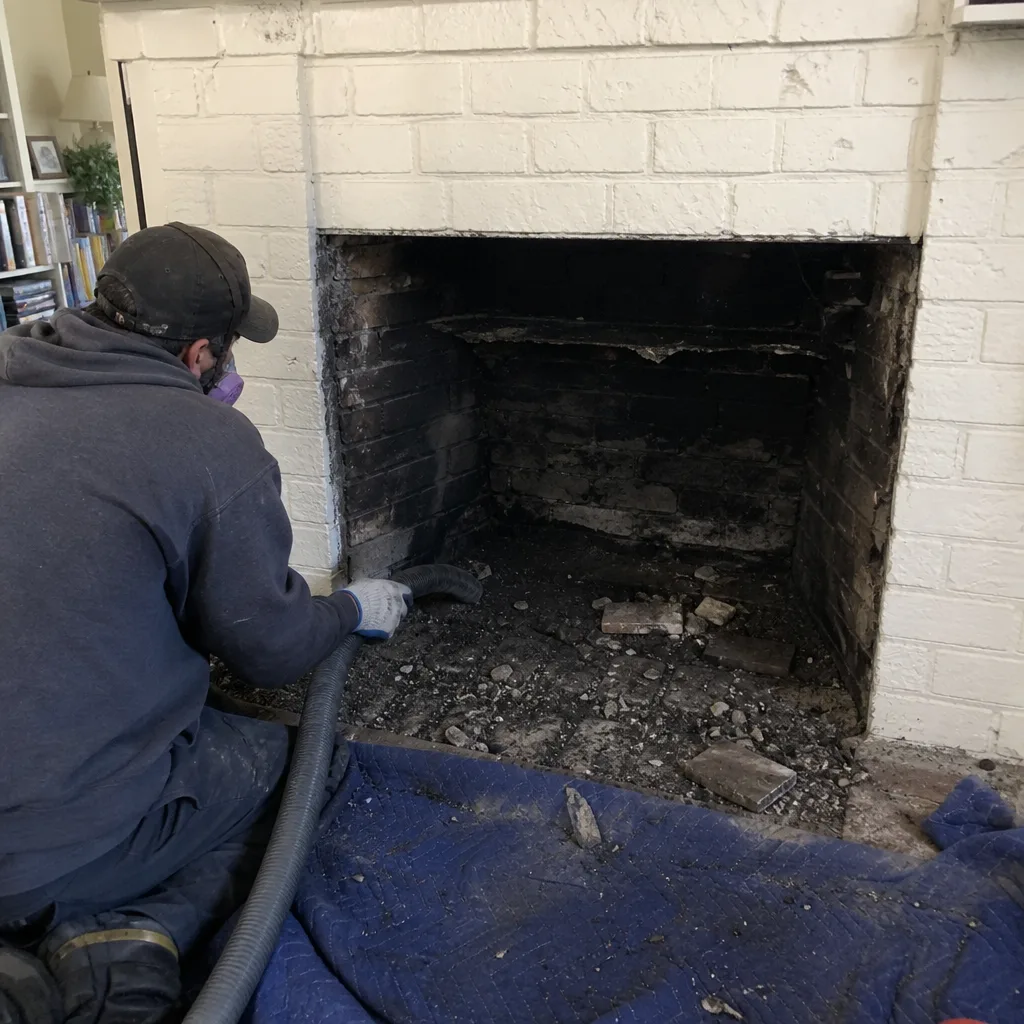 Before
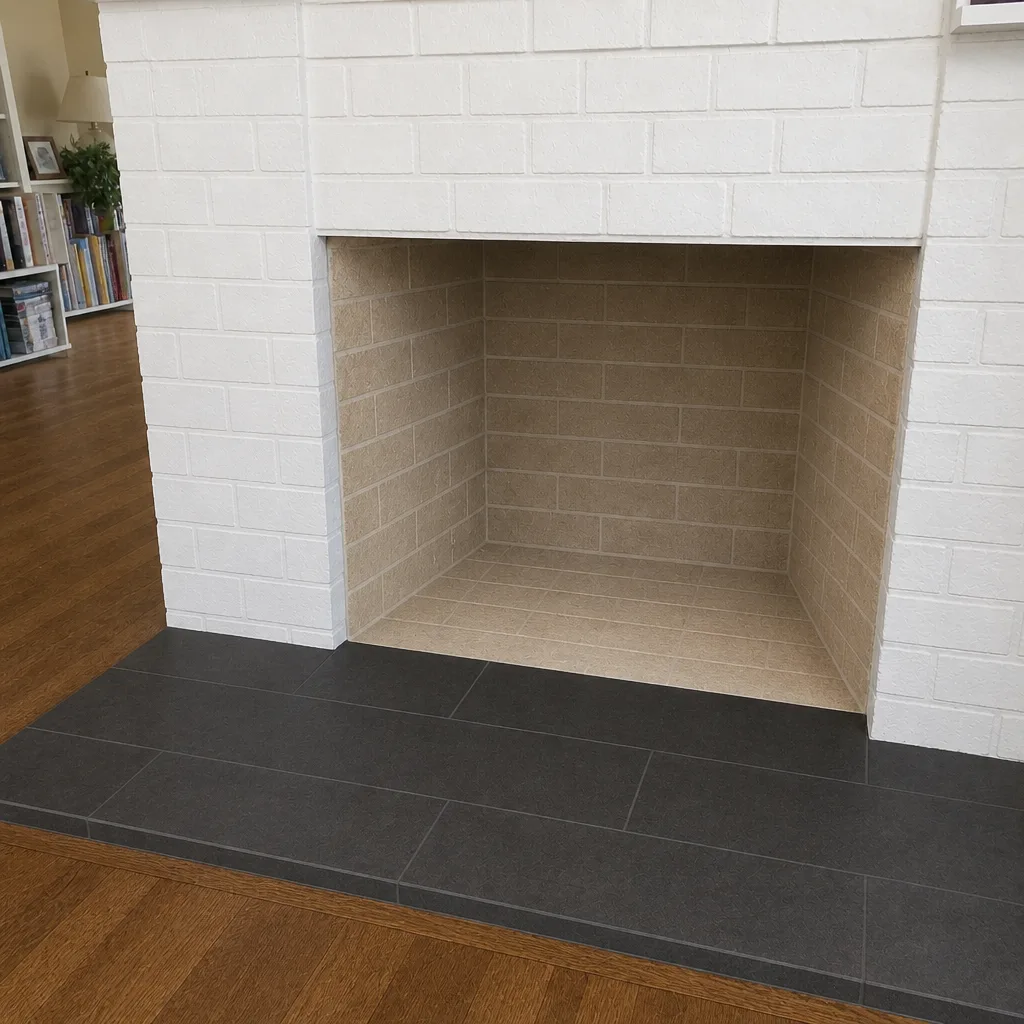 After
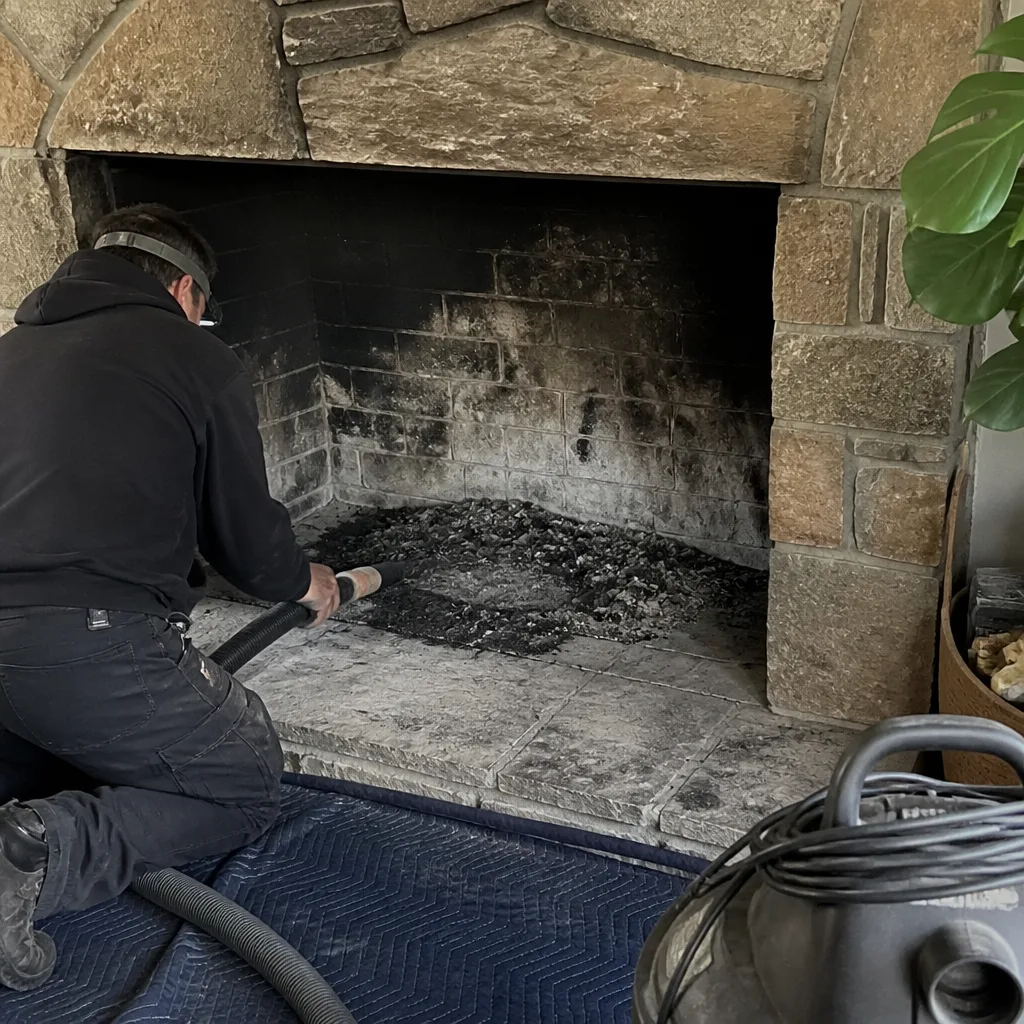 Before
 After
 Before
 After
Frequently Asked Questions
Most Black Rock wood-burning chimneys should be swept every year or two, with the interval set by cord volume rather than the calendar. If you burn under a cord a year and the annual inspection shows clean walls, two years is reasonable; past three cords a year, plan on annual sweeps. Gas fireplaces need an annual visual inspection, and oil appliances run on a denser soot cadence altogether. The annual inspection is the non-negotiable anchor for every fuel type. Call (877) 792-7321 for an exact schedule based on your fireplace – estimates are free.
Yes, a sweep alone doesn’t tell you what’s happening inside the flue beyond the cleaning. The sweep cleans the flue; the inspection reads the liner joints, the crown, the cap, and the firebox, and documents what it finds. Many Black Rock homeowners only need the sweep once the inspection confirms the flue is sound, but the inspection is what confirms it. Skipping it is how a hairline crown crack becomes a water-damaged flue over one winter. Call (877) 792-7321 to book both in one visit – estimates are free.
The main risk is that small problems you can’t see silently worsen. A compromised tile joint or a failing cap lets water in, and freeze-thaw cycles in Black Rock’s winters turn that into masonry damage; a creosote buildup past the safe stage raises chimney fire risk. None of that announces itself in the room until it’s well along. The inspection is the early-warning system. Call (877) 792-7321 to schedule one – estimates are free.
Ground-level checks: look at the cap after every hard storm, check exterior mortar joints in spring for crumbling or efflorescence, watch the crown for widening cracks, and look for staining or rust at the firebox. Leave the flue interior, liner, and roof work to a trained professional. These between-visit checks make the next inspection faster and often catch problems before they need a bigger repair. Call (877) 792-7321 if any of those checks turn up something – estimates are free.
Often, yes. When the tile joints are compromised but the flue structure is still sound, HeatShield resurfacing can restore the lining without the cost and disruption of full liner replacement. A full reline makes more sense when the flue itself is failing. The only way to know which you’re looking at is a proper inspection with camera evidence, and we won’t recommend a full reline without it. Call (877) 792-7321 to get a straight read – estimates are free.
No – the materials we install are professional-tier brands specified by chimney engineers, not what’s on the hardware store shelf. We work with DuraFlex, HeatShield, Gelco, and Olympia Chimney, and the cap and crown materials are matched to the chimney’s construction and exposure. That matters in Black Rock because the freeze-thaw cycling punishes low-grade mortar and thin caps. Call (877) 792-7321 to talk through options – estimates are free.
The Bottom Line
The annual sweep is the floor of a maintenance plan, not the ceiling. A real schedule for a Black Rock home is set by three variables: what you burn (wood, gas, oil), how much (cord volume), and when the chimney was built (1950s tile joints, 1970s crowns, 1990s factory-built). Anchor the year with a late-summer inspection, do ground-level checks between visits, keep a simple log, and treat spring as the freeze-thaw damage check. Our technicians have up to 8 years of experience, and we cover the whole system – flue, liner, crown, cap, firebox, masonry – so one company handles the inspection and the repair. That consistency is what makes a schedule hold.
Contact
If you need a chimney inspection, a sweep, or a straight answer on a repair, we can help. A Chimney Sweep Black Rock visit starts with a clear assessment of your chimney’s condition, and the local pro is licensed and insured as the state requires. If you’re due for a cleaning, book a chimney sweep. If a repair is on the table, we handle chimney repair from the crown down to the firebox.
Call (877) 792-7321 for a free estimate. We answer 24/7. Fast dispatch from 7am to 7pm, Sunday through Friday. A call outside dispatch hours is booked into the next opening, Sunday through Friday, 7am to 7pm. We’re closed on Saturday.
Written by the team at Chimney Sweep Black Rock.