
Last updated November 24, 2026
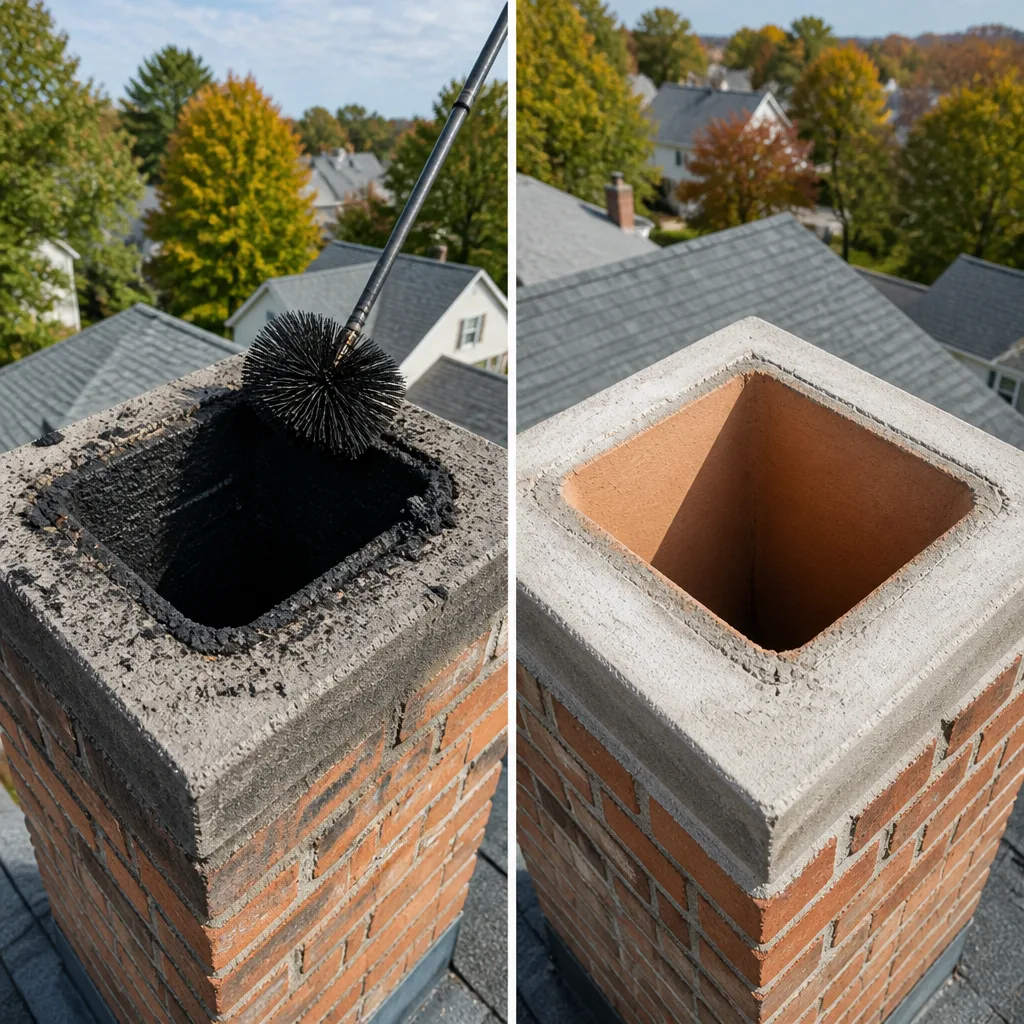 Sweep & inspection
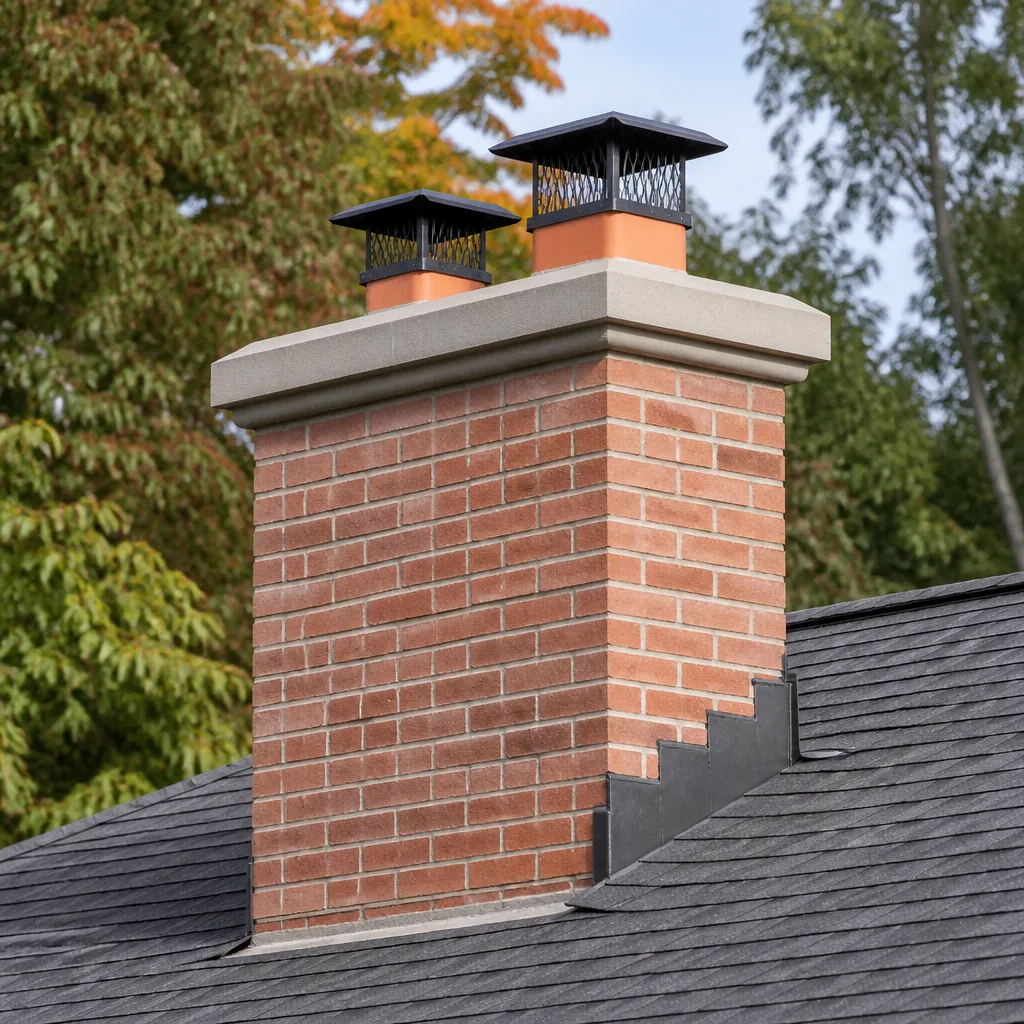 Caps & crowns
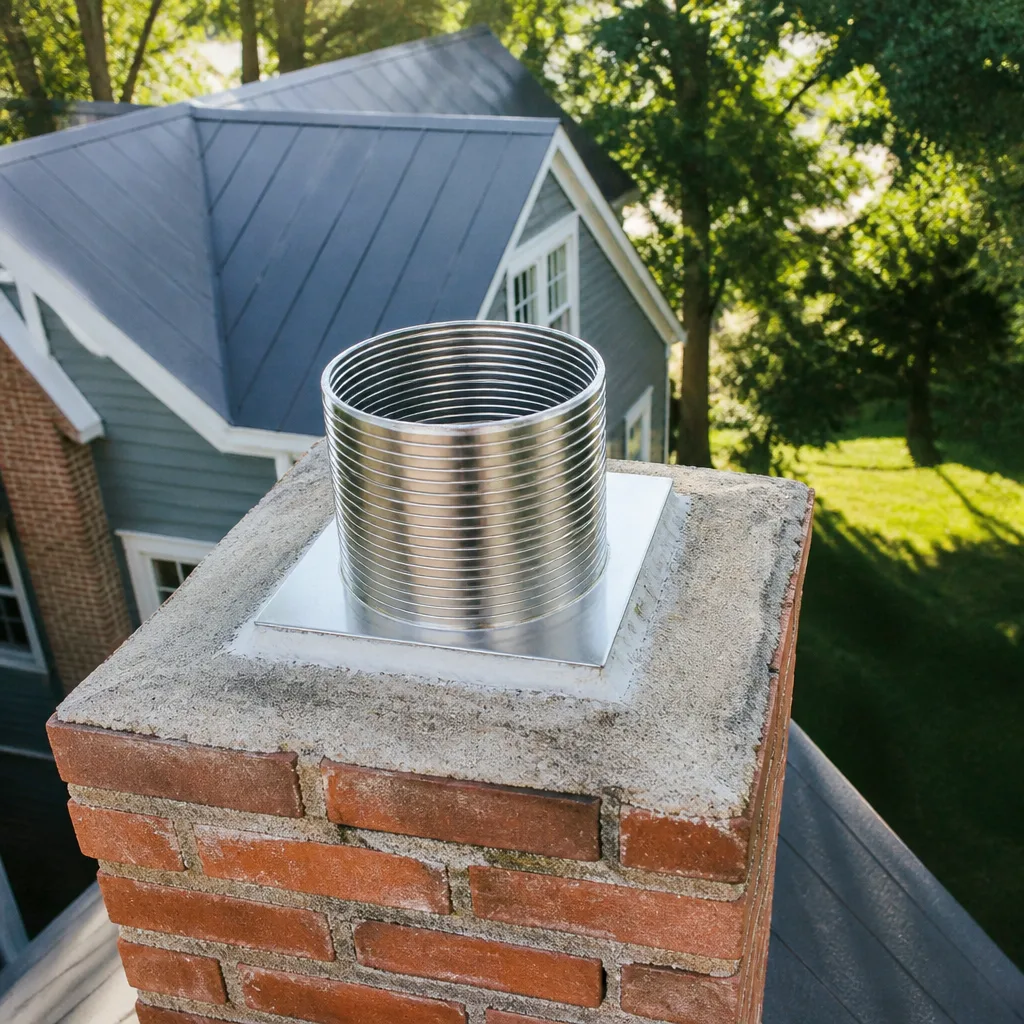 Flue relining
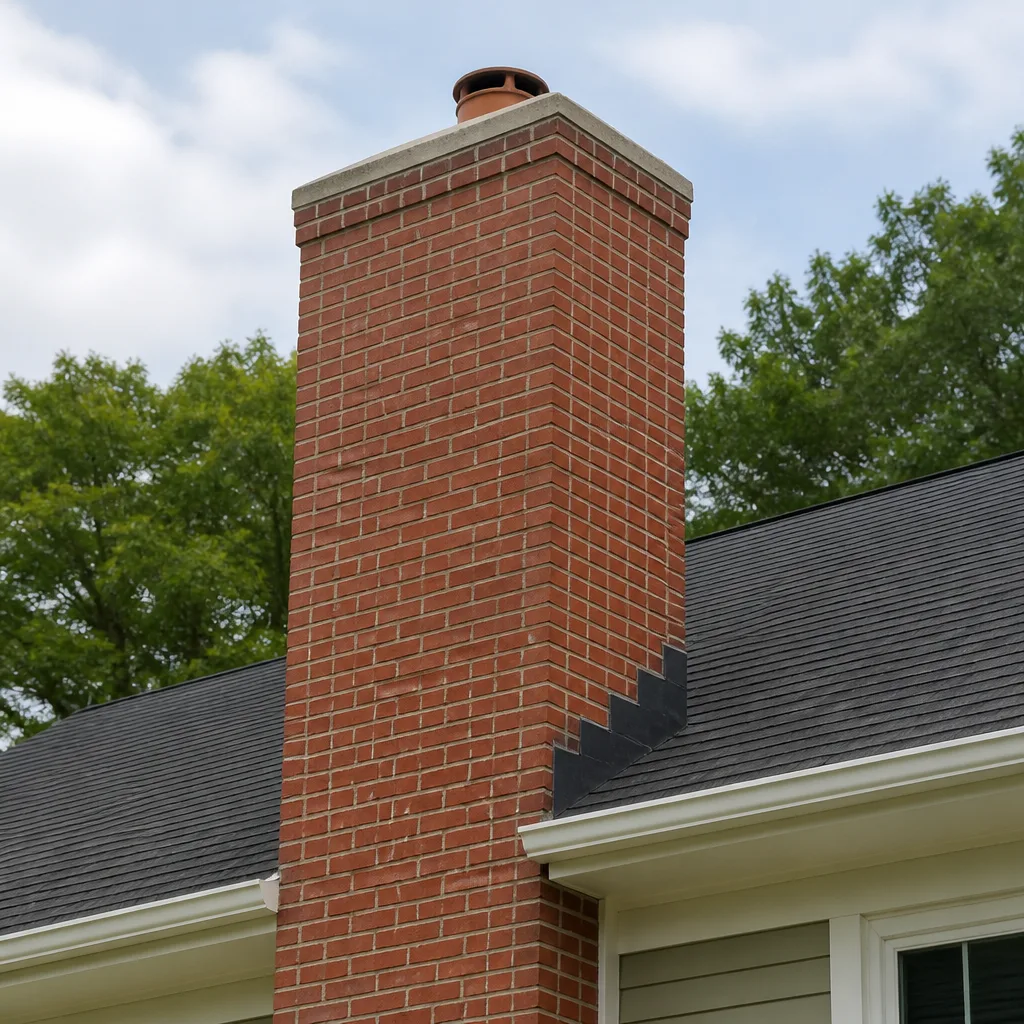 Masonry repair
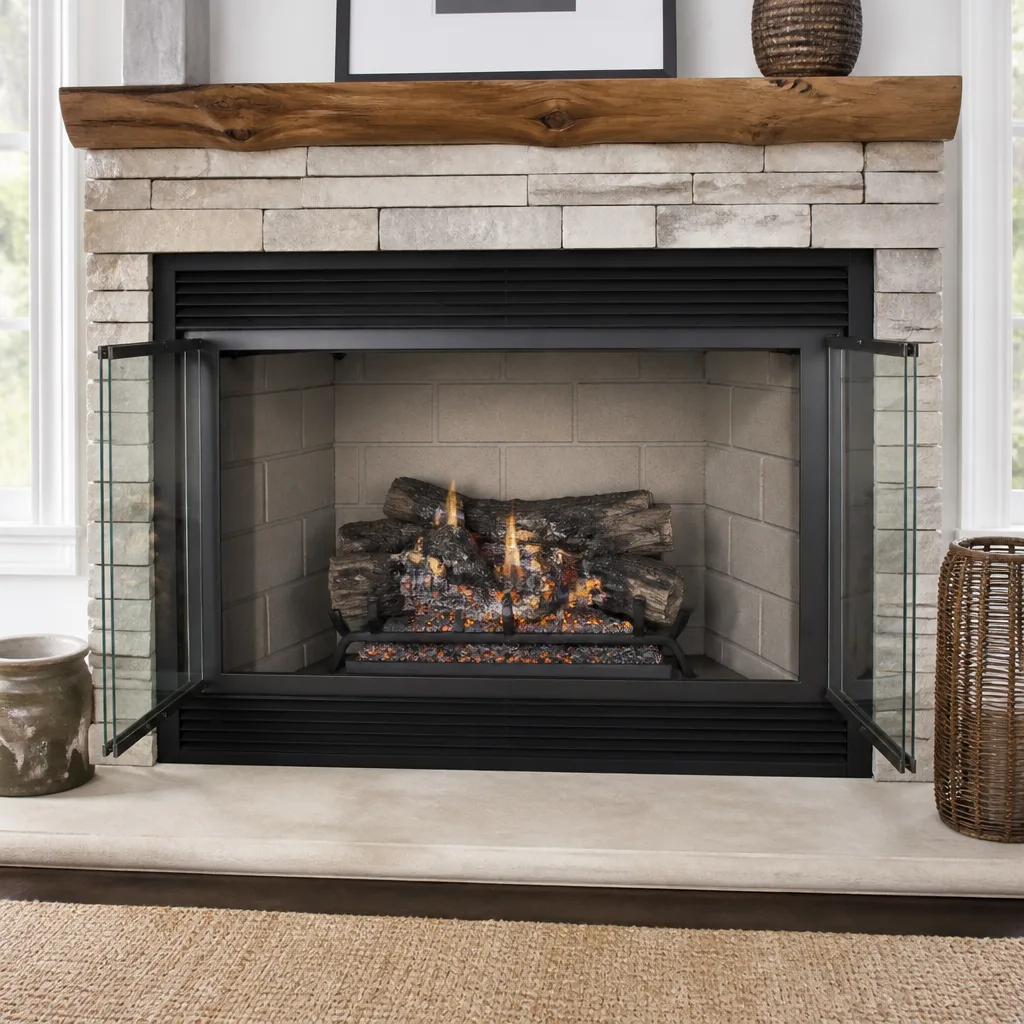 Gas fireplace service
Level 1 sweep and inspection to the NFPA 211 annual standard - flue, crown, cap, and flashing checked and photographed
Chimney sweep logs do not sweep chimneys. They loosen some creosote - which then falls where a brush and vacuum still have to collect it.
Chimney Cleaning Permits, Codes & Inspections in Black Rock, NY: What You Need to Know
Most chimney work in New York doesn’t require a permit. That’s the part people get wrong in the other direction. The misconception we run into most in Black Rock isn’t that homeowners assume every sweep needs paperwork – it’s that they assume no chimney work ever does. Routine cleaning genuinely sits outside the permitting system. But the moment a job crosses from maintenance into repair, relining, or appliance replacement, the regulatory picture changes, and a relining job done without the required permit in Erie County can be classified as an unpermitted alteration you’re legally required to disclose when you sell the house. This guide walks through where that line sits, how the New York State Fire Code and the International Residential Code interact for chimney systems, what an NFPA 211 inspection actually involves, and how permit documentation affects your homeowner’s insurance if there’s ever a chimney fire claim.
Quick Answer
Routine chimney sweeping and cleaning in Black Rock, NY does not require a building permit – it’s classified as maintenance. Structural work does: relining, chase modification, crown replacement beyond surface patching, firebox rebuilding, and appliance or flue connector replacement generally trigger a permit through the City of Buffalo’s permit office, since Black Rock falls within Buffalo city limits. Any chimney inspection you rely on for a real estate transaction, an insurance claim, or a repair decision should follow NFPA 211 and be documented in writing with photos.
Styles & brands we work with
- Sweep & inspection
- Caps & crowns
- Flue relining
- Masonry repair
- Gas fireplace service
Table of Contents
- Where the Permit Line Sits in Black Rock
- How the NYS Fire Code and IRC Chapter 10 Interact
- What an NFPA 211 Inspection Actually Requires
- Sweep Visit vs. Inspection: What’s the Difference?
- How Permit Documentation Affects Insurance Coverage
- Permitting Previously Unpermitted Chimney Work
- Common Mistakes to Avoid
- Frequently Asked Questions
Where the Permit Line Sits in Black Rock
The threshold is simpler than most people expect: cleaning on one side, construction on the other. A sweep brushes creosote from a flue that already exists and is already code-compliant. A permit applies when you change the system itself – its materials, its dimensions, its structural components, or the appliance connected to it.
Black Rock sits inside Buffalo city limits, which means the City of Buffalo’s permit office governs, not a separate village or town authority. That matters for how you file and who inspects. In practice, the work that typically requires a permit includes:
- Relining a flue – installing a new stainless liner, cast-in-place liner, or resurfacing system where none existed or where the existing liner is failed.
- Changing flue size or configuration – including reconnecting an appliance to a different flue or altering an offset.
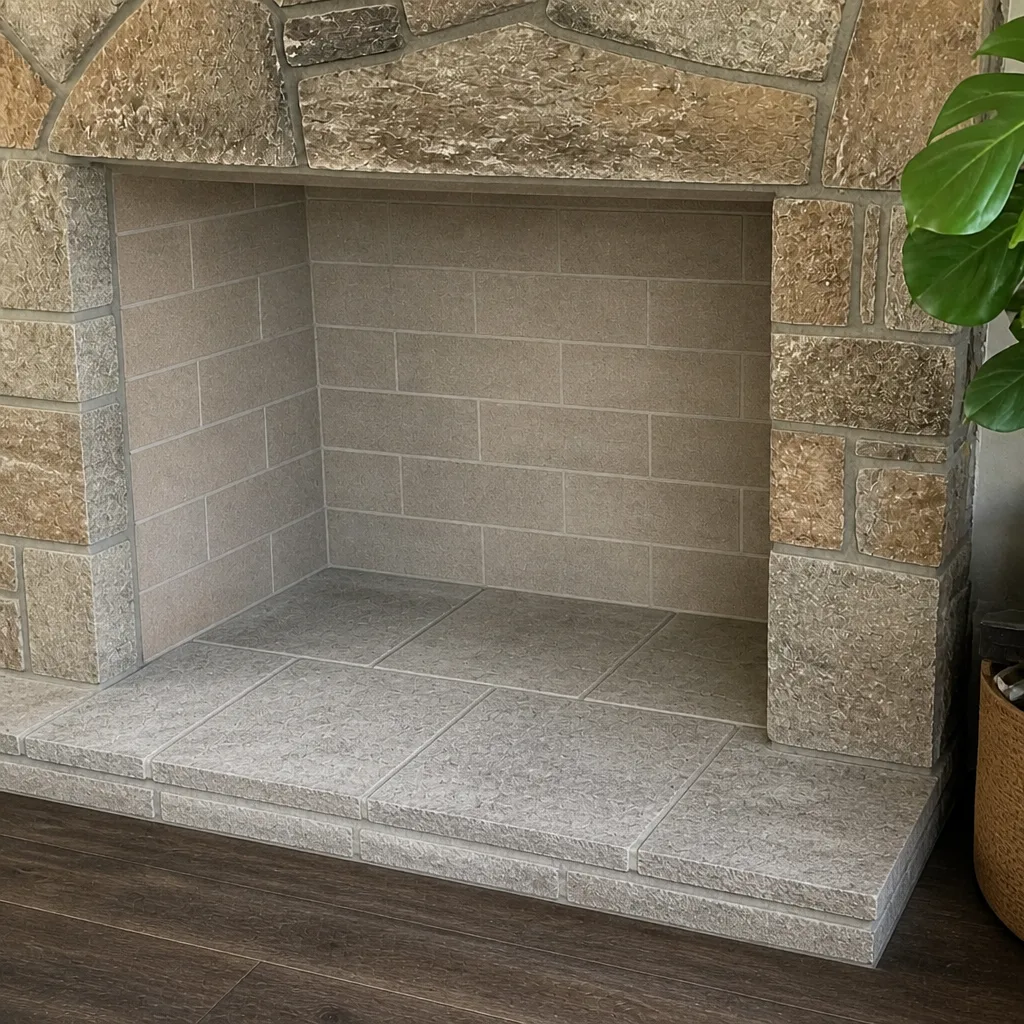
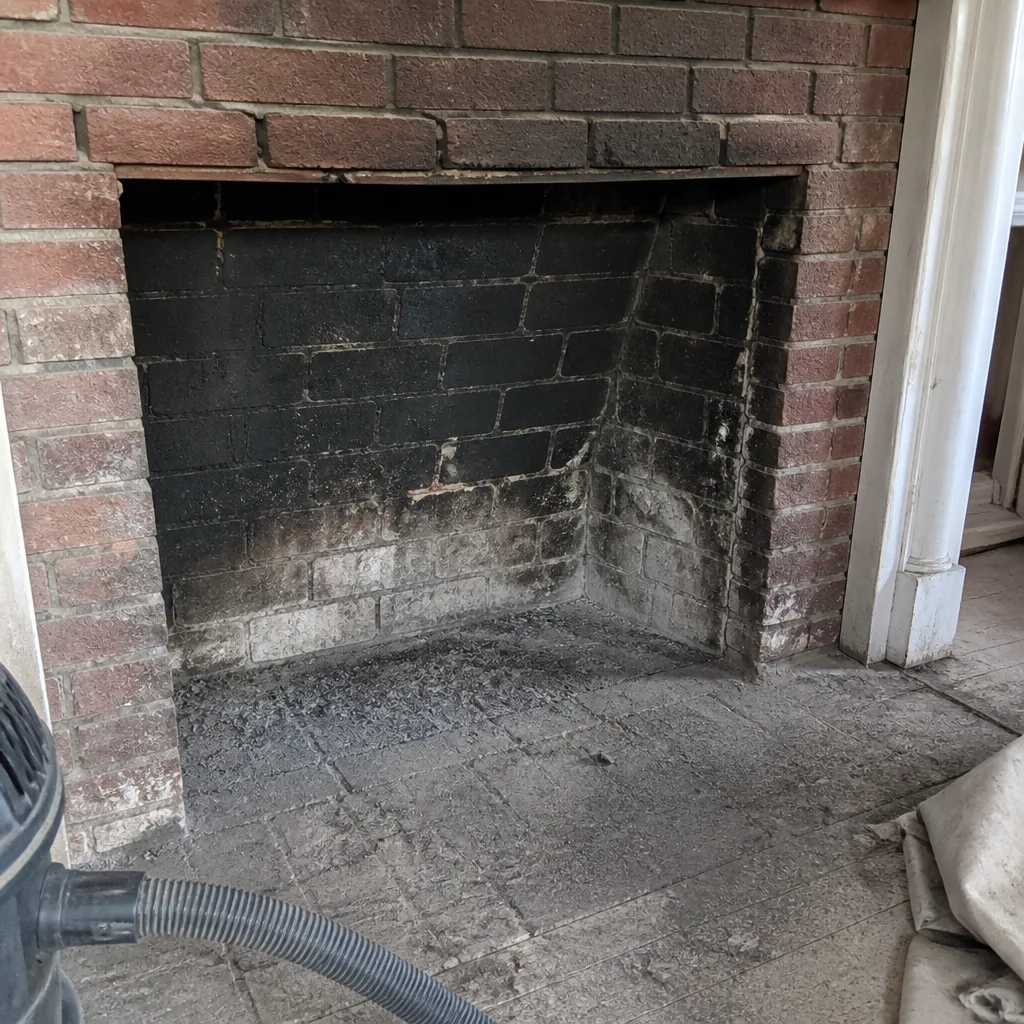
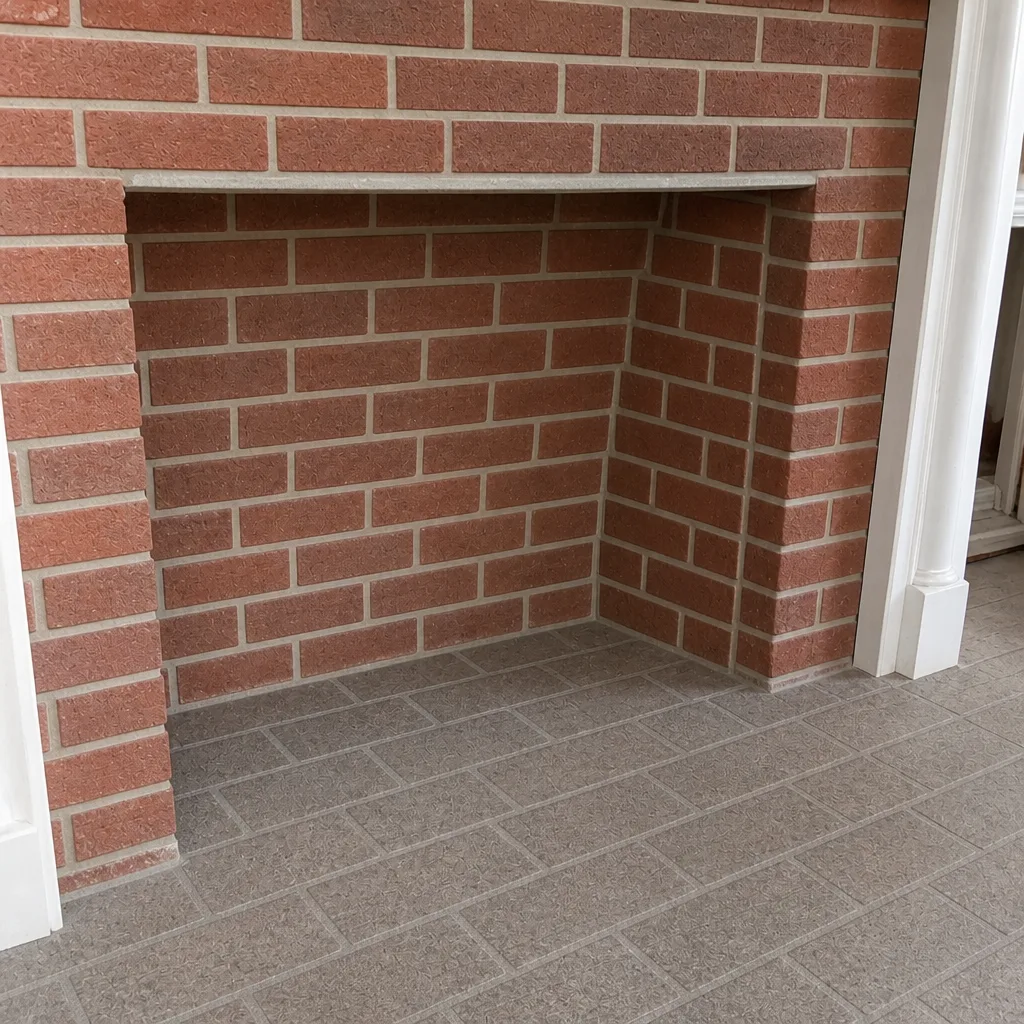
- Rebuilding a firebox – replacing firebrick, refractory panels, or the mortar joints that hold them.
- Replacing a crown where the work goes beyond crack sealing into structural reconstruction.
- Installing or replacing a solid-fuel appliance – a wood stove, insert, or new fireplace unit, along with its flue connector.
- Adding or extending a chimney – height changes, chase construction, or new penetrations through the roof.
What typically does not require a permit: sweeping, a Level 1 inspection, cap replacement (a cap is an accessory, not a structural component), and minor mortar repointing on the exterior. If you’re ever unsure whether your job crosses the line, ask the permit office directly before work starts. Our chimney repair work gets scoped with that question in mind from the first visit.
How the NYS Fire Code and IRC Chapter 10 Interact
Two code families govern chimney systems in Black Rock, and homeowners often assume they conflict. They don’t – they operate at different levels. The New York State Uniform Fire Prevention and Building Code adopts the International Residential Code, and IRC Chapter 10 is the section that specifically covers chimneys and fireplaces: clearances to combustibles, flue sizing, liner requirements, hearth extension dimensions, and chimney height above the roofline. The Fire Code sits on top of that as the enforcement and life-safety layer – it’s what a fire inspector or code enforcement officer cites when something is unsafe in an occupied building.
In a municipality like Black Rock, the practical precedence works like this:
- IRC Chapter 10 sets the technical standard. It tells you what a compliant chimney looks like – clearance to combustibles, flue liner integrity, termination height, cap requirements.
- The NYS Fire Code sets the enforcement standard. It gives the local authority the basis to require correction when a condition is dangerous, regardless of when the work was done or whether it was ever permitted.
- The City of Buffalo issues the permit and inspects the work. The permit is the paper trail connecting the two – it confirms the work was done to the IRC standard and satisfies the Fire Code’s concern for safe operation.
One practical consequence: because the Fire Code can require correction of unsafe conditions independent of permit history, a pre-sale inspection that finds a failed liner or inadequate clearance can trigger a repair obligation even if the chimney has been that way for years. That’s not a reason to avoid the inspection. It’s the reason to get ahead of it. Buffalo’s older housing stock, including much of what stands in Black Rock, means plenty of chimneys were built or modified before current clearance standards were adopted, and the inspection is how you find out where yours actually stands.
What an NFPA 211 Inspection Actually Requires
NFPA 211 is the national standard for chimneys, fireplaces, vents, and solid fuel-burning appliances, and it defines three inspection levels. An NFPA 211-compliant inspection isn’t a vibe check with a flashlight. It has a defined scope, and the level determines how far into the system the inspector is required to look.
Level 1 Inspection
The baseline inspection, appropriate when the appliance and chimney are unchanged and there’s no known problem. It covers readily accessible portions of the chimney exterior and interior, the appliance connection, and the firebox. It includes checking for creosote buildup, blockage, and visible deterioration. This is what should accompany a routine sweep.
Level 2 Inspection
Required whenever there’s a change in the system – a new appliance, a fuel change, a relining job, or a property transfer – and whenever a Level 1 turns up something that needs a closer look. Level 2 adds access to all accessible portions of the chimney, including attics and crawl spaces, and typically involves a camera scan of the flue interior. This is the level most real estate transactions require and the level most insurance claims will expect.
Level 3 Inspection
Reserved for situations where a Level 2 identifies a hidden hazard that can’t be assessed without opening up construction – removing a wall section, cutting into a chase, or dismantling part of the chimney. Level 3 is diagnostic demolition, and it’s rarely the first step.
What separates a real inspection from an informal walkthrough is documentation. A compliant inspection produces a written report identifying the inspection level performed, what was accessed, what was observed, and what was not accessible. Cameras are standard at Level 2 because the interior of a flue is where the expensive problems live – a cracked liner tile, a failed joint, or an offset that’s collected creosote for years. We treat the camera scan as the core of the inspection, not an upsell. You should see the footage yourself before you agree to anything.
Sweep Visit vs. Inspection: What’s the Difference?
A sweep cleans. An inspection assesses. They’re often done together, but they answer different questions, and conflating them is one of the ways homeowners end up paying for work they didn’t need – or missing work they did.
During a standard chimney sweep in Black Rock, the technician’s job is to remove creosote, soot, and obstruction from the flue and firebox using brushes and rods sized to the flue. The result is a cleaner chimney. What a sweep does not automatically do is document the condition of the liner, the crown, the cap, the firebox refractory, or the clearances to combustible framing. Those are inspection tasks, and they require the inspector to look at and record what’s found.
Here’s the distinction that matters in practice, especially on an older Black Rock house:
- A sweep tells you the chimney is clear. It doesn’t tell you the liner is intact.
- An inspection tells you the system’s condition. It doesn’t necessarily clean it.
- A Level 2 inspection with a camera scan tells you what’s actually happening inside the flue – cracks, gaps, offset condition, and creosote glaze that a brush alone won’t fully address.
If your last “inspection” was a technician glancing up the flue with a flashlight and saying it looked fine, you haven’t had an inspection in the NFPA 211 sense. You’ve had a sweep with a visual courtesy. For a chimney you rely on every winter, that’s not enough information to make a repair decision on, and it’s not enough to hand a buyer or an insurer. We offer inspections as a standalone service for exactly this reason – you should be able to get an honest assessment of your chimney before anyone quotes you repairs.
How Permit Documentation Affects Insurance Coverage
Homeowner’s insurance policies generally cover fire damage, but they also contain language about unpermitted work and about the insured’s duty to maintain the property. A chimney fire that traces back to a liner installed without a permit, or to a fireplace modified without inspection, gives an adjuster a basis to scrutinize the claim closely. Whether a specific policy pays or denies is a question for your insurer and your policy language – not something we can determine – but the pattern is consistent enough that it’s worth understanding before you need it.
What permit documentation does is create a record. It shows the work was inspected by the authority having jurisdiction, that it met the code in force at the time, and that it was done by someone accountable for it. When an adjuster reviews a claim, that record is the difference between a covered loss and an investigation into whether the loss was caused by a code violation the homeowner was responsible for.
Two practical points for Black Rock homeowners:
- Keep your permit paperwork with your closing documents. If you sell, the buyer’s inspector will ask about any relining or firebox work, and the permit is what answers the question.
- Tell your insurer when structural chimney work is completed. A permitted and inspected relining job is a documented improvement to the property, and some carriers want to know about it.
We can’t speak for your carrier, and we won’t pretend to. What we can do is work with documentation you can hand to them – a written inspection report, photos, and a clear record of what was done and to what standard. If you’re already dealing with a claim, the place to start is a documented inspection, not a repair quote.
Permitting Previously Unpermitted Chimney Work
Retroactive permitting is the process of getting a permit after the fact for work that was done without one. In Erie County, it’s handled through the same permit office that would have issued the original permit, and it generally requires an inspection of the existing work plus whatever corrections are needed to bring it into compliance. It matters most in three situations: before a sale, after a failed home inspection, and when an insurer or code enforcement officer raises the question.
The process usually follows this sequence:
- Document the existing condition. A Level 2 inspection with photos establishes what’s actually installed – liner type, condition, clearances, and connections.
- Contact the City of Buffalo permit office. Ask specifically about permitting existing chimney work and what documentation they’ll require. Requirements vary by the scope of the original work.
- Correct whatever fails. If the inspection finds a liner that doesn’t meet current code, inadequate clearance, or a firebox in poor condition, that gets addressed before the permit can be closed out.
- Request the inspection. Once the corrections are made, the authority inspects and the permit is closed with a record on file.
Not every unpermitted chimney needs retroactive permitting. A cap installed without a permit, or a sweep done without one, isn’t a problem. The work that matters is the work that altered the system – relining, firebox replacement, and appliance changes. If you’re not sure which category your chimney falls into, that’s what the inspection resolves. We’ve walked Black Rock homeowners through this after a buyer’s inspector flagged a liner, and the order of operations is always the same: inspect first, then decide what actually needs to be done.
What a Compliant Chimney System Includes
Permits and inspections are checkpoints, not the system itself. It helps to know what a code-compliant chimney actually consists of so you can recognize what’s being discussed during an inspection. The full system extends from the firebox up through the flue, liner, crown, cap, and the surrounding masonry, plus the connections to the appliance.
- Firebox and refractory panels – the firebrick and panels that contain the fire, with intact mortar joints and no gaps.
- Flue liner – the layer between the flue gases and the surrounding masonry, required to be continuous and undamaged.
- Crown – the concrete at the top of the chimney that sheds water away from the flue; cracking here is a common entry point for water.
- Cap – the spark arrestor and weather cover at the flue termination, which keeps rain, animals, and debris out.
- Masonry and chase – the exterior brick or chase that surrounds and protects the flue.
Scope gaps happen when a contractor handles one part of the system and misses the interaction between parts. A failed chimney cap & crown lets water into the flue, which degrades the liner, which then needs relining – a crown repair today is often a liner replacement avoided. The interactions are why we cover the whole system: if it’s part of your chimney, it’s within our scope.
When the liner itself has deteriorated, there are two paths. A full stainless liner replacement handles significant damage and complex flue configurations, especially on older chimneys with offsets. For less extensive deterioration, a cast-in-place resurfacing system like HeatShield can restore the flue without the disruption of a full replacement, and the decision between the two comes down to what the camera shows. We work with professional-grade materials – brands like DuraFlex and HeatShield that are specified by chimney engineers, not stocked at the hardware store – because the difference shows up years later. One company handles your inspection and your repair, so there’s no finger-pointing between separate contractors over who’s responsible for what.
What happens when you call
- 1
A real person answersNo phone trees – you reach a local pro.
- 2
You get an upfront price rangeHonest numbers before anyone is dispatched.
- 3
A background-checked tech heads outLicensed & insured, dispatched right away.
- 4
You approve before work beginsNothing starts until you say go.
See the difference
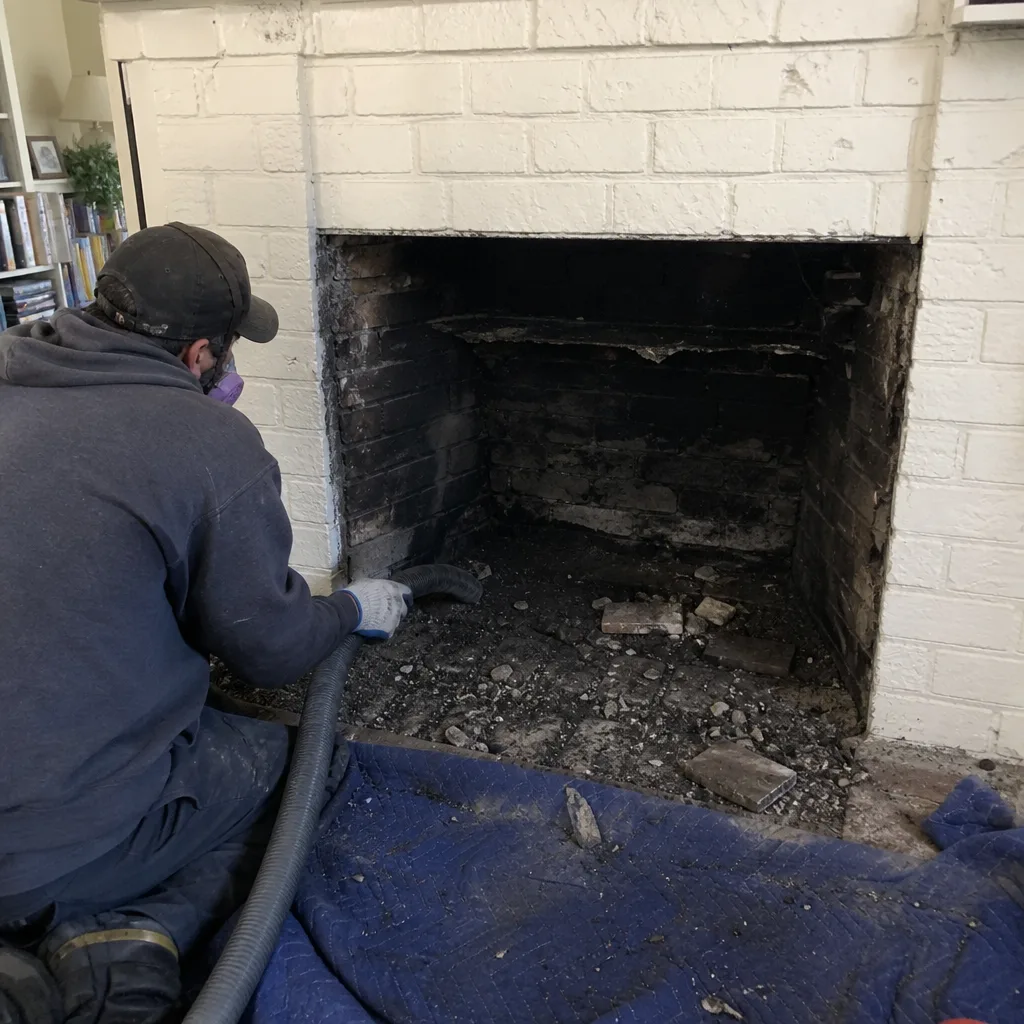 Before
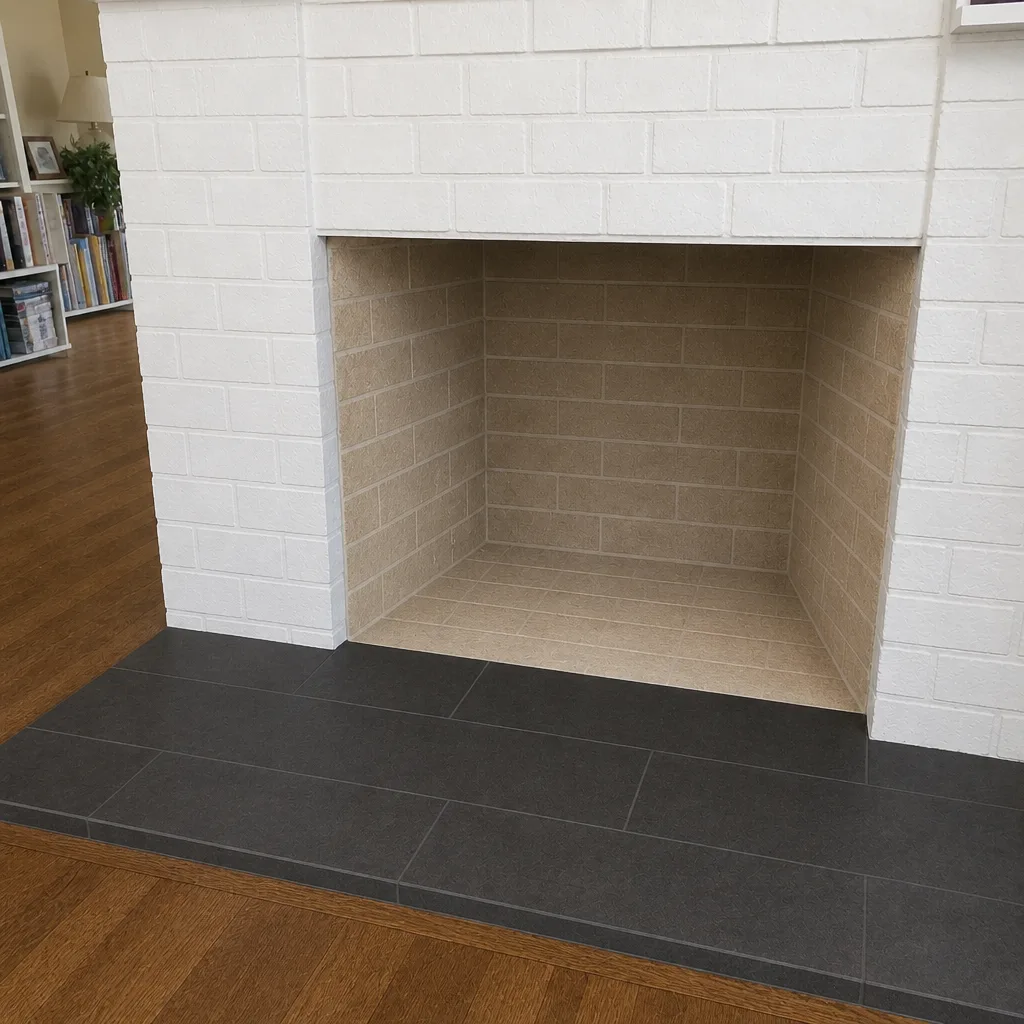 After
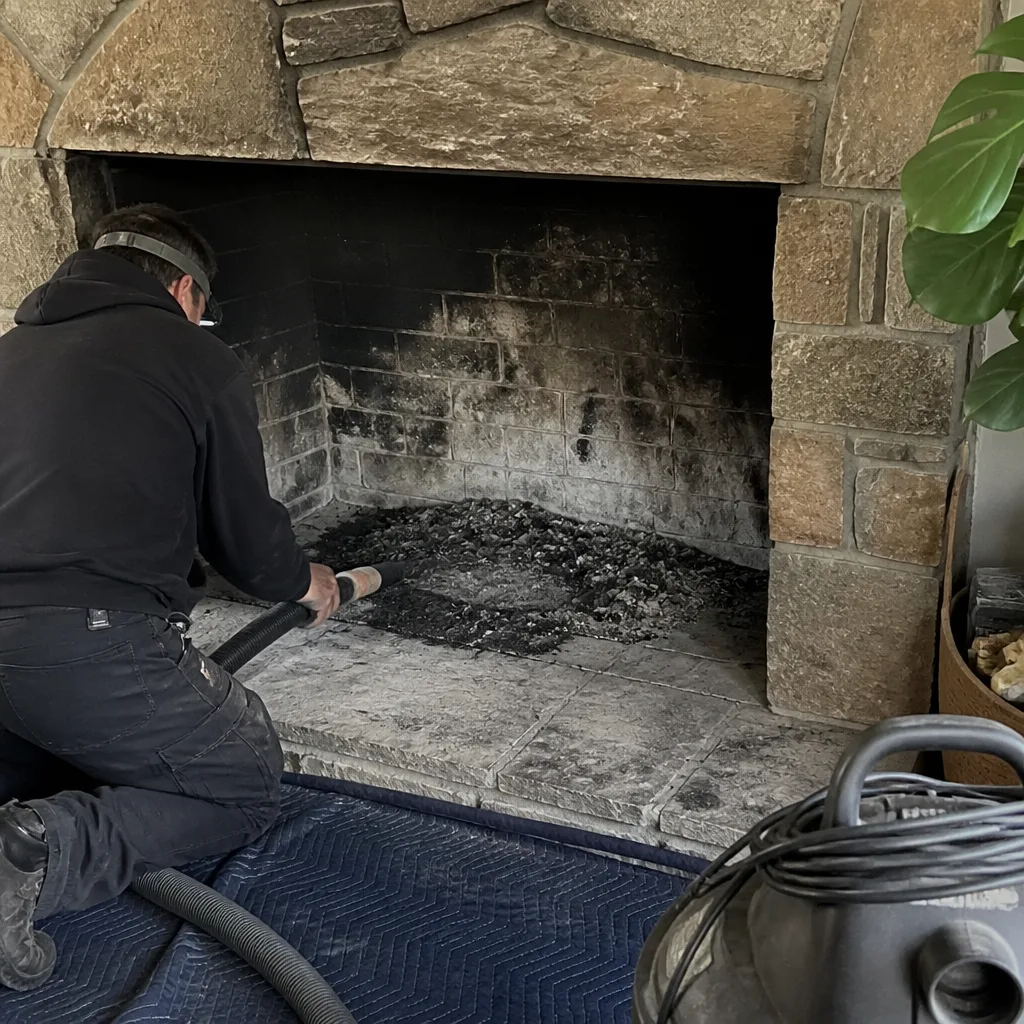 Before
 After
 Before
 After
How Black Rock’s Climate and Housing Stock Affect Chimney Condition
Western New York winters are hard on masonry. The freeze-thaw cycle – water soaking into brick and mortar, then expanding as it freezes – is the mechanism behind most of the crown and exterior masonry damage we see on Black Rock chimneys. A hairline crown crack that’s cosmetic in July becomes a channel for water in January, and a few winters of that can turn into liner damage. That’s not a scare tactic; it’s how water and freeze-thaw work on masonry.
Black Rock’s housing stock adds a second factor. Many of the homes here predate current clearance and liner standards, and plenty of chimneys have been modified over the decades – a fireplace converted, a flue reconnected, an insert added. Each modification is a place where the system may or may not meet current code, and the only way to know is the inspection. Creosote buildup is the other local concern: a wood-burning fireplace used regularly through the heating season accumulates creosote, and glazed creosote – the hard, shiny third-degree stage – is the fuel for chimney fires. An annual sweep keeps that accumulation in check; an inspection tells you whether the flue behind it is sound.
The seasonal timing matters less than the sequence. Get the inspection and sweep done before the heating season starts, and you’ll have the information you need to plan any repair work before you’re relying on the fireplace. Chimney problems don’t get cheaper with time – a cracked crown today becomes a liner failure tomorrow.
Common Mistakes to Avoid
- Assuming all chimney work needs a permit – or that none does. Routine sweeping is maintenance and doesn’t require one. Relining and structural repair usually do. Getting this wrong in either direction costs you, whether it’s unnecessary paperwork or an unpermitted alteration on your record.
- Treating a sweep as an inspection. A technician who runs a brush and glances up the flue hasn’t performed an NFPA 211 inspection. You need a written report with the level identified, and for anything beyond a routine cleaning, a camera scan of the flue interior.
- Relining without asking about a permit. This is the biggest one in Black Rock. An unpermitted relining job can be classified as an unpermitted alteration at sale and can complicate an insurance claim. Ask before the work starts.
- Ignoring crown cracks through the winter. Freeze-thaw turns a small crown crack into water intrusion, which turns into liner damage. Addressing the crown early is the cheaper path.
- Accepting a repair quote you can’t verify. If a contractor tells you the liner has failed, ask to see the camera footage. A specialist will show you. If they won’t, that’s your answer.
- Skipping the inspection on a home purchase. A general home inspector looks at the visible chimney, not the flue interior. A Level 2 inspection before closing is how you find out what you’re actually buying.
- Losing the permit paperwork. Keep it with your closing documents. If you sell or file a claim, that record is what answers the question.
When to Call a Professional
Some chimney work is a judgment call. Some isn’t. Call a professional if you’ve never had the chimney inspected, if it’s been more than a year since the last sweep and you burn wood regularly, if you’ve noticed water staining on the ceiling or masonry near the chimney, if the firebox shows cracked or missing refractory panels, if you’re buying or selling a home in Black Rock, or if you’re planning any relining, firebox, or appliance work that will need a permit. Call us too if you’ve had an “inspection” that didn’t include a camera scan and you want a real answer. Chimney Sweep Black Rock offers free estimates in Black Rock – call (877) 792-7321.
Frequently Asked Questions
No. Chimney sweeping is classified as routine maintenance and doesn’t require a building permit in Black Rock or anywhere in Buffalo city limits. A permit becomes relevant when the work changes the chimney system itself – relining, firebox replacement, chase modification, or appliance replacement. If you’re planning anything beyond a cleaning, ask the permit office before work begins. Call (877) 792-7321 for an exact quote on an inspection – estimates are free.
A Level 1 inspection covers readily accessible portions of the chimney and is appropriate when nothing has changed and there’s no known problem. A Level 2 inspection is required when the system has changed – a new appliance, a relining job, or a property transfer – and includes access to all accessible portions plus a camera scan of the flue interior. Real estate transactions and insurance claims generally call for Level 2. Call (877) 792-7321 to book one – estimates are free.
It can complicate a claim. Policies contain language about unpermitted work and about the insured’s duty to maintain the property, and an adjuster reviewing a chimney fire claim will look at whether the liner or modifications were permitted and inspected. Whether a specific policy pays is a question for your insurer, but permit documentation is the record that answers the question in your favor. Call (877) 792-7321 for a documented inspection – estimates are free.
Once a year for a wood-burning fireplace in regular use, and more often if you burn frequently or notice heavy creosote buildup. The annual sweep is also the natural time for a Level 1 inspection, so you get both the cleaning and the condition report in one visit. Western New York’s heating season makes late summer or early fall the practical time to schedule. Call (877) 792-7321 for an exact quote – estimates are free.
You’ll have a clean flue and no information about its condition. A sweep removes creosote but doesn’t tell you whether the liner is cracked, the crown is failing, or the clearances are adequate. Those are the conditions that lead to chimney fires and carbon monoxide problems, and they’re exactly what an inspection is for. A clean chimney that’s structurally compromised is still a hazard. Call (877) 792-7321 to book an inspection – estimates are free.
Usually, yes. Retroactive permitting in Erie County goes through the City of Buffalo permit office and generally requires an inspection of the existing work plus corrections to bring it into compliance. It matters most before a sale or after a failed home inspection. The first step is always a documented Level 2 inspection to establish what’s actually installed. Call (877) 792-7321 for an exact quote – estimates are free.
No. A chimney cap is an accessory, not a structural component, and installing or replacing one doesn’t require a permit in Black Rock. Caps are worth installing anyway – they keep rain, animals, and debris out of the flue, and they’re one of the simplest ways to protect the liner from water intrusion over the winter. Call (877) 792-7321 for an estimate – estimates are free.
The Bottom Line
The permit question comes down to maintenance versus construction. Sweeping, capping, and minor repointing are maintenance and don’t require a permit. Relining, firebox rebuilding, crown reconstruction, and appliance replacement usually do, and in Black Rock – inside Buffalo city limits – the City of Buffalo permit office is the authority you deal with. An NFPA 211 inspection is what tells you which category your chimney is in, and a camera scan is what makes that inspection trustworthy. If you take one thing from this guide, take the sequence: inspect first, see the evidence, then decide on repairs. That order protects you at sale, with your insurer, and through the heating season. We work with professional-grade materials from DuraFlex and HeatShield, cover the full system from flue to crown, and handle inspection and repair under one roof so no one can point at the other contractor. Call (877) 792-7321 for a free estimate. We answer 24/7. Fast dispatch from 7am to 7pm, Sunday through Friday.
Start with a documented inspection of your Chimney Sweep Black Rock chimney system before you commit to any repair scope. If you’re weighing repair options, our chimney repair process always begins with the camera evidence, and cap and crown work is scoped separately so you know what’s maintenance and what needs a permit.
Written by the team at Chimney Sweep Black Rock.